























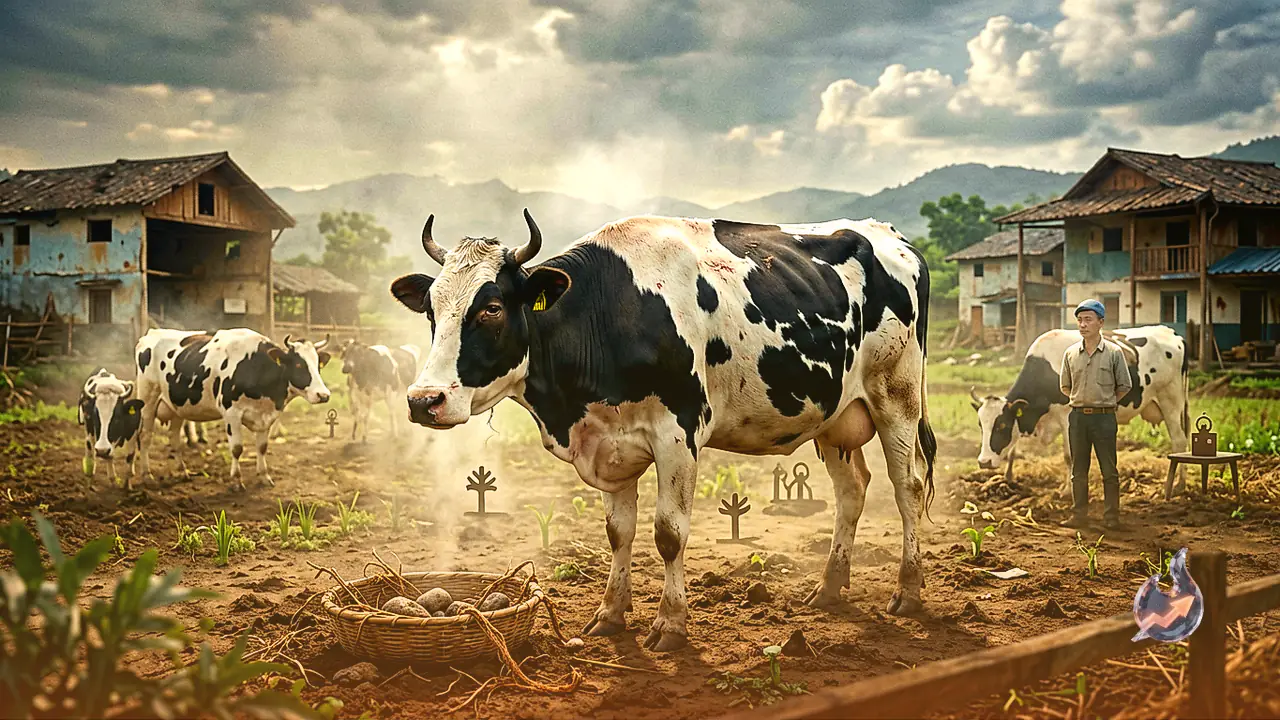

In Lakhimpur Kheri and surrounding rural regions of Uttar Pradesh, livestock rearing forms an essential foundation for farmers seeking supplementary income. However, the arrival of the monsoon and shifting weather patterns bring a heightened risk of various infectious diseases among dairy animals. Among these health challenges, mastitis—locally known as Thanaila disease—stands out as a critical threat to cattle and buffaloes. This bacterial infection directly targets the animal's udder and teats, severely impairing both the quality and overall yield of milk produced.
Early Warning Signs and Impacts on Milk Production
Mastitis is primarily characterized by inflammation and infection within the udder tissue. As the condition develops, one or more quarters of the udder exhibit noticeable swelling, unnatural heat, and intense pain. Farmers often notice that the affected animal becomes restless and resists milking, frequently attempting to kick due to the severe discomfort in its teats. Alongside physical discomfort, the physical properties of the milk undergo distinct changes, including alterations in color, texture, or the presence of clots.
If the early symptoms are overlooked and timely medical intervention is not provided, the animal's milk-producing capacity can suffer permanent damage. Severe cases of mastitis can cause a drastic drop in milk production, ranging from 50 percent to a complete 100 percent loss. Beyond the immediate loss of daily milk revenue, prolonged treatment requires extensive veterinary care and medication, placing a heavy financial burden on rural households.
Primary Causes and Environmental Risk Factors
The infection is predominantly bacterial in nature, gaining entry into the animal's system through the teat canal. During the rainy season, cattle sheds frequently suffer from waterlogging, mud, and excessive moisture, creating ideal breeding conditions for harmful bacteria and micro-organisms. Cramped sheds that lack adequate ventilation and sunlight further compound the danger of rapid bacterial proliferation.
Substandard hygiene practices significantly escalate the risk of infection. Factors such as dirty flooring, contaminated water supplies, unwashed hands, and poorly sanitized milking equipment all serve as vectors for disease transmission. Crucially, after the milking process is completed, the teat sphincters remain open for approximately 30 to 40 minutes. If the animal immediately lies down on a dirty or damp floor, ground-dwelling bacteria can easily migrate through the open teats into the udder, leading to severe infection.
Effective Prevention Strategies and Shed Management
Preventive care remains far more effective than trying to cure an advanced infection. Proper management of the livestock shed is the single most reliable defense against mastitis. Cattle owners are advised to keep shed premises thoroughly clean, dry, and well-ventilated at all times. Periodically dusting the floor with lime helps neutralize moisture and eliminate harmful bacterial colonies effectively.
To prevent post-milking contamination, farmers must ensure that animals do not lie down for at least 40 minutes after being milked. A highly practical technique is to offer fresh green fodder or grain feed immediately following milking. As the animal stays upright to feed, the teat orifices close naturally over time, blocking the entry route for environmental bacteria. Additionally, maintaining strict hygiene before and after milking is essential, and farmers should consult a qualified veterinarian at the first sign of udder swelling or distress.