




















Potatoes are a staple ingredient in everyday cooking, yet consumers frequently face the frustration of buying potatoes that look perfectly fine in the store but taste unexpectedly sweet once cooked. This unwanted sweetness can alter the intended flavor profile of savory dishes and curries. Fortunately, identifying whether a potato has turned sweet does not require complex tools. According to Dr. Vinod Prakash, in-charge of the Krishi Vigyan Kendra in Firozabad, Uttar Pradesh, shoppers can easily spot non-sweet varieties right at the vegetable market by inspecting a few visible physical traits.
Potato Production and Variety Diversity in Firozabad
Firozabad in Uttar Pradesh is a major center for potato cultivation. Local farmers grow several distinct varieties of potatoes across their fields, each differing significantly in taste, starch behavior, and post-harvest quality. These diverse varieties eventually reach local vegetable wholesale and retail markets. Shoppers often get misled by clean, glossy-looking produce displayed by vendors, only to discover later that the cooked dish has an oversweet taste. Agricultural experts emphasize that taking a few extra moments to examine the variety can save consumers from disappointing meals.
Identifying Sweetness Through Skin Color and Surface Texture
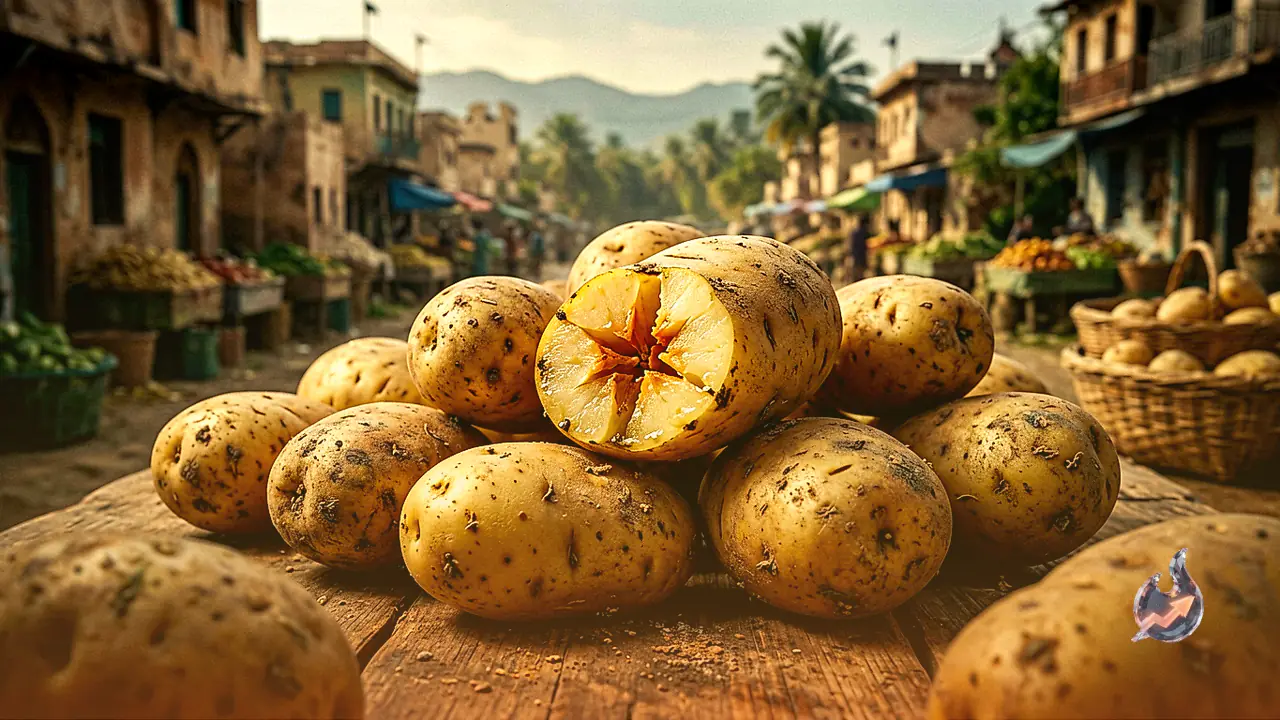
Agricultural scientist Dr. Vinod Prakash highlights that markets primarily stock two main categories based on outer appearance: red-skinned potatoes and white-skinned potatoes. The skin color and surface finish provide strong hints about potential sweetness. Red-skinned potatoes carry a higher likelihood of developing a sweet taste over time during storage. On the other hand, white potatoes that feature a rough outer skin and an elongated shape are relatively less sweet. Therefore, when purchasing potatoes for savory recipes, choosing long, white-skinned tubers with a rough texture is far safer than opting for smooth, rounded red ones.
Pulp Characteristics and Internal Texture Differences
Beyond the outer skin, the internal pulp of different potato varieties displays clear structural differences. Red potatoes generally exhibit higher stickiness and moisture retention within their flesh. Conversely, white-skinned potatoes possess lower pulp stickiness and a firmer internal texture. Higher stickiness is frequently associated with elevated sugar conversion within the tuber. Recognizing these pulp characteristics helps consumers distinguish between cooking varieties suitable for boiling versus those best suited for regular savory cooking.
Look Beyond Surface Shine for Smarter Grocery Shopping
Vegetable vendors often clean and polish potatoes to make them visually appealing on display counters. Dr. Vinod Prakash advises consumers not to fall for surface shine alone. Instead of buying solely based on how bright or smooth a potato looks, shoppers should evaluate the complete combination of color, peel roughness, overall shape, and pulp composition. Following these simple expert tips ensures you bring home the right potatoes for your daily culinary needs.