




















Widespread outrage erupted across India among students and candidates following allegations of malpractices and paper leaks in the National Eligibility cum Entrance Test (NEET-UG). Attempting to address the anxieties of affected students, Prime Minister Narendra Modi shared a detailed video message on social media outlining the government's strict actions against those responsible. However, what was intended as a reassuring national address soon morphed into a major political and technological controversy when Facebook temporarily removed PM Narendra Modi's verified video from its platform. Facing intense scrutiny from the Indian government over the unexpected restriction, social media giant Meta had to step in. Meta's Chief Global Affairs Officer Joel Kaplan subsequently held a high-level meeting with Union Information and Technology Minister Ashwini Vaishnaw in New Delhi and tendered an official apology.
The Temporary Removal Of PM Narendra Modi's Facebook Video
On 23 July 2026, Prime Minister Narendra Modi published a video addressing students and Gen Z on Facebook. In his address, PM Narendra Modi reassured millions of examination candidates across the nation that strict legislative and law enforcement actions were being executed to eliminate paper leak networks and safeguard the integrity of competitive exams. However, shortly after its release, the video abruptly vanished from the platform.
The removal sparked widespread concern among users and media outlets as the video remained completely inaccessible on the Prime Minister's verified handle for nearly 5 to 6 hours. Meta initially offered no immediate public explanation or notice regarding why the content had been restricted. The restriction of content published by the head of government on a verified account raised severe questions about platform governance, transparency, and moderation policies, throwing Meta into the center of a major public debate.
Central Government Intervention And Joel Kaplan's Apology
The Central Government reacted strongly to the removal of the Prime Minister's video. The Ministry of Electronics and Information Technology immediately sought an explanation from Meta's global leadership, emphasizing that arbitrary content censorship or restrictions applied to verified constitutional authorities without clear rationale were unacceptable.
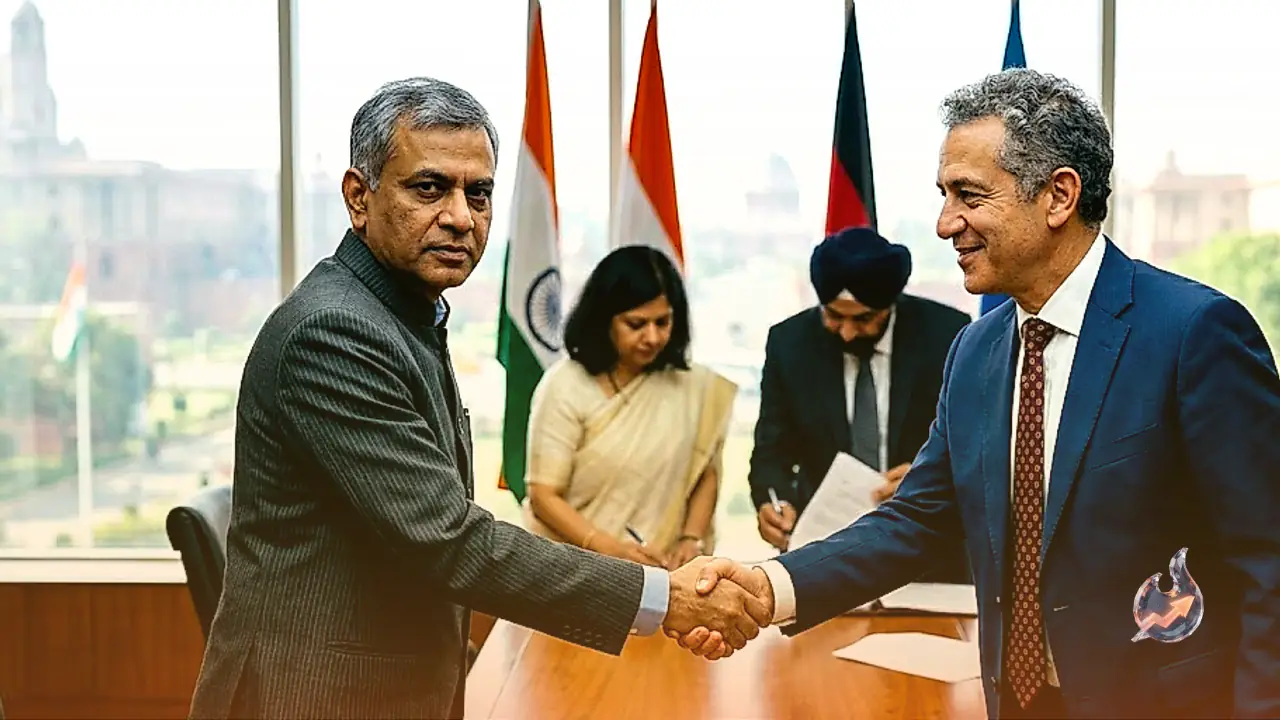
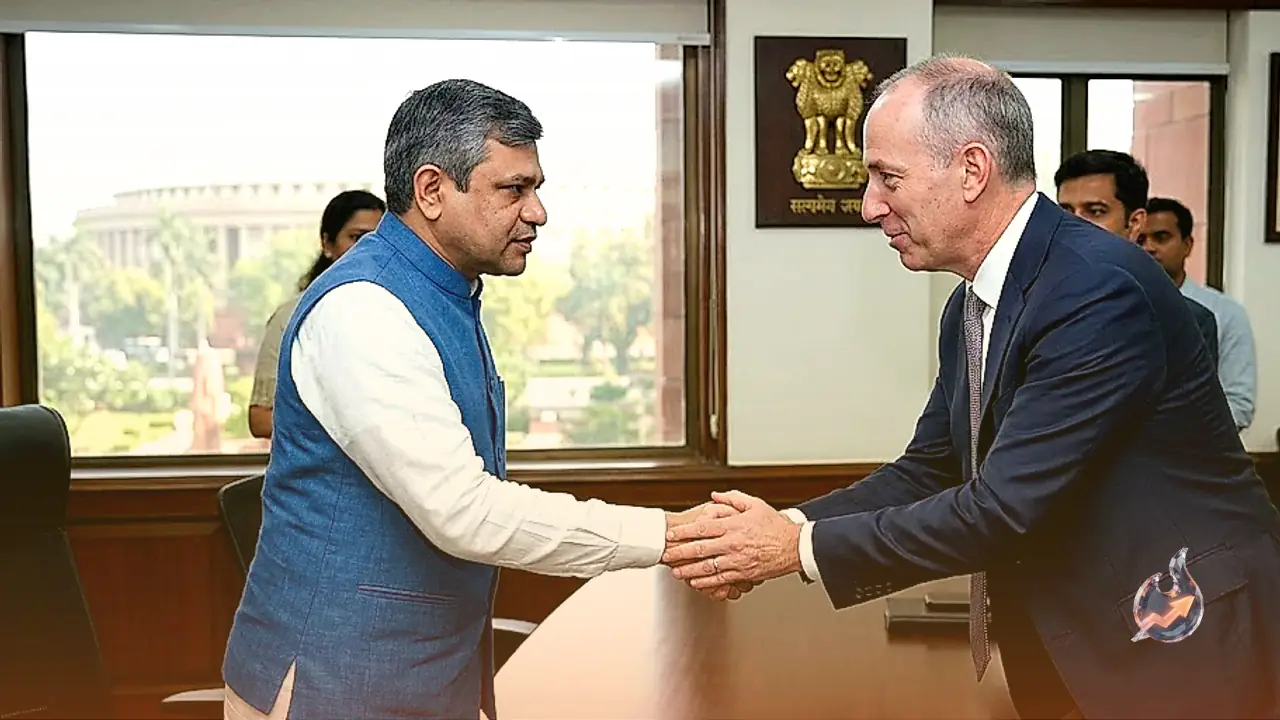
Responding to the government's summons, Meta's Chief Global Affairs Officer Joel Kaplan arrived in New Delhi for an urgent meeting with IT Minister Ashwini Vaishnaw. During the deliberation, Kaplan presented an unconditional apology on behalf of the company, clarifying that the content removal was neither intentional nor driven by political censorship, but was entirely the outcome of an internal operational error.
Following his meeting at the IT Ministry, Joel Kaplan stated, “I apologized on behalf of Meta to the minister for the error in placing a restriction on Prime Minister Narendra Modi's post.” Meta formally confirmed that the short-lived restriction imposed on the Prime Minister's post the previous month was caused by an operational glitch. Following Meta's official admission and technical remediation, the video was restored to its original status on Facebook.
The NEET-UG Paper Leak Controversy And Jantar Mantar Agitation
The wider context surrounding Meta's controversy stems directly from intense student agitations against the NEET-UG examination leaks. Outraged by reports of compromised question papers, thousands of students and youth gathered at New Delhi's historical Jantar Mantar under the leadership of the Cockroach Janta Party. Demonstrators demanded swift arrests of key operatives behind the leak and structural reforms in national testing agencies.
Tensions escalated significantly on 20 July when large groups of protesting students attempted to march towards Parliament. Security personnel deployed barricades to restrict the march, leading to intense confrontations. Protesters alleged that security forces resorted to using pellet guns to disperse the crowd, though administrative authorities firmly denied those claims. Ultimately, multi-round talks between protest representatives and government officials brought the Jantar Mantar sit-in to an end.
In response to the public outcry, the government introduced and successfully passed the Anti-Paper Leak Amendment Bill in Parliament, establishing stringent penalties for examination malpractices. Furthermore, law enforcement agencies arrested several key suspects implicated in the racket. The scale of the student protests also led to political fallout, resulting in the resignation of then Education Minister Dharmendra Pradhan.
Role Of Social Media And Messaging Apps In Mass Mobilization
The events at Jantar Mantar underscored how digital communications and messaging platforms are increasingly utilized to mobilize mass public demonstrations. To organize the protest march in New Delhi, organizers extensively relied on the WhatsApp messaging application to coordinate with student groups across various Indian states, disseminating logistics for the 20 July Parliament march within hours.
Across the globe, social networking platforms have evolved beyond mere communication tools into central instruments for political mobilization. In recent months, countries in South Asia such as Bangladesh, Nepal, and Sri Lanka witnessed massive public demonstrations driven by social media coordination. In Nepal and Bangladesh, social media-fueled mass movements ultimately forced the political leadership of the day to step down from power. Consequently, online digital coordination during the Jantar Mantar protests remained under close regulatory and government oversight.