
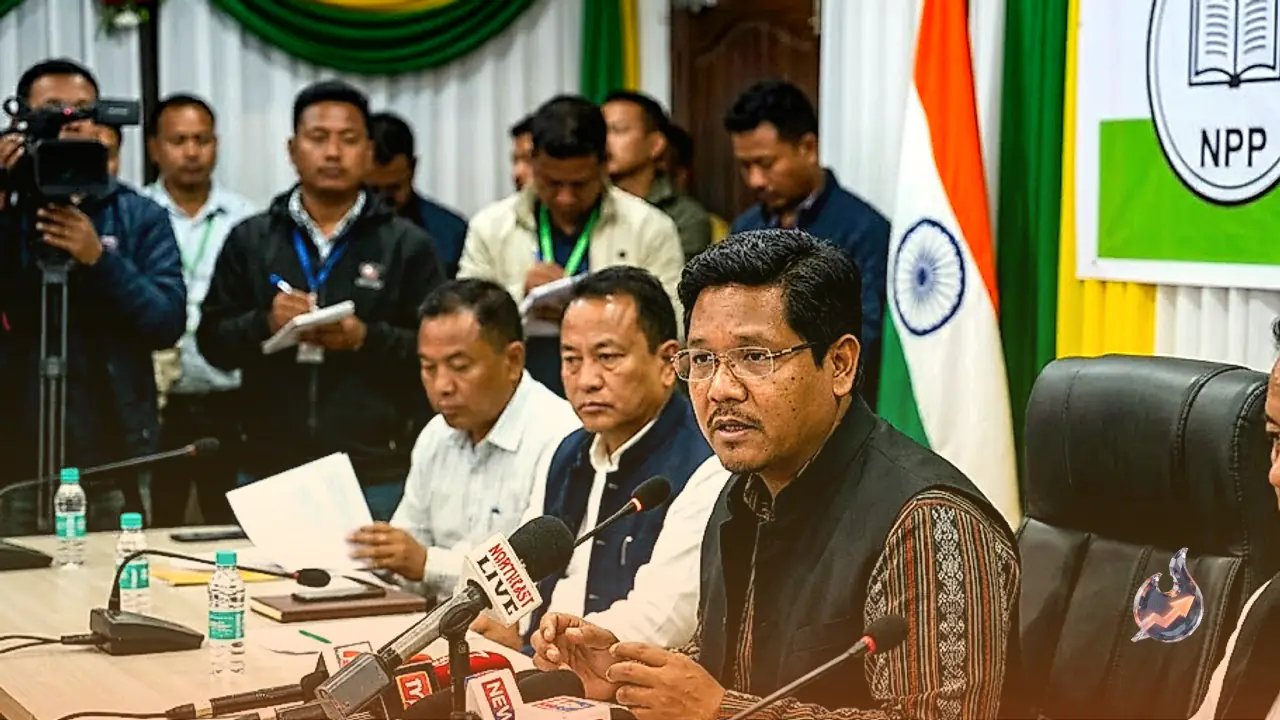















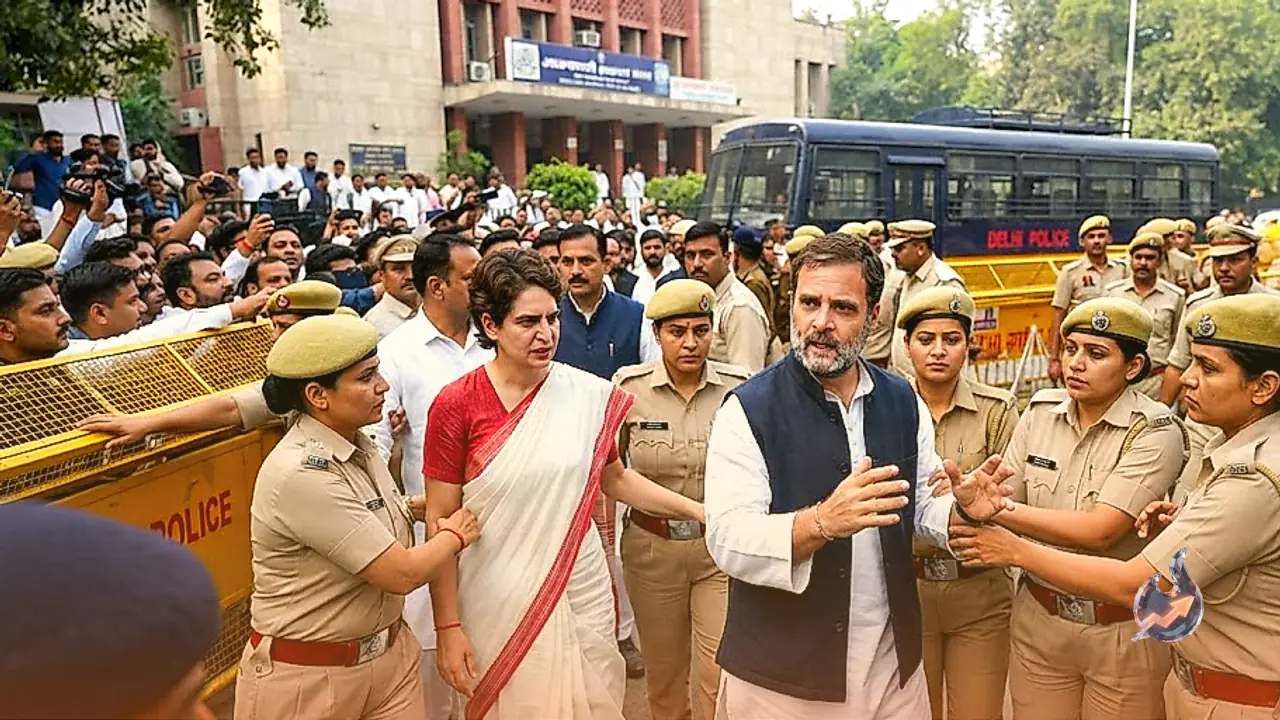

Official verification authorities in New Delhi have firmly rejected swirling social media claims suggesting that the Union Home Ministry reached out to Congress leaders Rahul Gandhi and Priyanka Gandhi Vadra to negotiate an end to their protest near Akashvani Bhavan. The Press Information Bureau Fact Check unit categorized the viral messages as completely misleading, urging citizens and digital platforms to rely exclusively on confirmed, verified channels rather than circulating unfounded speculation.
The debunked social media narratives had alleged that ministerial representatives initiated contact with the demonstrating politicians to resolve the standoff. Those unverified posts further claimed that opposition figures rebuffed the overture, insisting that their sit-in would persist until the Election Commission granted them an in-person audience. Addressing the matter directly on social media platform X, official monitors stated that no such interaction took place, warning the public against accepting fabricated updates.
March Towards Nirvachan Sadan Halted Near Akashvani Bhavan
The confrontation unfolded as members of the INDIA bloc intensified their agitation regarding the Special Intensive Revision (SIR) of electoral rolls across the country. Opposition parties alleged that the poll body had repeatedly refused them an opportunity to meet the election commissioners to seek clarifications on crucial questions surrounding the revision process. Leaders and members of parliament organized a march toward Nirvachan Sadan, but law enforcement intercepted the rally along the route, preventing them from reaching the commission's headquarters.
Stalled by barricades, several parliamentarians and senior figures sat on the road outside Akashvani Bhavan to register their dissent under the banner of the Save Democracy movement. As the standoff escalated, Delhi Police moved in to detain key opposition figures, including Rahul Gandhi and Priyanka Gandhi Vadra. Law enforcement also took several youth leaders into custody outside the building, among them Indian Youth Congress president Uday Bhanu Chib alongside members of the National Students' Union of India.
Opposition Sought Answers from Chief Election Commissioner: Rahul Gandhi
Speaking from the protest venue before being taken into custody, Rahul Gandhi mounted a sharp critique of the administration and the poll panel's posture. He highlighted that roughly 300 opposition lawmakers had been blocked and cleared from their planned route, forcing them to stage an impromptu sit-in on the street. Gandhi asserted that the delegation merely sought a constructive dialogue with Chief Election Commissioner Gyanesh Kumar and the other election commissioners to resolve mounting queries about nationwide electoral roll revisions.
Targeting the central leadership and Chief Election Commissioner Gyanesh Kumar, Gandhi alleged that concerted efforts are underway to weaken the democratic structure and compromise the integrity of the voting process. He accused Prime Minister Narendra Modi and Home Minister Amit Shah of attempting to monopolize state machinery, emphasizing that the opposition's actions were aimed at protecting the Indian Constitution. Gandhi also posed a direct question to the deployed police officers, asking where lawmakers are permitted to peacefully assemble and voice grievances if they are continually barred from speaking in public spaces.
Kiren Rijiju Counters Opposition Agitation
The central government responded firmly through Union Minister of Parliamentary Affairs Kiren Rijiju, who strongly criticized the posture adopted by Rahul Gandhi and the Congress leadership. Rijiju remarked that launching persistent attacks against independent constitutional bodies will neither serve the interests of Indian democracy nor help the opposition regain public trust.
Rijiju called upon the Congress leadership to abandon what he termed persistent public theatrics targeting institutions like the Supreme Court and the Election Commission. He urged opposition politicians to refocus their energies on constructive public welfare, maintaining that genuine political goodwill in a democratic framework is earned through dedicated grassroots work among citizens rather than confrontational demonstrations against institutions.