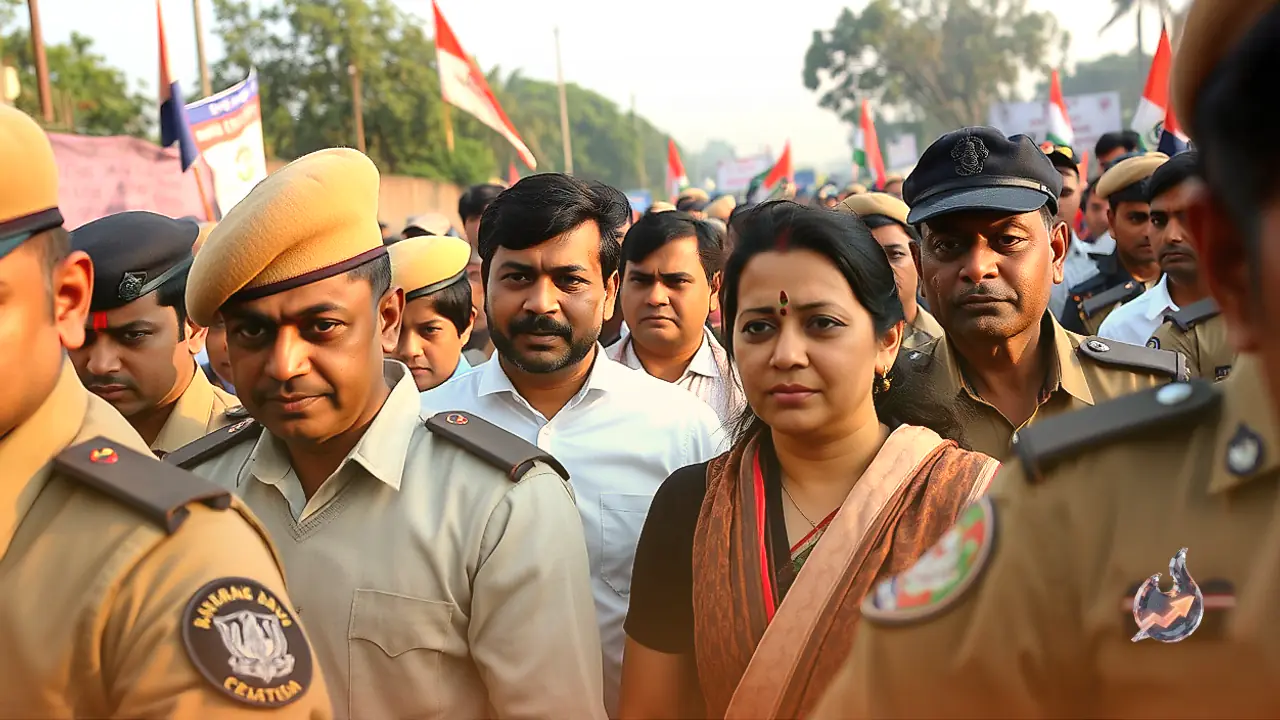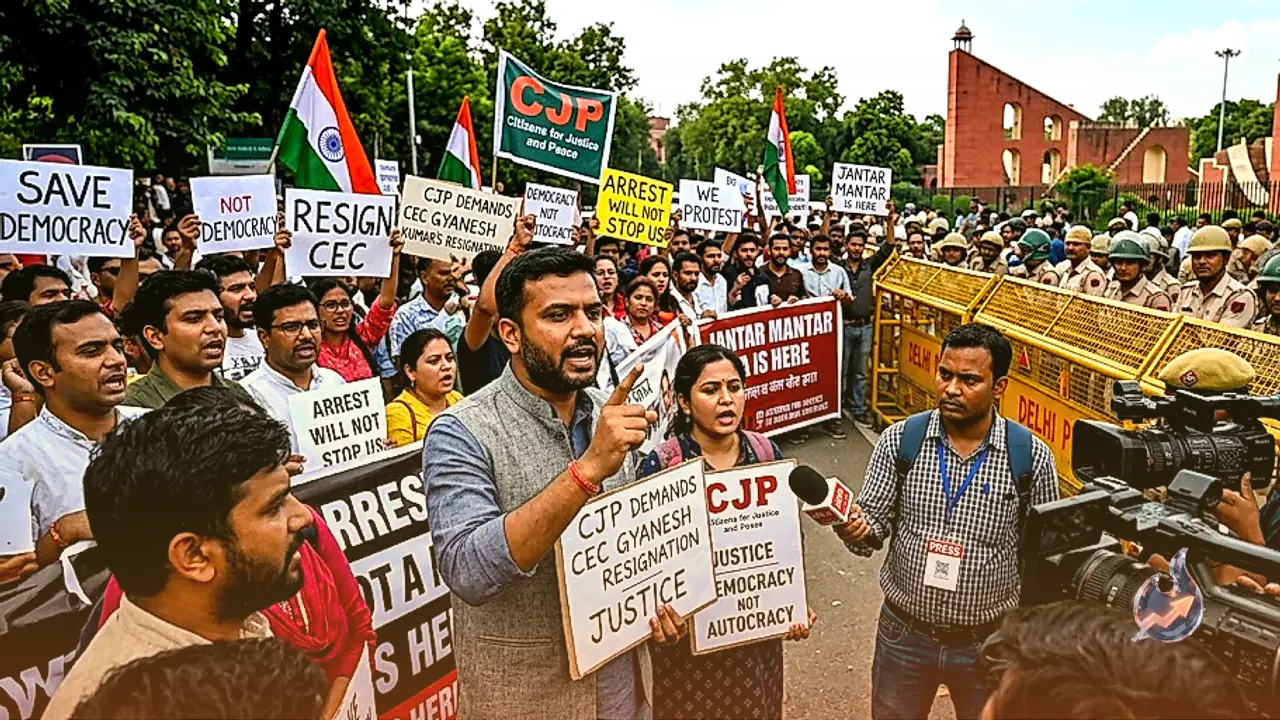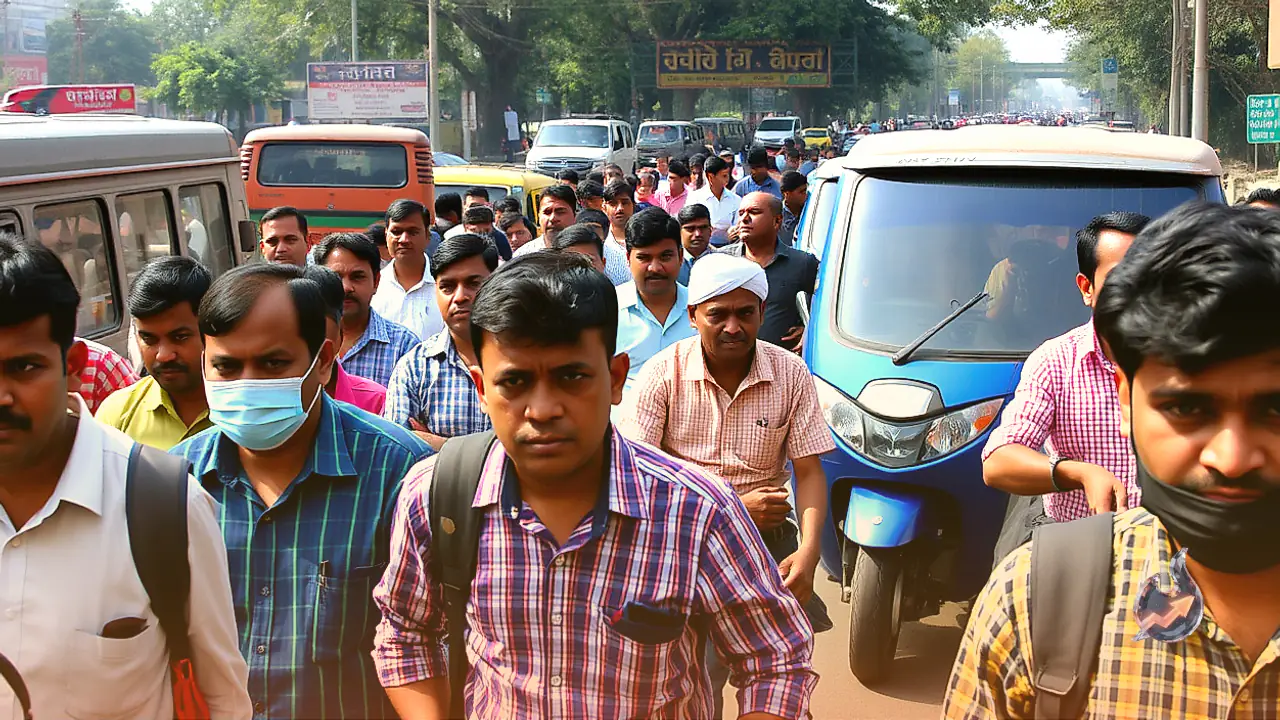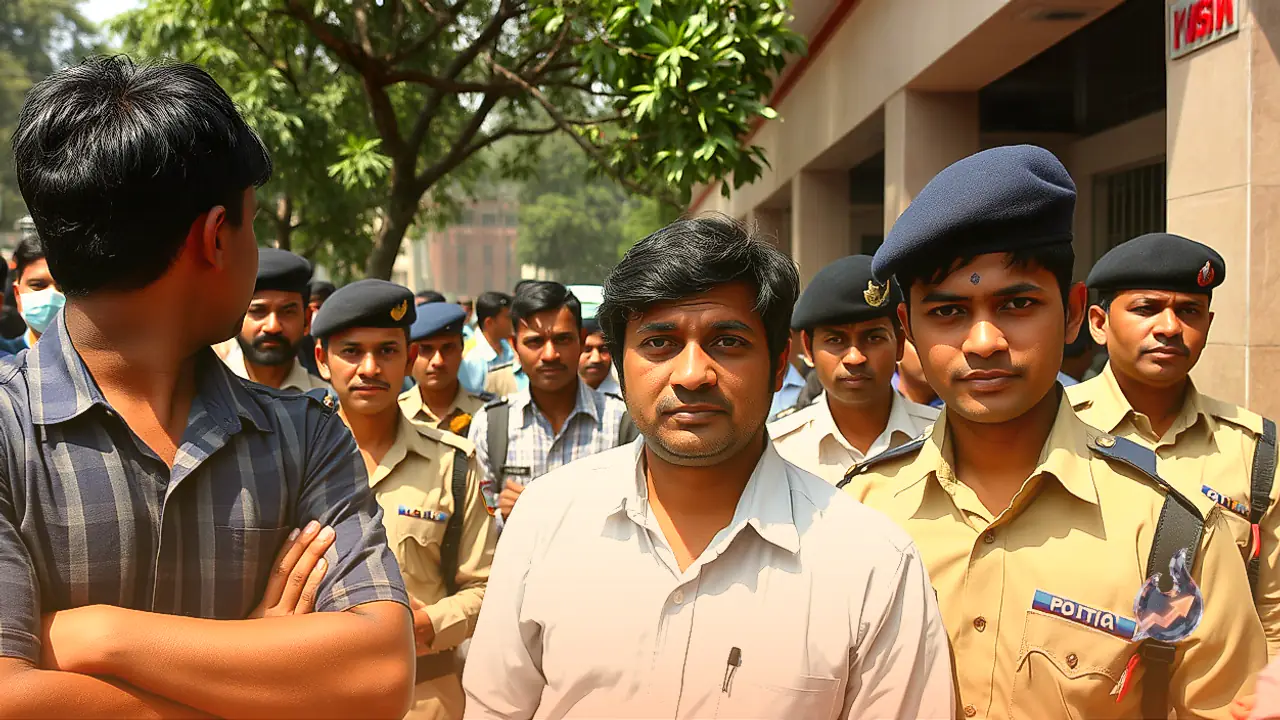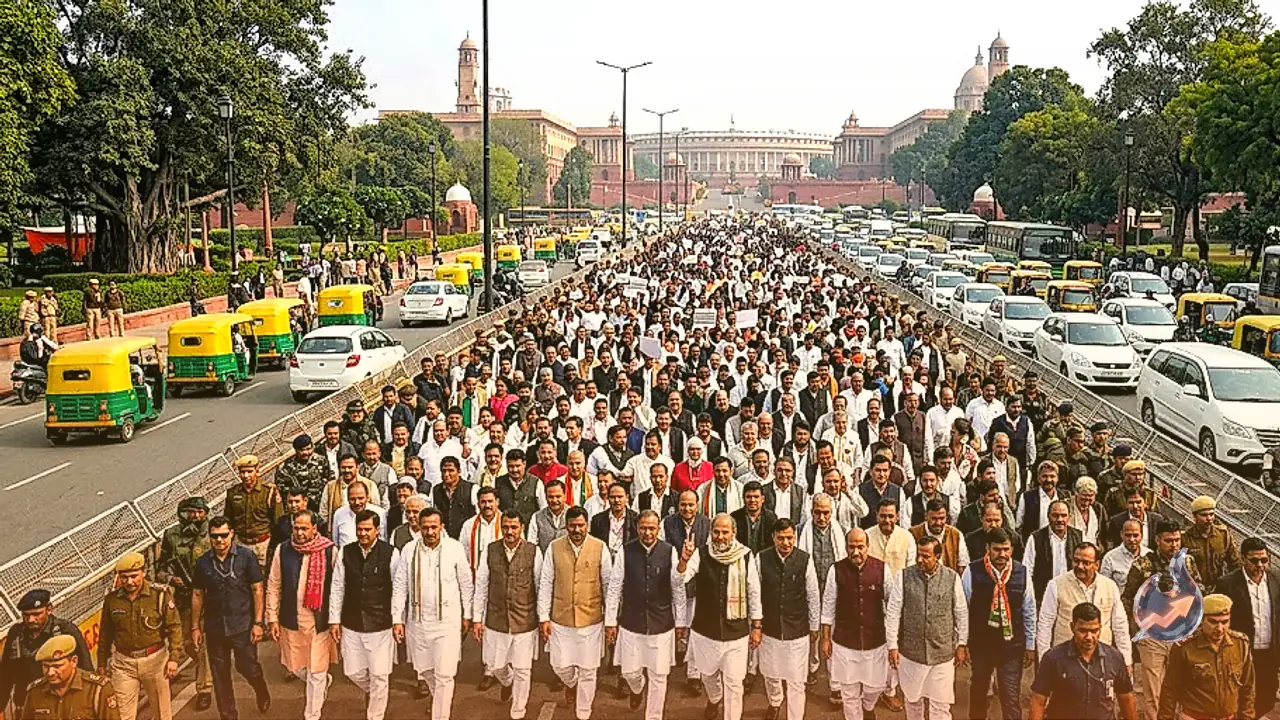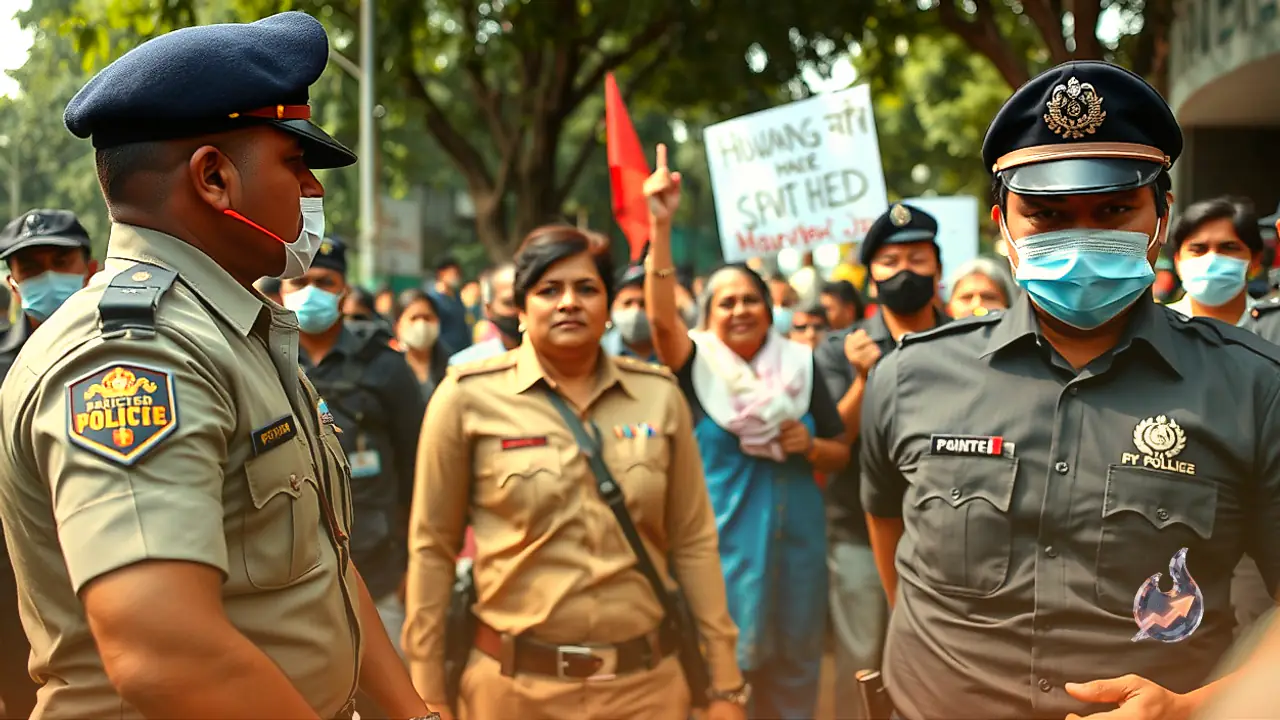


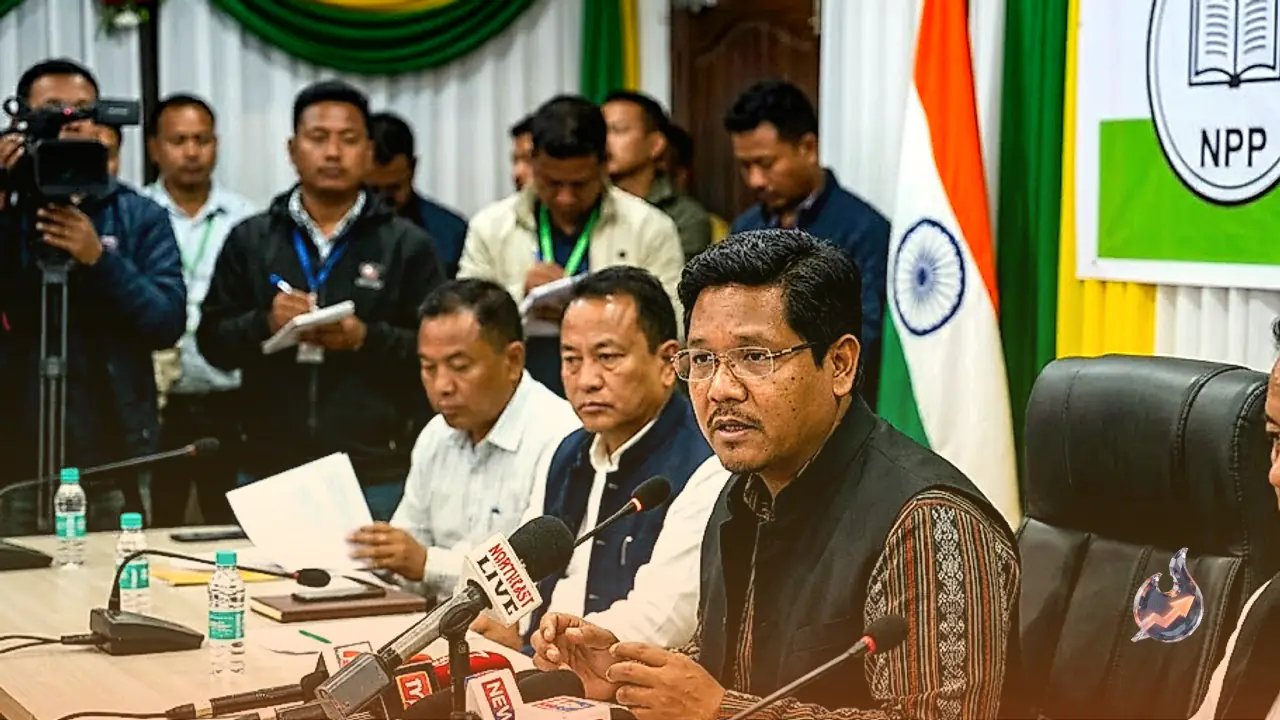

















A high-voltage political demonstration in the national capital culminated in police detentions and an official clarification from the Election Commission of India regarding protocol guidelines. Leaders representing the opposition alliance launched a march along Parliament Street toward the poll agency headquarters, only to be stopped by police barricades near Akashvani Bhawan where they subsequently staged a sit-in. The confrontation eventually led to Delhi Police detaining several lawmakers, including Leader of Opposition in the Lok Sabha Rahul Gandhi and Congress General Secretary Priyanka Gandhi Vadra. Against the backdrop of these developments, the election authority released a comprehensive statement detailing how the proposed meeting unfolded from an administrative standpoint.
Late Notification and Absence of Direct Request
According to the regulatory body, while initial information about lawmakers wanting to submit a representation circulated through media broadcasts during the afternoon demonstration, no political party had actually submitted a direct request for an appointment through official representatives up until 4 pm on Tuesday. It was only around that hour that Delhi Police formally alerted the election office that a delegation headed by Rahul Gandhi intended to meet officials and deliver a memorandum. The authority pointed out that direct coordination had been absent during the earlier hours of the mobilization.
Established Framework Introduced in 2025
The commission emphasized that interactions with political groupings are governed by a formal procedure established in 2025. This structured protocol was communicated to all political outfits to ensure uniformity, and organizations typically adhere to it when seeking discussions. Under this mechanism, any single party delegation or joint coalition team must submit a request via an authorized representative well in advance. Following this formal application, both sides finalize a mutually suitable date and time based on schedule availability, ensuring systematic dialogue rather than unscheduled gatherings.
The Annexe Venue and 240-Member Group Request
While the poll body was examining the police communication post-4 pm, a Delhi Police DCP conveyed additional parameters of the requested interaction. The opposition sought an engagement involving a massive group of 240 parliamentarians, with the proposed venue designated as Parliament House Annexe rather than the election agency headquarters. The commission deemed the combination of an outside venue and an extraordinarily large contingent to be an unusual demand that deviated from standard practice, noting that institutional conventions mandate holding such formal delegations strictly within its own premises.
Rejection of Senior Official Delegation Compromise
To bridge the operational gap without compromising the safety or institutional norms, the election authority offered to dispatch its senior-most working administrative officer to collect the memorandum directly from the parliamentarians. While the commission viewed this concession as an unprecedented accommodation on its part, the delegation turned down the compromise. Concluding its statement, the body affirmed its deep regard for democratic procedures and parliamentary authority, while maintaining that internal decorum and procedural rules must be preserved. It reiterated that political entities remain welcome to request meetings through proper channels at any convenient time.