






















It is common in many households to hear children complain about having nothing to do and feeling restless throughout the day. In response to these constant remarks, parents often resort to handing over a smartphone or turning on the television to quickly keep them occupied. While screens do offer an immediate distraction, making digital entertainment the default fix can significantly reduce a child's natural drive to explore activities independently. Over time, relying on digital devices prevents them from learning how to navigate downtime on their own.
Offer Thoughtful Alternatives Instead of Direct Screen Access
Whenever a child mentions being unoccupied, dismissing their feelings is the least effective approach. A constructive first step is to actively listen and ask what kind of activity they might enjoy doing at that moment. Presenting two or three straightforward choices, such as drawing in a notebook or playing a favorite physical game, encourages active decision making. By offering simple choices rather than deciding every detail for them, parents allow their children to practice independence without feeling neglected or micromanaged.
Value Unstructured and Unscheduled Free Time
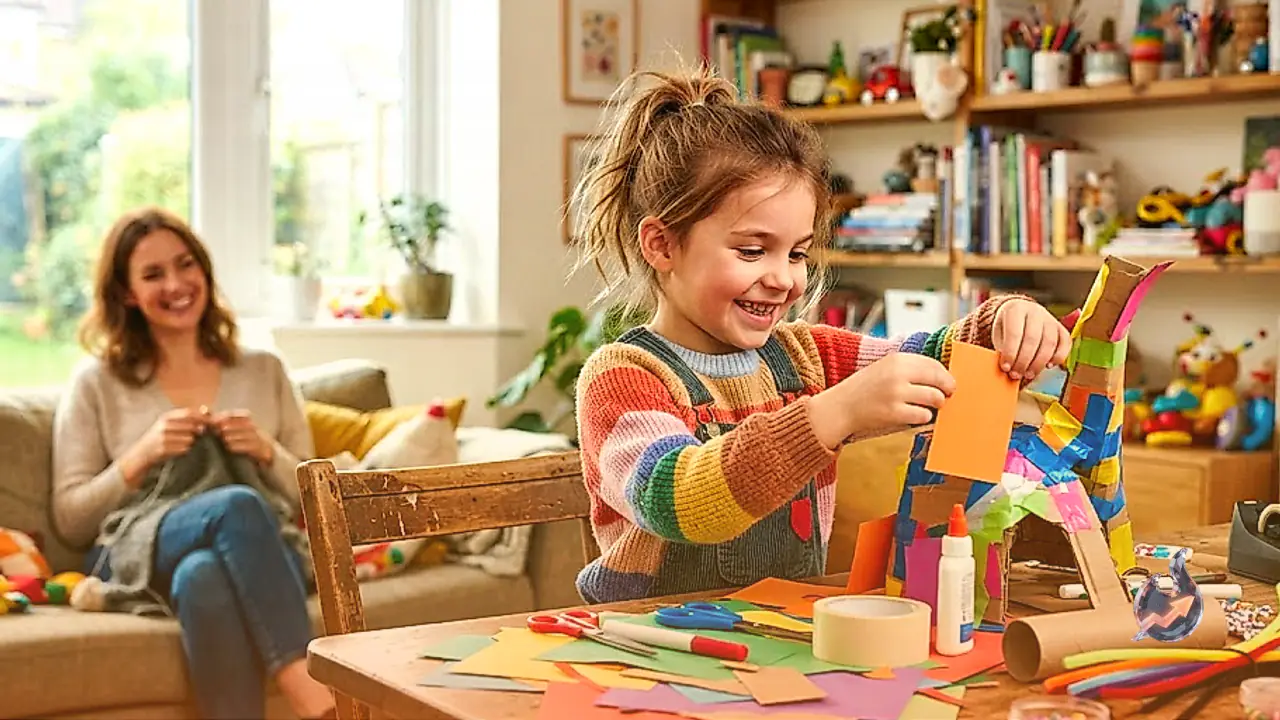
There is no need to pack every single hour of a child's schedule with structured routines or adult-led tasks. Leaving periods of the day entirely open allows young minds to wander, imagine, and innovate on their own terms. During these open blocks, children often invent imaginary games, craft stories, sketch freely, or discover creative uses for ordinary household items. Although they might initially repeat that they are idle, patience usually leads them toward discovering engaging pastimes without external intervention.
Set Up a Dedicated Activity Box at Home
Creating a simple offline activity container filled with engaging essentials can provide immediate options when restlessness strikes. Parents can pack this box with crayons, sketchpads, puzzles, storybooks, paper craft supplies, or compact board games. The next time a child expresses that they have nothing to do, guiding them toward this dedicated box instead of a digital gadget gives them direct access to tangible, hands-on tasks that naturally stimulate imagination.
Encourage Outdoor Play and Shared Indoor Games
Whenever the weather permits and outdoor spaces are accessible, spending time outside can transform a child's energy levels. Activities such as riding a bicycle, kicking a ball, playing at a neighborhood park, or taking a brisk walk inject healthy physical movement into their daily routine. On days when indoor activities are necessary, parents can join in with simple board games like ludo or carrom, or work together on puzzles that invite lively conversation and cooperative problem solving.
Empower Children to Manage Their Own Free Time
Experiencing boredom during childhood is not a setback, but an opportunity to build resourcefulness. It is during these empty stretches that children discover genuine interests and build the self-reliance needed to keep themselves entertained. When the familiar complaint arises, encouraging them to reflect and decide their own plan gives them ownership over their time. Gentle guidance remains helpful, but managing every minute of amusement should not fall strictly on mobile devices or parents.