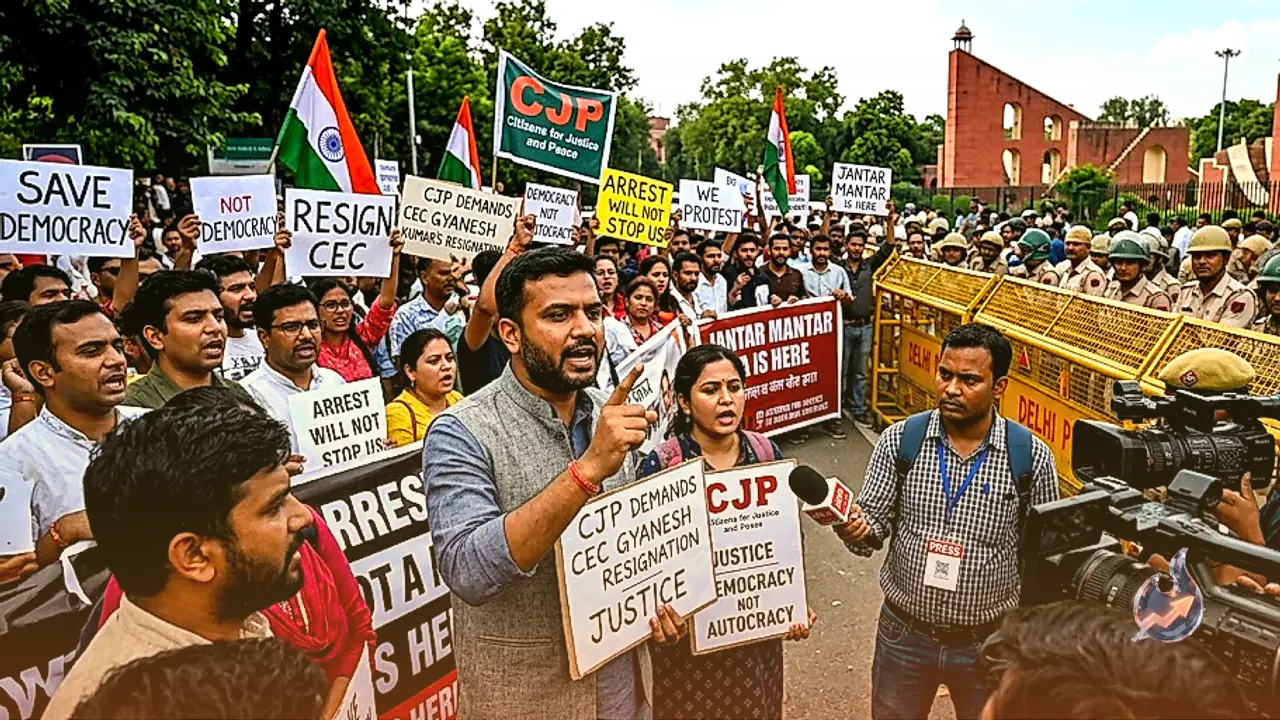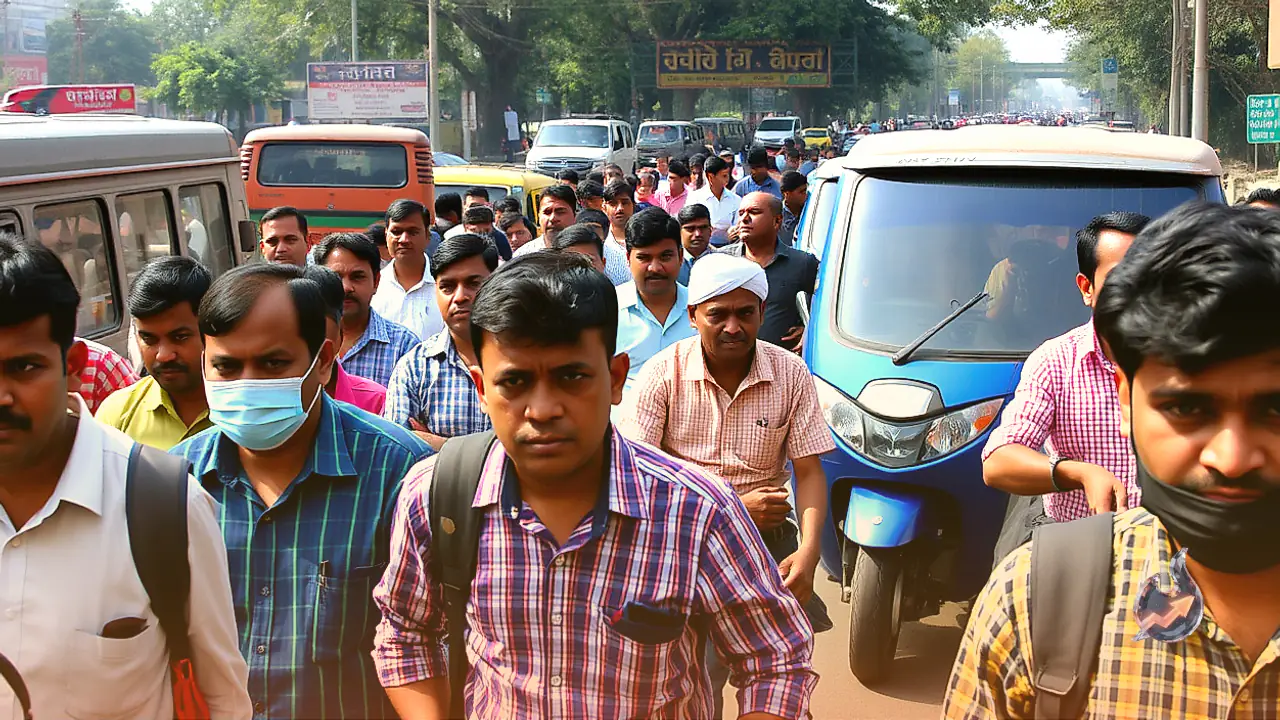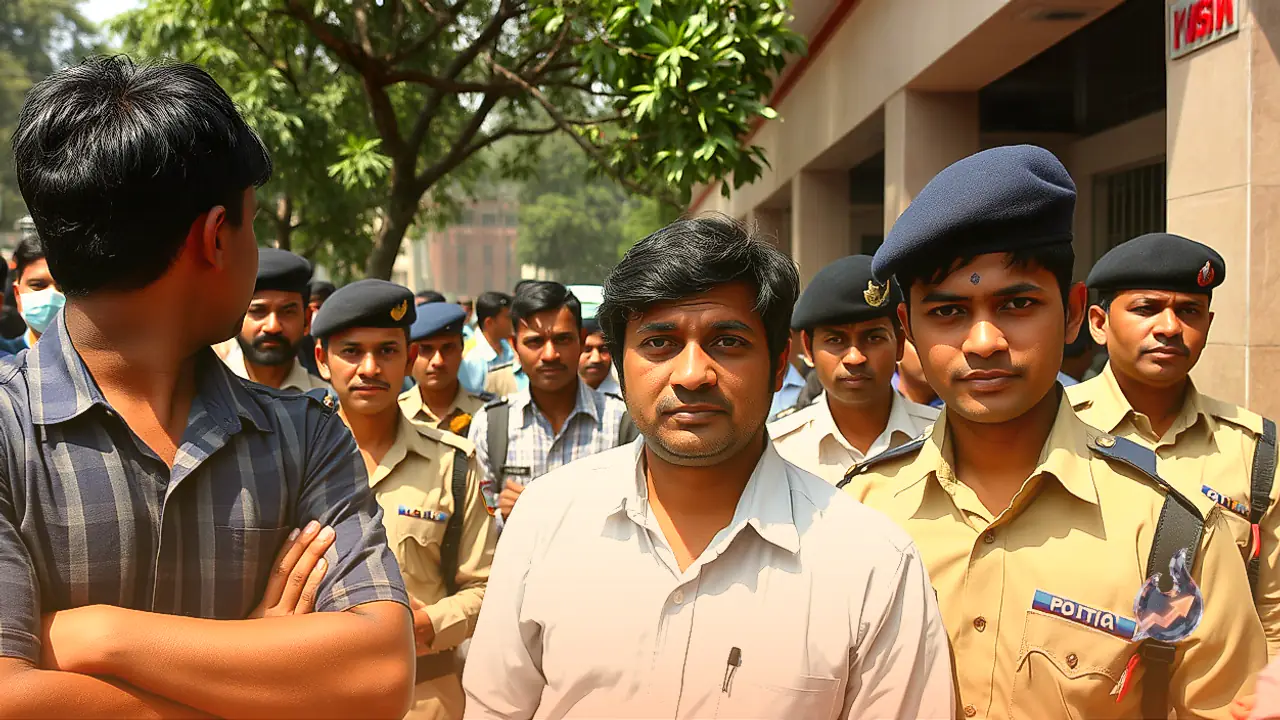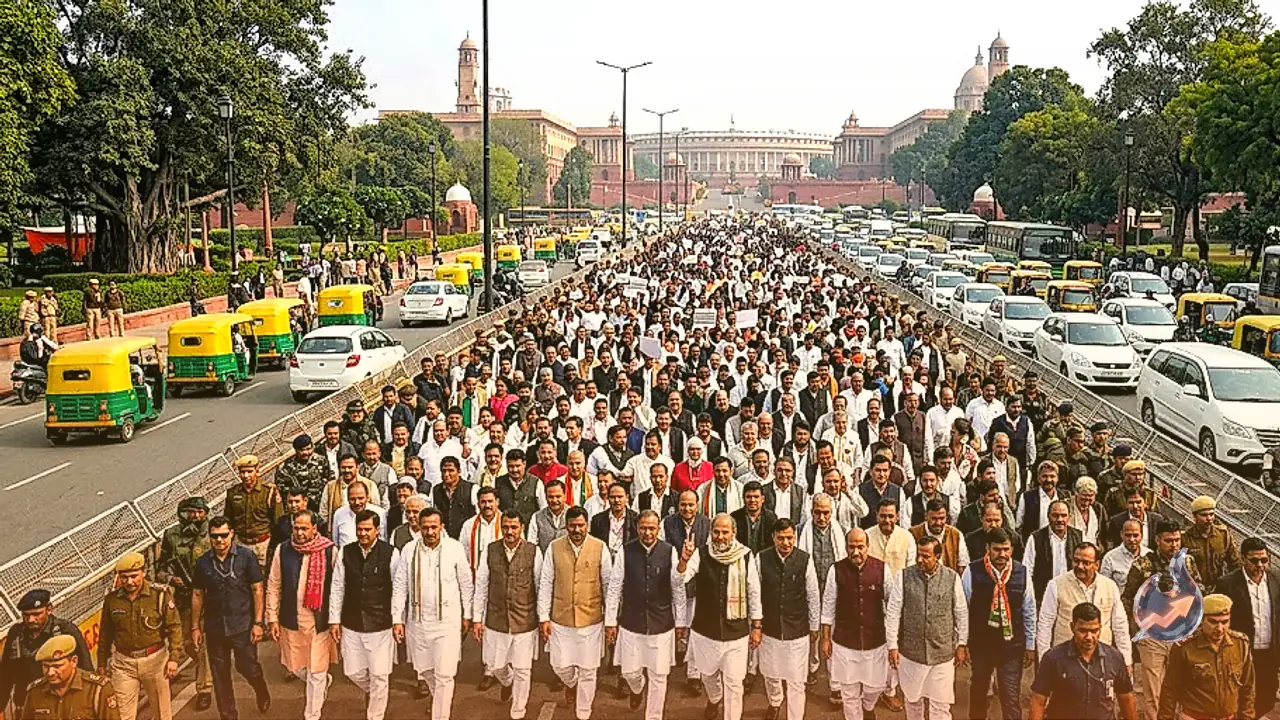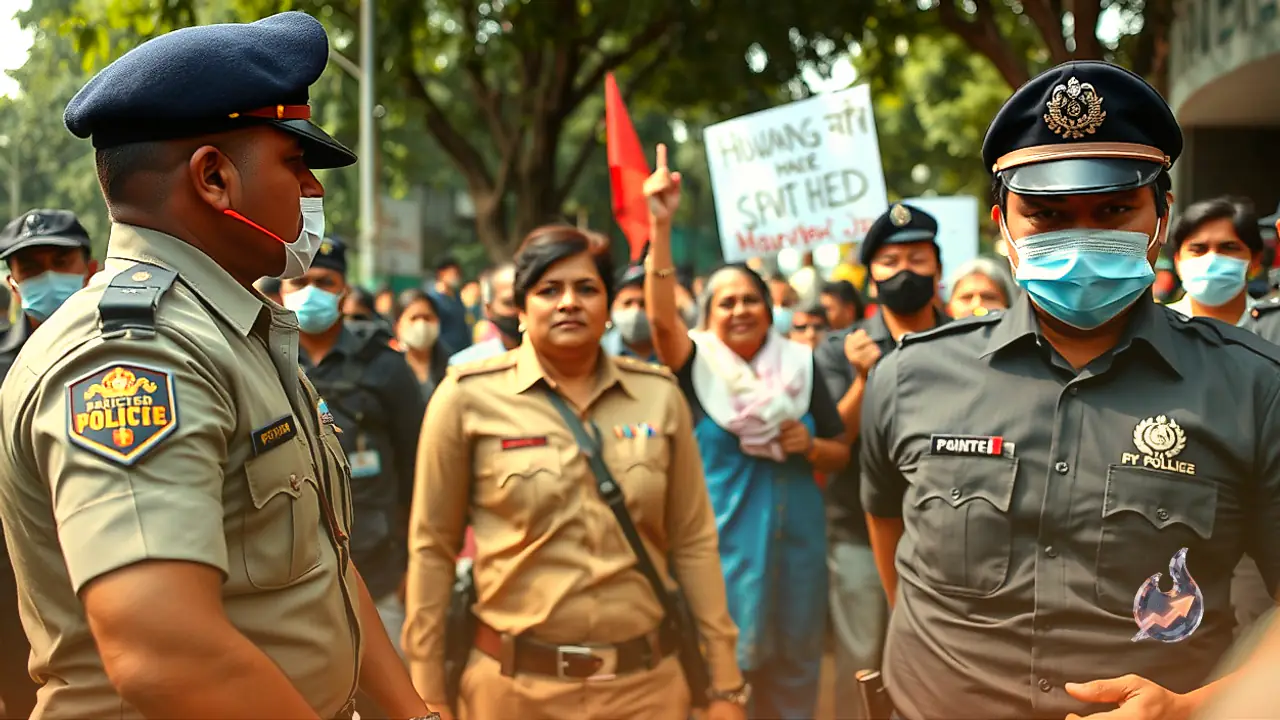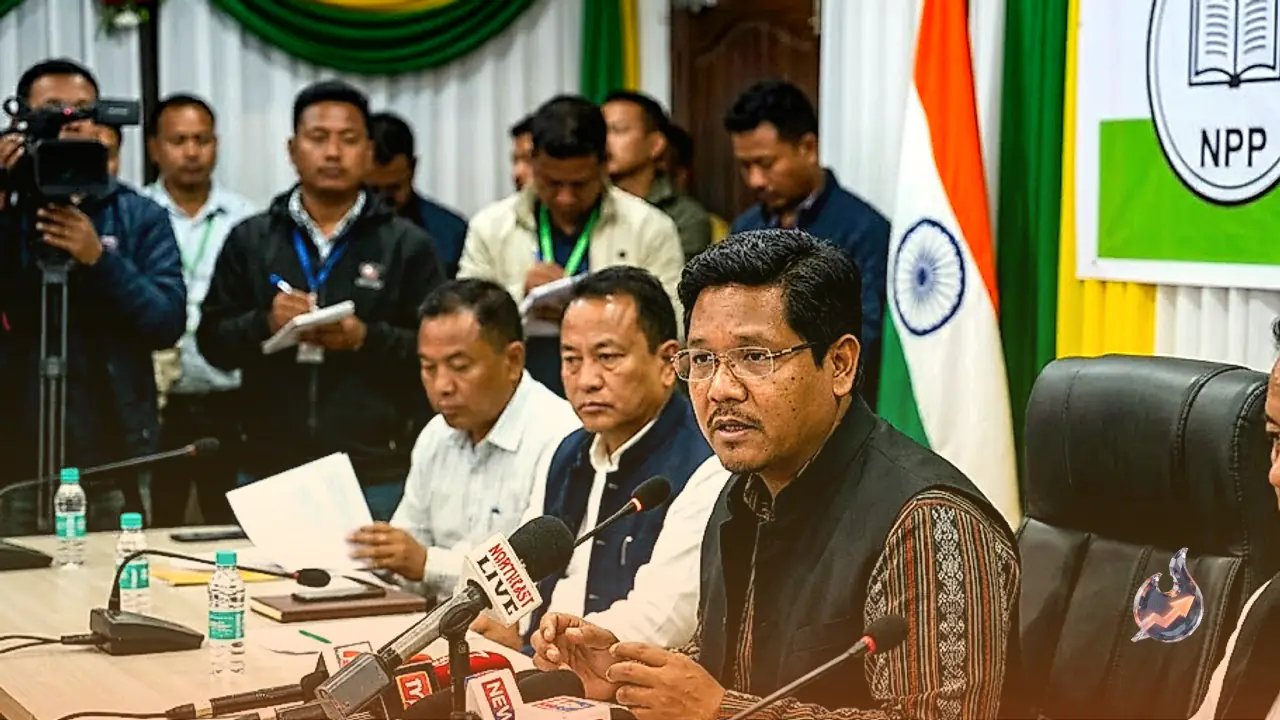



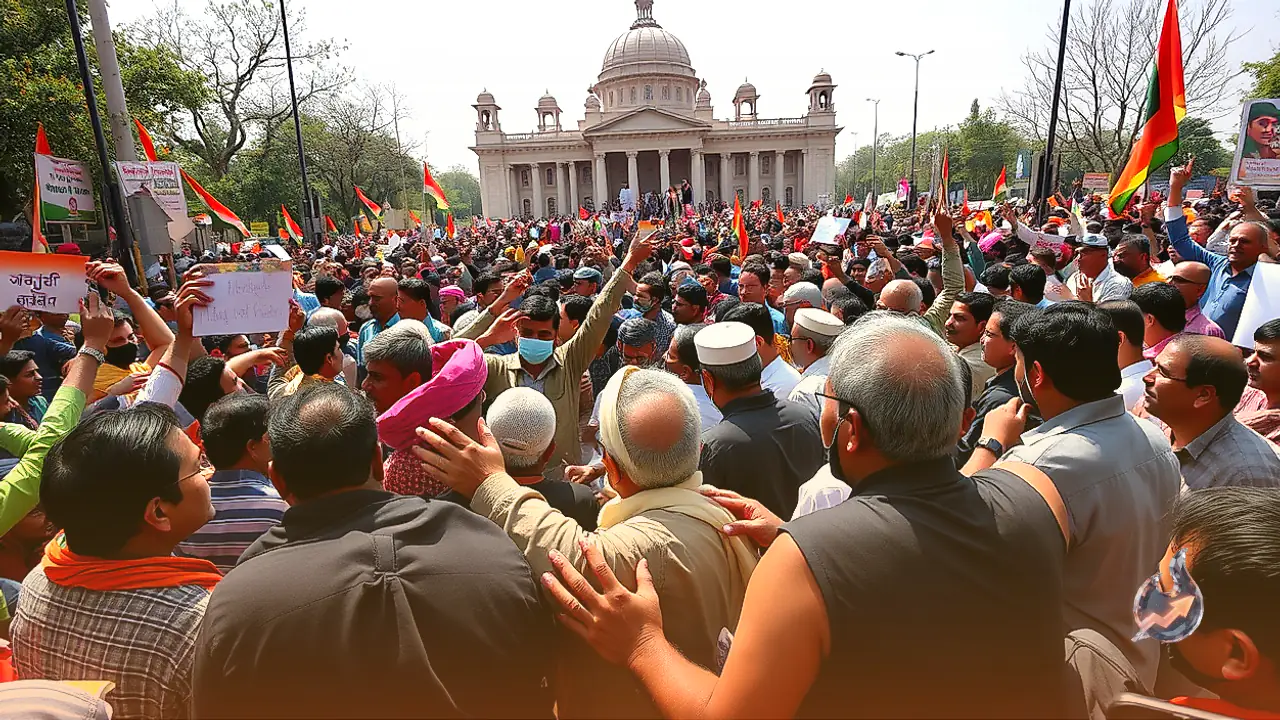

















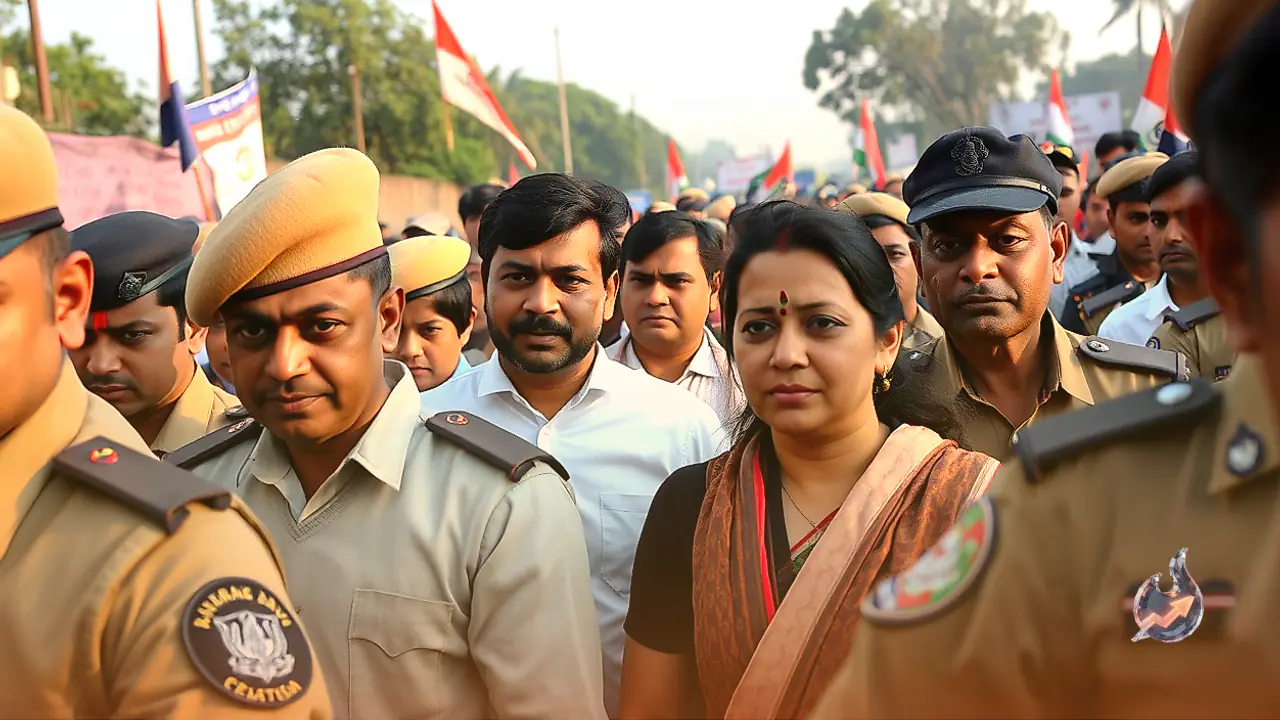

High drama unfolded in the national capital on the evening of Tuesday, October 6, when security forces detained Congress MPs Rahul Gandhi and Priyanka Gandhi following a tense standoff over electoral procedures. Law enforcement personnel stepped in to clear the Akashvani Bhawan premises after lawmakers from the opposition alliance attempted to march from Parliament toward the Election Commission office. The demonstrators were demanding the resignation of Chief Election Commissioner Gyanesh Kumar and protesting against the special intensive revision of voter rolls. As barricades halted their march, Rahul Gandhi climbed over police barriers to enter the broadcasting facility compound, where leaders staged an impromptu sit-in. The action culminated in police detaining several senior figures, including Congress general secretary KC Venugopal and former Punjab Congress chief Amarinder Singh Raja Warring, bundling them into waiting transport.
Standoff Outside Broadcasting Compound and Barricade Clashes
The demonstration began earlier in the afternoon when roughly 300 elected representatives sought to present their grievances directly to poll body officials. Finding their path blocked by security cordons on the street, the lawmakers refused to disperse, declaring they would remain until granted an audience with electoral authorities. Dramatic scenes played out as Rahul Gandhi was seen climbing atop metal barricades while police personnel moved in to physically remove participants. Authorities brought in buses to transport demonstrators away from the scene. Priyanka Gandhi was initially escorted into one of the police vehicles, but she stepped off moments later to rejoin her brother on the ground. Despite continuous police warnings that an overnight demonstration at Akashvani Bhawan would not be permitted, the politicians held their ground until security personnel executed the clearing operation.
Sharp Criticism Directed at Administrative Machinery
Speaking to journalists outside the compound prior to the clearance, Priyanka Gandhi mounted a fierce offensive against both the poll body leadership and the ruling dispensation. Reiterating that the CEC must step down, she asserted that the opposition simply wanted to place its critical questions about electoral irregularities before the commission. Expressing profound frustration with the administrative apparatus, she remarked that she had never witnessed such an ineffective government in her lifetime. She also raised serious objections regarding the treatment meted out to elected lawmakers throughout the day, accusing police personnel of inappropriate conduct since the morning hours. She argued that security officers ought to function under the mandate of the Constitution rather than serving the bidding of any specific individual.
Allegations Against Commission Leadership and Social Media Push
Addressing the curbs placed on the march, Rahul Gandhi questioned why the head of a constitutional body was unwilling to engage with democratic representatives. He pointed out that nearly 300 parliamentarians had marched peacefully to deliver their concerns, only to be stopped by physical barriers and police forces. Taking his campaign to the digital space, the Congress leader shared a social media post reinforcing the call for Gyanesh Kumar's resignation. The core charter of demands presented by the opposition encompasses the immediate stepping down of the chief election commissioner, the total scrapping of the SIR exercise, and the prompt restoration of voter names that were allegedly struck off the rolls.
The Underlying Dispute Over Special Intensive Revision
The confrontation stems from prolonged friction between opposition parties and poll authorities regarding the Special Intensive Revision, commonly known as SIR, of voter lists. Critics contend that this sweeping verification exercise threatens to disenfranchise a substantial volume of eligible citizens, thereby casting doubt over the transparency of upcoming democratic contests. In contrast, the Election Commission maintains that the revision drive is standard operational procedure designed to maintain clean electoral registers. According to the commission, periodic reviews are vital to identify duplicate entries, remove ineligible individuals, and ensure that the official rolls remain accurate and up to date.