
















A high-voltage demonstration targeting Chief Election Commissioner Gyanesh Kumar laid bare persistent fissures within the opposition alliance on Tuesday, 06 October 2026. What was designed as a joint march of opposition parliamentarians from Parliament House toward Nirvachan Sadan abruptly shifted into internal friction after Rahul Gandhi and Priyanka Gandhi Vadra exited a detention bus and occupied the grounds of the Akashvani Bhavan complex. Their spontaneous sit-in kept the protest alive for hours under intense media glare, yet the unilateral shift left several allied parties aggrieved over being excluded from key strategic choices, forcing the Congress leadership into an immediate damage-control drive.
Tactical Shift on the March to the Election Commission
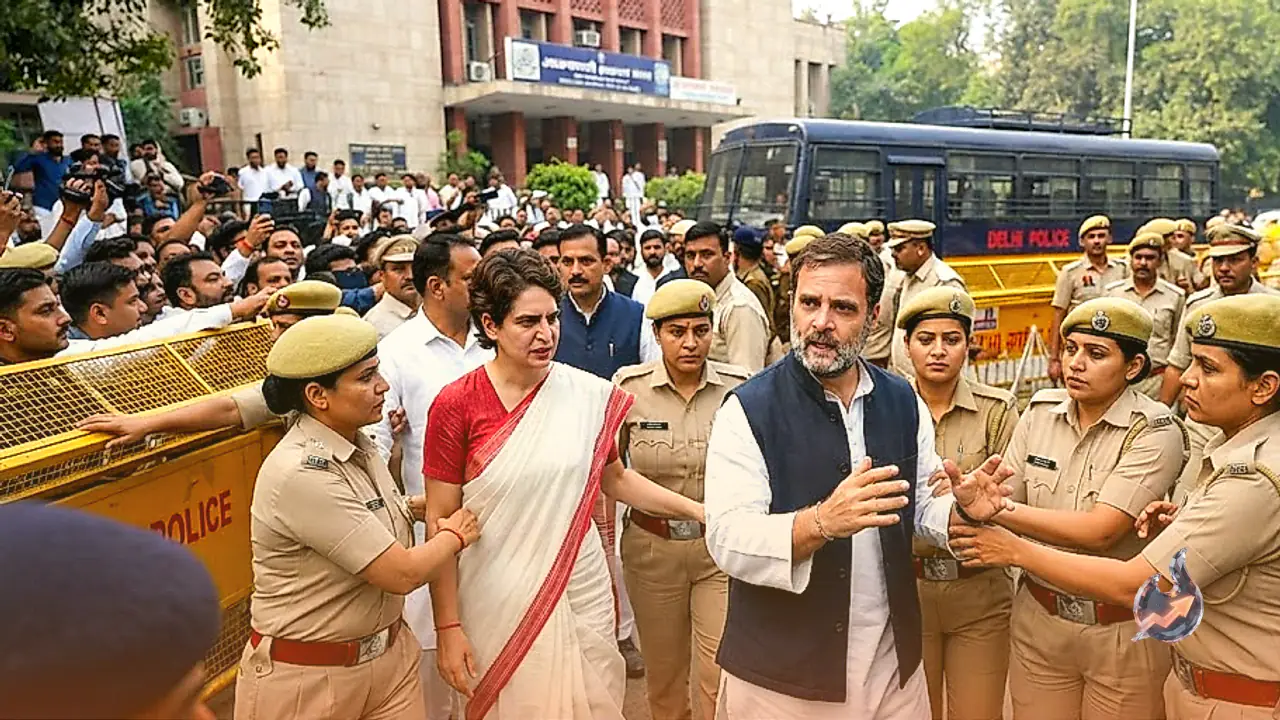
The collective march of opposition MPs began with demands for the resignation of Chief Election Commissioner Gyanesh Kumar over alleged voter list discrepancies and vote theft. Security personnel intercepted the procession well before it could reach its destination, setting up barricades and detaining parliamentarians into designated buses. As the street demonstration appeared on the verge of fading out, Rahul Gandhi walked back toward the vehicle carrying Priyanka Gandhi Vadra, and both leaders opted to divert their course directly into the Akashvani Bhavan premises.
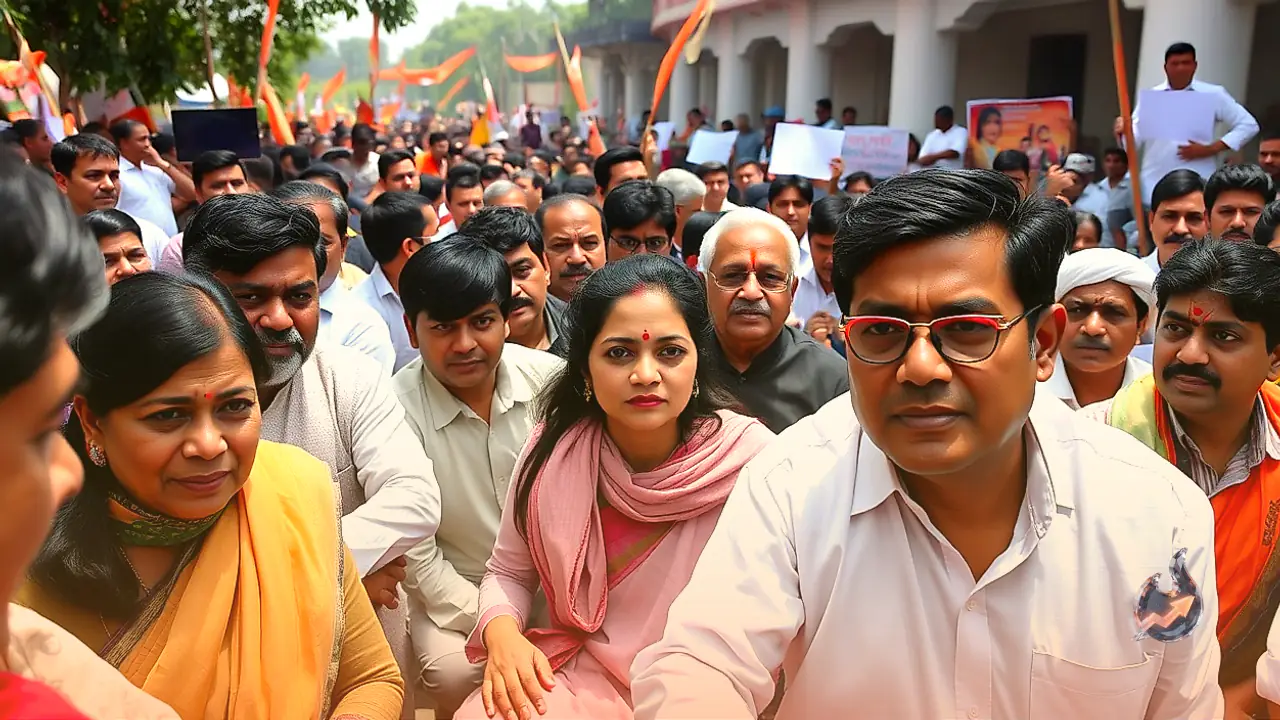
Rahul Gandhi entered the gates first, followed shortly by Priyanka Gandhi Vadra. Surrounded by security personnel, the two leaders sat on the ground to mount a protest. Even within the Congress ranks, numerous senior functionaries had received no prior briefing regarding this move, as the agreed schedule had simply envisioned marching toward the election office until halted by police barriers.
Reviving the Protest at the Cost of Allied Trust
The sudden demonstration inside the broadcasting complex instantly altered the media trajectory of the day, transforming the venue into the primary epicenter of political contestation. Congress managers defended the move as an essential tactical intervention, contending that had the leaders complied with the boarding process, the entire agitation would have quietly dissipated inside police transport. Occupying the premises allowed the opposition to sustain prolonged public focus on its charges against the electoral machinery.
However, this very agility triggered severe misgivings among allied partners. Leaders from multiple constituent parties argued that during a collectively sponsored initiative, significant tactical departures ought to be deliberated collectively rather than executed unilaterally. The perception that the Congress leadership acted entirely on its own accord without informing fellow constituents fostered immediate irritation across the wider bloc.
Grievances Over Centralized Control and Meeting Requests
The dispute expanded beyond physical positioning to the overall management of the confrontation, particularly regarding outreach to the poll panel. Several regional parties felt sidelined from the procedural push to engage the Commission, fostering the sentiment that a joint front was being redirected into an exclusive showcase for the Congress and the Gandhi family. Such frictions revived long-standing difficulties the coalition has repeatedly encountered regarding seat negotiations and common program execution.
Simultaneously, questions arose concerning the formal mechanics of the planned engagement with poll officials. While Rahul Gandhi publicly insisted that the opposition sought an audience to present its grievances before the Chief Election Commissioner, the poll body stated that it had received no formal representation or meeting request from any political delegation. This divergence added another layer of contention regarding how the delegation had structured its logistical outreach.
KC Venugopal Steps In to Mend Coalition Friction
Faced with visible pushback from alliance partners, the Congress central leadership moved quickly to arrest the political fallout. Congress General Secretary KC Venugopal reached out to leaders across the constituent parties to explain that the shift to Akashvani Bhavan was entirely impromptu rather than a premeditated manoeuvre. The party expressed regret over the breakdown in communication that had caused mistrust among partners.
Following these bilateral reassurances, figures from other constituents, including representatives from the Trinamool Congress, eventually arrived at the premises to show solidarity. The original march had seen representation from the Samajwadi Party, Trinamool Congress, RJD, and CPIM, with the BJD also deputing two of its MPs, even as the Aam Aadmi Party and DMK chose to stay away entirely. The episode highlighted the dual dilemma confronting the Congress: generating aggressive momentum against the poll body while simultaneously preserving the delicate equilibrium required to keep disparate regional allies aligned.