





















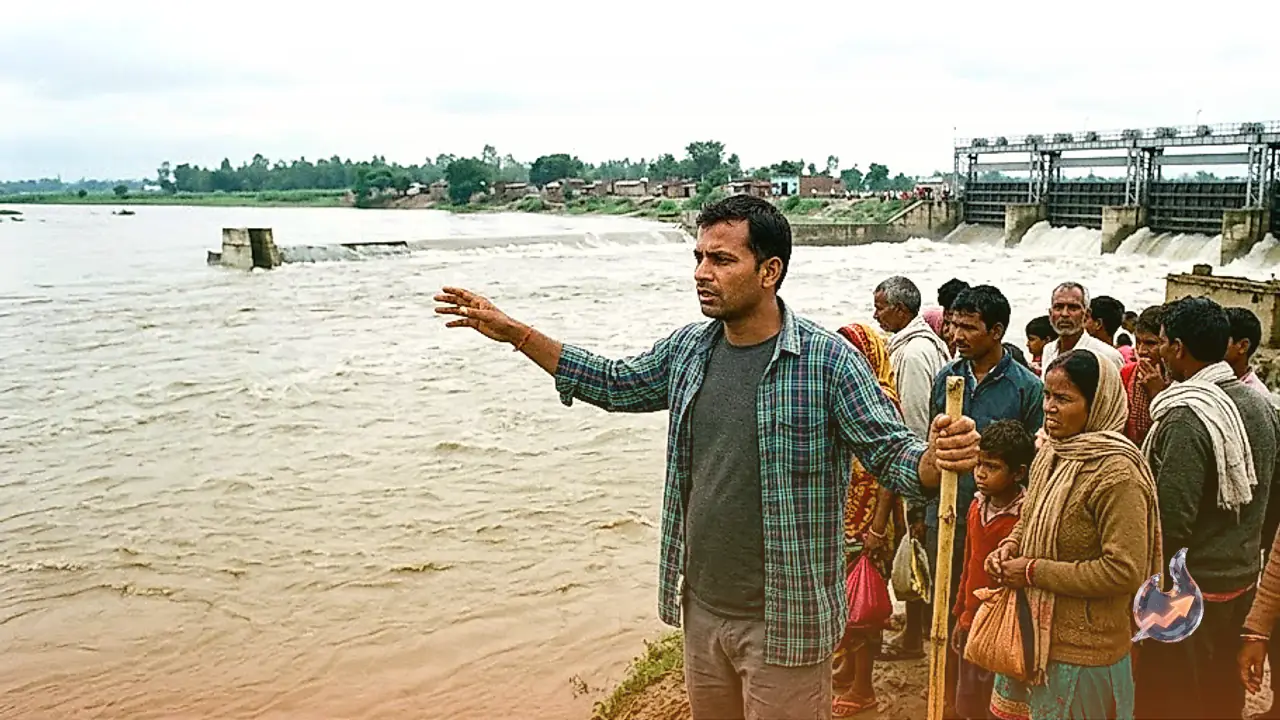

A catastrophic flood crisis in upper mountain catchments of Nepal has triggered severe emergency warnings across the northern plains of India. Torrential discharges from Nepal's river networks have placed 16 border districts in Bihar and Uttar Pradesh on high alert. In Bihar's Paschim Champaran district, a sudden surge in the Gandak River compelled authorities to open all 36 gates of the barrage to regulate water pressure. Emergency evacuation drives have commenced along vulnerable riverbanks, while officials emphasize that the next 24 hours remain extremely critical for monitoring river levels and incoming volume.
Swelling Gandak River Forces Evacuations in Coastal Belts
The swift downstream movement of floodwaters from mountain regions has rapidly escalated river levels in Indian flatlands. The opening of 36 gates at the Gandak Barrage in Paschim Champaran has led to immediate flooding risks for nearby habitations. In response, disaster management teams and local administrators initiated the evacuation of riverbank villages, moving families to elevated locations. Emergency response personnel have been stationed along vulnerable embankments. Round-the-clock monitoring is underway to prevent embankment breaches and manage swift water flow.
Central Coordination and High-Level Administrative Monitoring
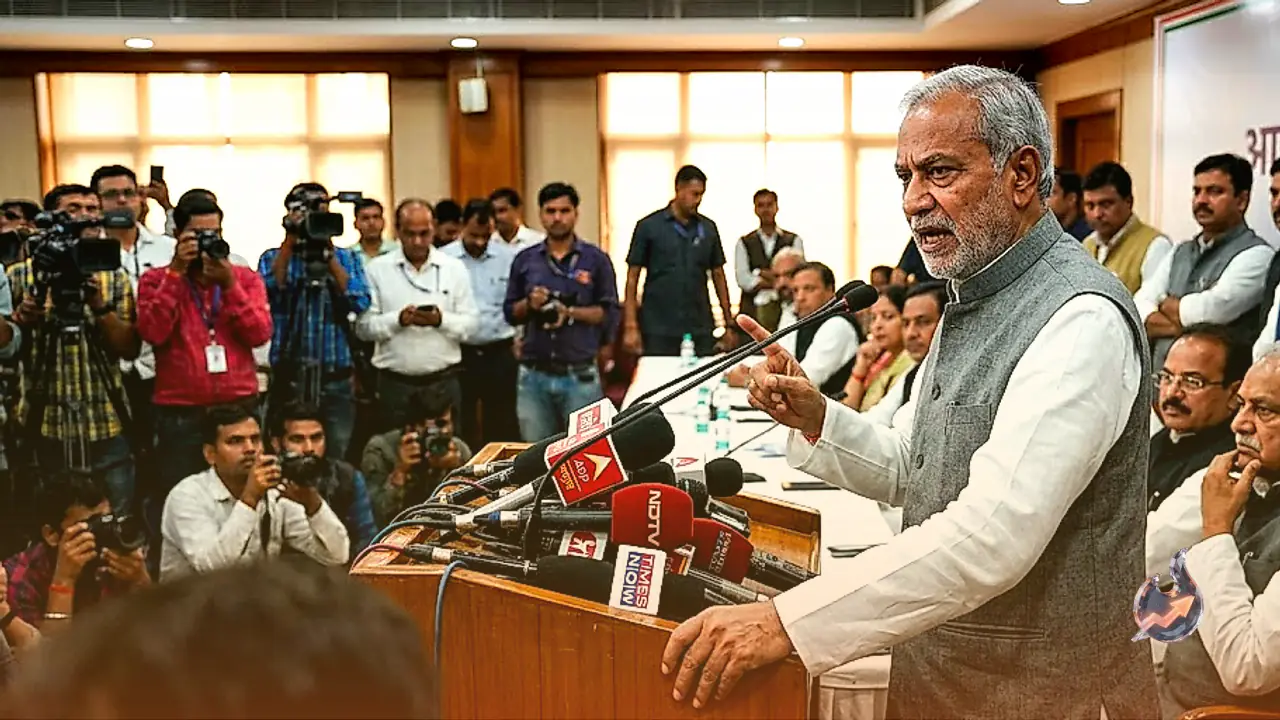
The Union Government is closely observing the unfolding situation. Amid heightened vigilance from Prime Minister Narendra Modi, Union Home Minister Amit Shah conducted telephonic consultations on Wednesday with Bihar Chief Minister Samrat Choudhary and Uttar Pradesh Chief Minister Yogi Adityanath. Minister Shah reviewed the flood readiness and river levels across both states. Describing the flood destruction in Nepal as deeply heart-wrenching, Amit Shah reaffirmed that the Central Government will extend all required resources to support Bihar and Uttar Pradesh. He assessed emergency preparations and assured seamless assistance to both state administrations.
State Action Plans and Emergency Meetings
Following discussions with the central leadership, both state governments activated emergency management protocols. Bihar Chief Minister Samrat Choudhary chaired an emergency review meeting with top state officials, instructing agencies to maintain continuous vigilance over water levels. Concurrently, Uttar Pradesh Chief Minister Yogi Adityanath directed administrative personnel in Maharajganj and Kushinagar districts to maintain strict surveillance over the swelling Gandak and Narayani rivers. Senior administrative officers have moved to ground zero to supervise preventive measures and flood control machinery.
High Alert Sounded Across 9 Districts of Bihar
Owing to massive inflows from Nepal, the Bihar Disaster Management Department declared a high alert across 9 districts. Local administrative units have been instructed to remain fully operational around the clock. The identified districts include
- Paschim Champaran: Where 36 barrage gates were opened and riverbank evacuations are actively underway.
- Purvi Champaran: Facing inundation risks in low-lying agricultural and residential areas.
- Gopalganj: Under strict watch as Gandak River currents impact riverside panchayats.
- Muzaffarpur: Monitoring Bagmati and Gandak river levels continuously.
- Siwan: Setting up temporary relief shelters for potential evacuees.
- Saran: Advising residents along riverbanks to shift to higher ground.
- Sheohar: Keeping close tabs on water logging in low-lying pockets.
- Sitamarhi: Maintaining strict border vigilance due to proximity to Nepal.
- Vaishali: On alert near the confluence zone of the Ganga and Gandak rivers.
Uttar Pradesh Places 7 Border Districts under Strict Vigilance
The surge in the Gandak and Narayani rivers presents severe flood hazards for border areas in Uttar Pradesh. The state government issued alerts across 7 key districts, directing field officers to prepare for potential flooding. The alert covers
- Maharajganj: Monitoring Narayani and Gandak water levels 24 hours a day due to its direct border with Nepal.
- Kushinagar: Deploying specialized river patrol teams as Gandak water levels rise rapidly.
- Pilibhit: Tracking water discharge rates in border river channels.
- Shravasti: Warning coastal villages against sudden spates in mountain streams.
- Balrampur: Maintaining vigilance along the Rapti River and its tributaries.
- Siddharthnagar: Preparing civil defense and disaster response units for waterlogging scenarios.
- Gorakhpur: Supervising Rapti and Rohin river levels through control rooms.
Hydrological Link: How Nepal's Catchment Surges Reach India
The geographical layout of the Himalayan drainage basin dictates that flood events in Nepal directly affect downriver states in India. Nepal's Bhote Kosi River feeds into the Trishuli River system. Near Devghat, the Trishuli merges with the Kali Gandaki River to form the Narayani River. Upon crossing into Indian territory, the Narayani is known as the Gandak River. Consequently, any heavy rainfall or sudden water release in Nepal's upper catchments rapidly escalates water levels in the Gandak River inside India.
Casualties and Missing Travelers in Nepal Disaster
The disaster in Nepal has caused significant loss of life, with casualty figures rising. Latest figures confirm that 750 travelers are currently reported missing in the flood-affected regions. This total includes 291 foreign nationals and 93 Nepalese citizens. Among the missing foreign nationals are 133 Indian citizens and 37 Non-Resident Indians (NRIs). Search and rescue operations are proceeding continuously across the affected terrain to trace missing individuals.