


















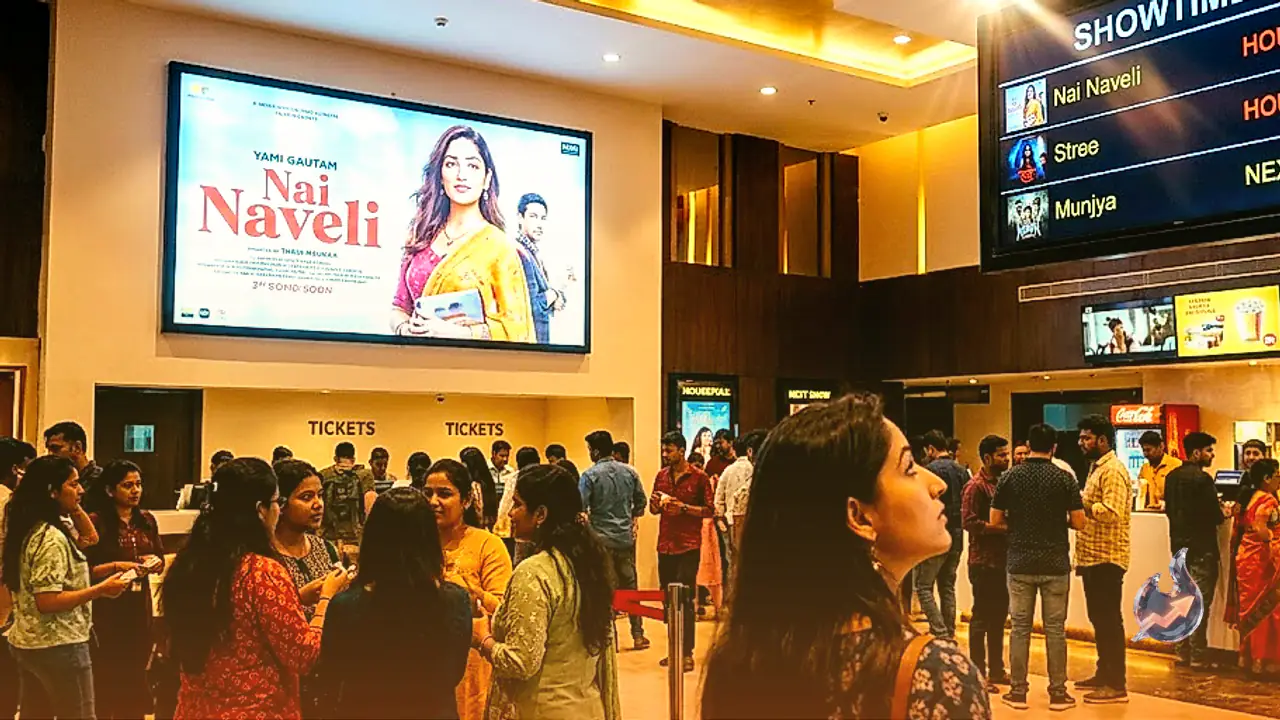

A distinct and substantial transition is taking place across the landscape of Hindi mainstream cinema, dismantling the age-old convention where narratives were anchored almost exclusively by male leads. For decades, female roles were largely confined to existing in the orbit of the hero, providing romantic interludes, or serving as decorative presences during musical numbers. That entrenched pattern is shifting dramatically as leading actresses prove capable of driving major theatrical footfalls on their own merit. The latest film to underscore this evolution is the Yami Gautam starrer Nai Naveli, which has been drawing significant crowds to cinemas. The project serves as clear evidence that when an engaging screenplay places a captivating female character at its core, audiences are eager to respond in large numbers.
The Precedent Set by Stree and Munjya
This changing dynamic can be traced through several notable releases that successfully captured public imagination. When Stree arrived in theatres, the sustained enigma surrounding the character played by Shraddha Kapoor served as the fundamental anchor of viewer interest. Audiences remained fascinated throughout the narrative trying to decode her real motives and identity, making her presence vital to the film's theatrical momentum. Similarly, in the supernatural folklore venture Munjya, Sharvari played a pivotal role in pushing the mysterious storyline forward, ensuring that the tension never wavered. Now, Nai Naveli carries that momentum forward, with Yami Gautam's character generating extensive curiosity among moviegoers and keeping the film in active cultural discussion.
Moving from Decorative Tropes to Narrative Drivers
The defining element of these productions lies in the structural function of the female protagonists. They are no longer treated as secondary assets meant to validate the male hero or inject mandatory romantic angles into the plot. Instead, they serve as the direct catalysts for suspense, narrative shifts, and dramatic revelations. The traditional presumption in film trade was that audiences primarily bought tickets to watch conventional action heroes fight overwhelming odds. Yet, the positive reception of Nai Naveli proves that contemporary audiences are increasingly drawn toward compelling character arcs, where the primary attraction of the film is a commanding female figure driving the central conflict.
Supernatural and Horror Spaces as Catalysts of Change
Within Hindi filmmaking, a longstanding assumption dictated that female-led narratives could only appeal to niche or festival circuits. That myth has been systematically dismantled by the horror, supernatural, and mystery genres. By positioning women at the center of supernatural intrigues and intricate psychological puzzles, filmmakers have managed to generate broad commercial curiosity. Nai Naveli reinforces this dynamic, proving that the cinema-going public values substantive storytelling and inventive character writing over mere formulaic spectacle. Audiences are signaling that a well-conceived concept led by a strong character can easily compete with star-driven vehicles.
Commercial Validation at the Ticket Counter
The credibility of this shift is backed by tangible financial figures rather than critical acclaim alone. Nai Naveli has amassed 25.2 crore rupees at the box office so far, presenting solid proof that non-traditional storylines are translating into sustainable theatrical business. Releasing a film where the central female role steers the entire dramatic tension is no longer an eccentric cinematic experiment. Instead, it has matured into a dependable storytelling approach capable of generating serious audience engagement and healthy commercial returns. The 25.2 crore rupee haul demonstrates that theatrical audiences are willing to invest their time and money in fresh narrative structures.
A Maturing Landscape for Cinematic Storytelling
Tracing the trajectory from Stree and Munjya to Nai Naveli reveals a deeper structural transformation inside the Hindi film industry. The success and identity of a commercial release are no longer dictated solely by who plays the conventional hero. Instead, success hinges on how inventive the story is and how deeply its characters resonate with the ticket-paying crowd. As female performers continue to deliver commercially viable hits, screenwriters and directors gain greater creative freedom to craft multidimensional characters. How filmmakers build on this momentum in upcoming projects will be an important trend to watch across Indian entertainment.