















During the golden age of Indian cinema, few performers displayed the sheer physical discipline and dramatic conviction that defined the career of Vijaya Deshmukh, widely remembered by her screen name Sandhya. Born on September 27, 1938, in Kochi, she grew up in a household with strong ties to theatre, which nurtured her artistic instincts from an early age. Looking for broader opportunities in the performing arts, she moved to Bombay alongside her sister Vatsala Deshmukh. Her professional breakthrough arrived when she responded to a newspaper advertisement seeking talent for renowned filmmaker V. Shantaram's 1951 Marathi project titled Amar Bhoopali.
The Audition That Defined a New Identity
During her screen test, Shantaram was struck by her distinctive voice, which shared a striking tonal similarity with his second wife, the celebrated actress Jayashree. That audition not only secured her the role of Gunavanti in Amar Bhoopali but also gave her the cinematic moniker Sandhya. The musical drama resonated deeply with audiences and critics alike, earning widespread acclaim and securing a prestigious Palme d'Or nomination at the 1952 Cannes Film Festival.
Rigorous Training and a National Award
Although widely revered for her spellbinding dance sequences, Sandhya did not start out as a formally trained dancer. When cast in the 1955 color classic Jhanak Jhanak Payal Baaje, she had to match the steps of legendary classical dancer Gopi Krishna. Demonstrating immense grit, she endured months of exhaustive physical training to master the choreography. Her portrayal of Neela, highlighted by the intricate Shiva Tandava and deeply evocative expressions, stands as a testament to her work ethic. In 1955, Jhanak Jhanak Payal Baaje went on to win the National Award.
Global Acclaim and the Toy Seller in Do Aankhen Barah Haath
Another major milestone in her cinematic journey came with Do Aankhen Barah Haath, where she essayed the character of Champa, a street vendor selling toys. The socially conscious masterpiece gained international prominence, winning the Silver Bear award at the Berlin International Film Festival. Further cementing its prestige, the Hollywood Foreign Press honored the cinematic work with the Samuel Goldwyn Award.
Fearless Acting Alongside Real Lions Without Body Doubles
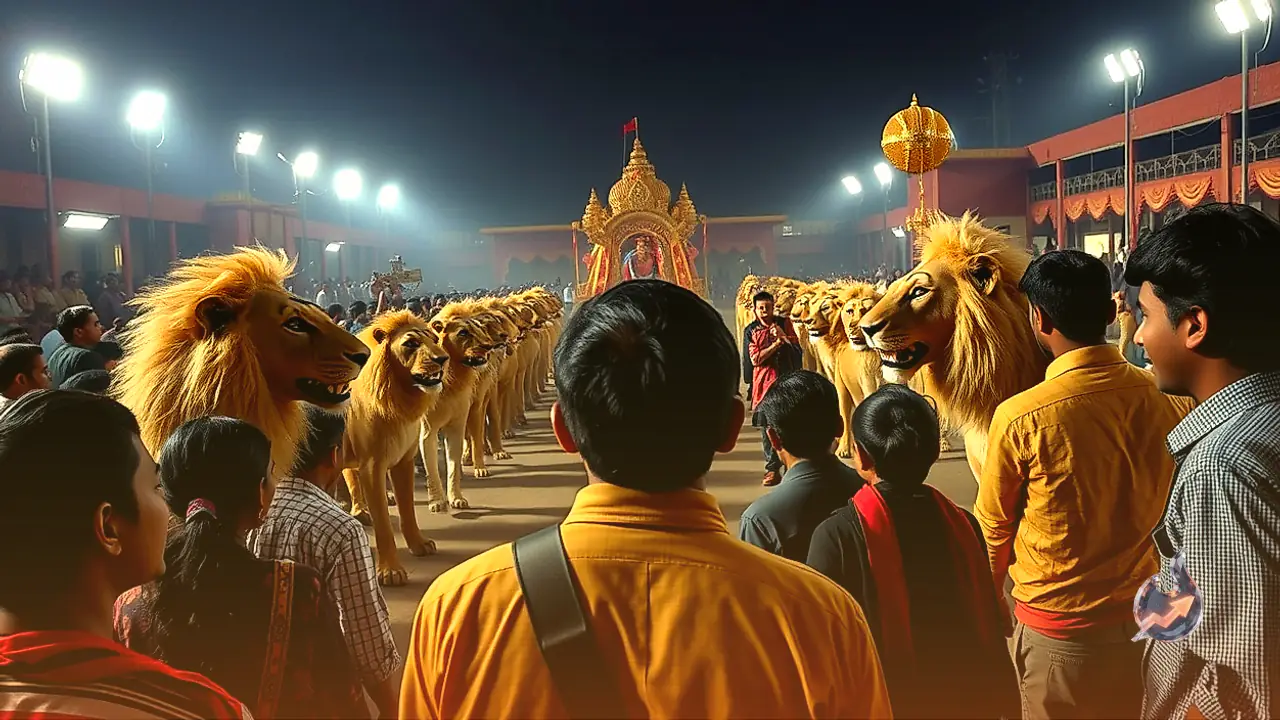
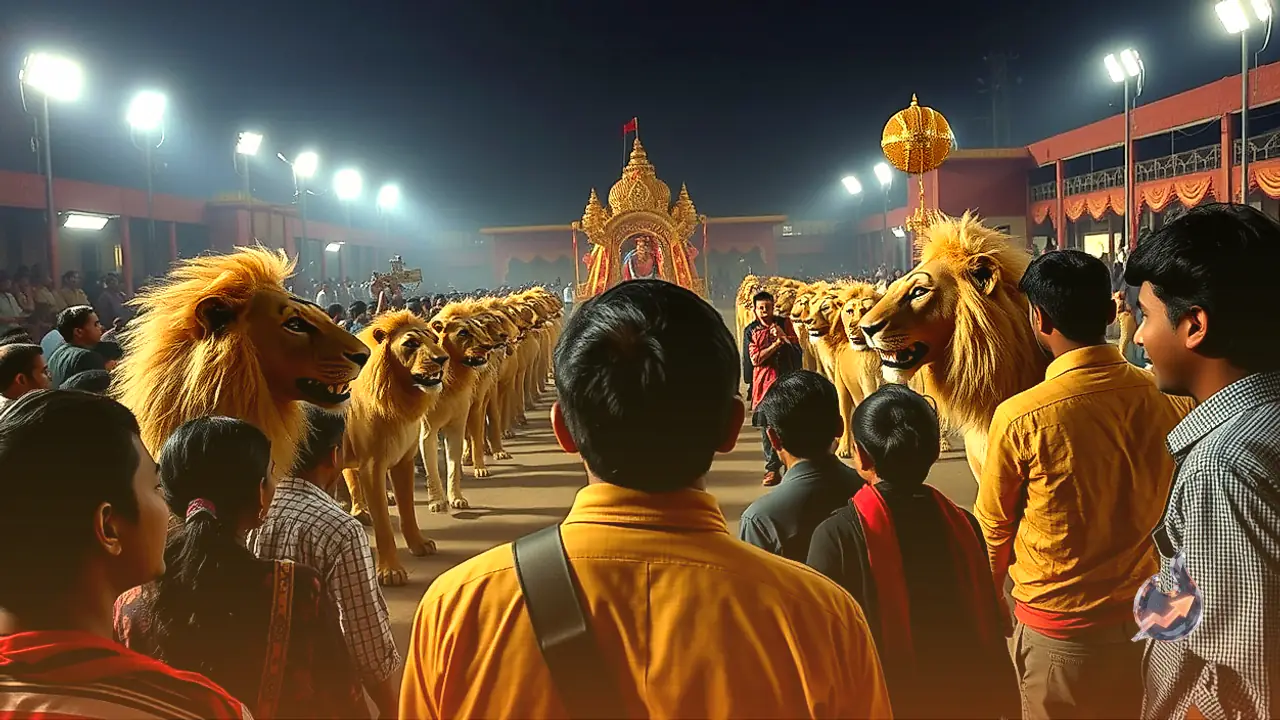
In Do Aankhen Barah Haath, the musical track Saiyan Jhoothon Ka Bada Sartaj Nikla highlighted her impressive multitasking capabilities as she gracefully balanced a basket on her head, played the stringed ravanahatha, and conveyed layered emotional expressions while moving. Her artistic commitment extended well past choreographed routines. While working on the 1961 film Stree, she shared scenes with real lions. To execute these dangerous sequences safely, she shadowed the animal handlers to understand the lions' behavior and body language, refusing to use a body double for the perilous shots.
Mastering Lavani and Winning Marathi Filmfare Trophies
Around the age of 40, Sandhya took on the bold character of Chandrakala, a tamasha performer who triggers the moral unraveling of an idealistic school teacher. The performance helped bring the raw vitality of Maharashtra's traditional Lavani folk dance to wider cinema audiences. Her energetic performance in the song Mala Laaglee Kunaachi Uchki won her the Filmfare Marathi Award for Best Actress. She repeated this accomplishment in 1975, earning the Best Actress Filmfare trophy once more for Chandanachi Choli Ang Ang Jaali.
Marital Bond, Artistic Loyalty, and Peaceful Departure
Sandhya married V. Shantaram on December 22, 1956. Over the course of her acting life, she turned down lucrative opportunities from leading directors of the era, including Mehboob Khan, choosing to channel her entire professional output toward Shantaram's creative vision. After stepping away from movies in the late 1970s, she retreated almost completely from public appearances. Her rare public appearance took place in 2009 during the V. Shantaram Award ceremony celebrating the 50th anniversary of the film Navrang. She spent her final years leading a quiet, private life at Rajkamal Studio. On October 4, 2025, she passed away due to age-related illnesses and was cremated at the Shivaji Park crematorium in Dadar.