


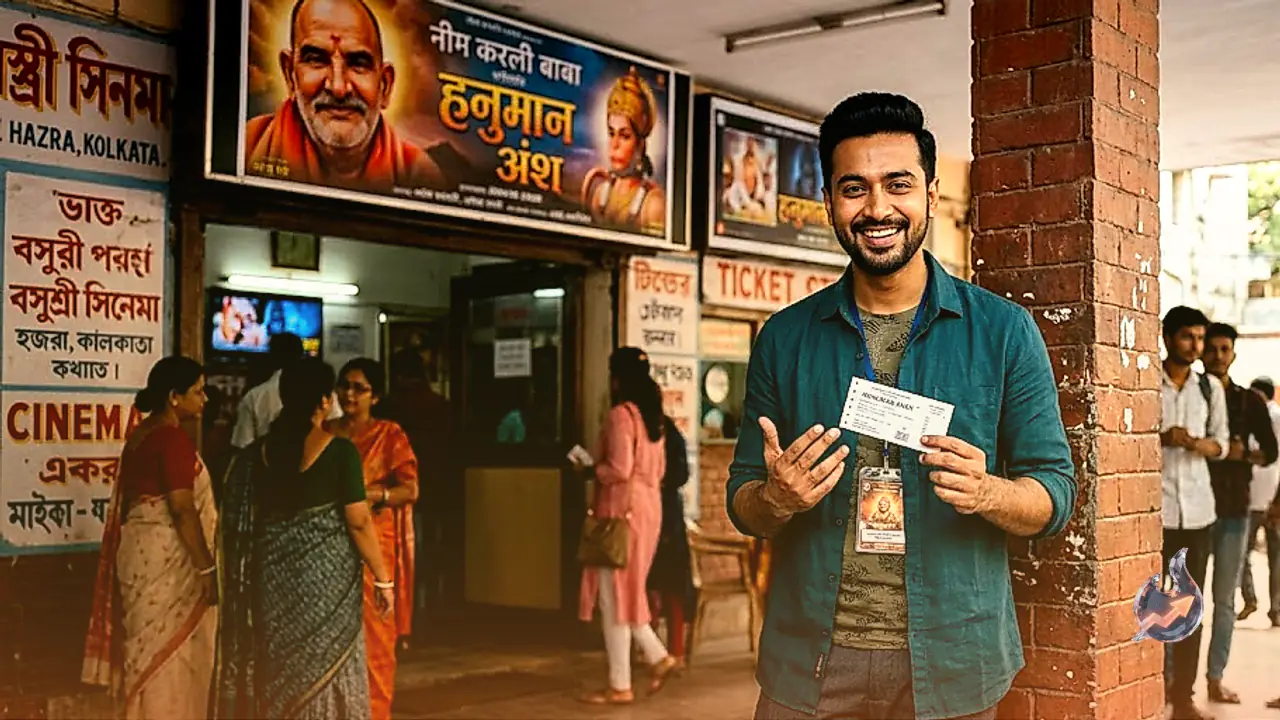














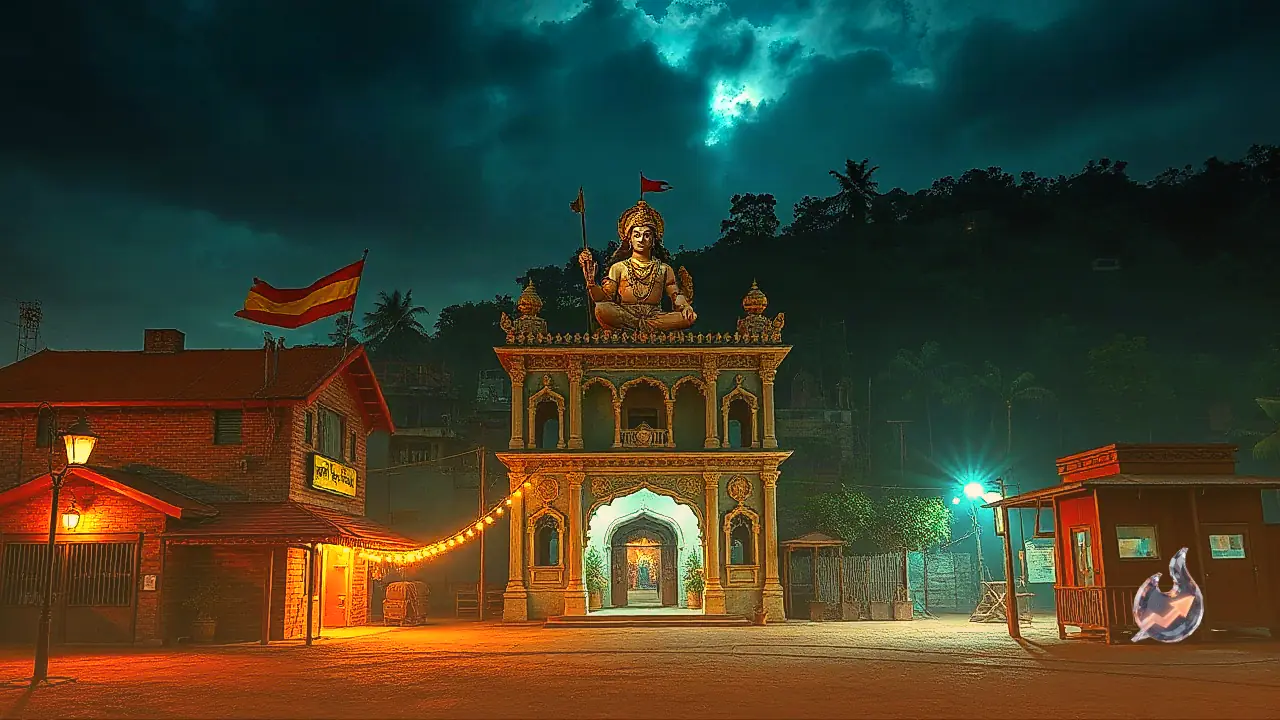

A remarkable wave of faith is reshaping ticket counters as the low-budget spiritual drama Hanuman Ansh crosses 40 consecutive days on the big screen, consistently outperforming high-profile releases in daily earnings. Beyond its impressive commercial figures lies an arduous journey against tight deadlines and severe monetary pressure. The entire production was wrapped up in just 26 days without compromising on quality or intent. The creative minds behind the venture have laid bare the unexpected turning points and creative hurdles that defined this theatrical run.
Overcoming Obstacles In A Rapid 26-Day Production
While Hanuman Ansh is now widely celebrated, the ground realities during filming were exceedingly grim. The unit battled relentless financial limitations and an inflexible schedule, yet managed to complete primary filming across 26 grueling days. The makers took a massive creative gamble, especially because an earlier film on the exact same subject had crashed at the box office in May 2026. Refusing to abandon their conviction, the team stayed the course. The breakthrough arrived two weeks into theatrical release, transforming into a phenomenon that left prominent industry veterans stunned.
A Traditional Sonic Canvas Featuring 11 Bhajans
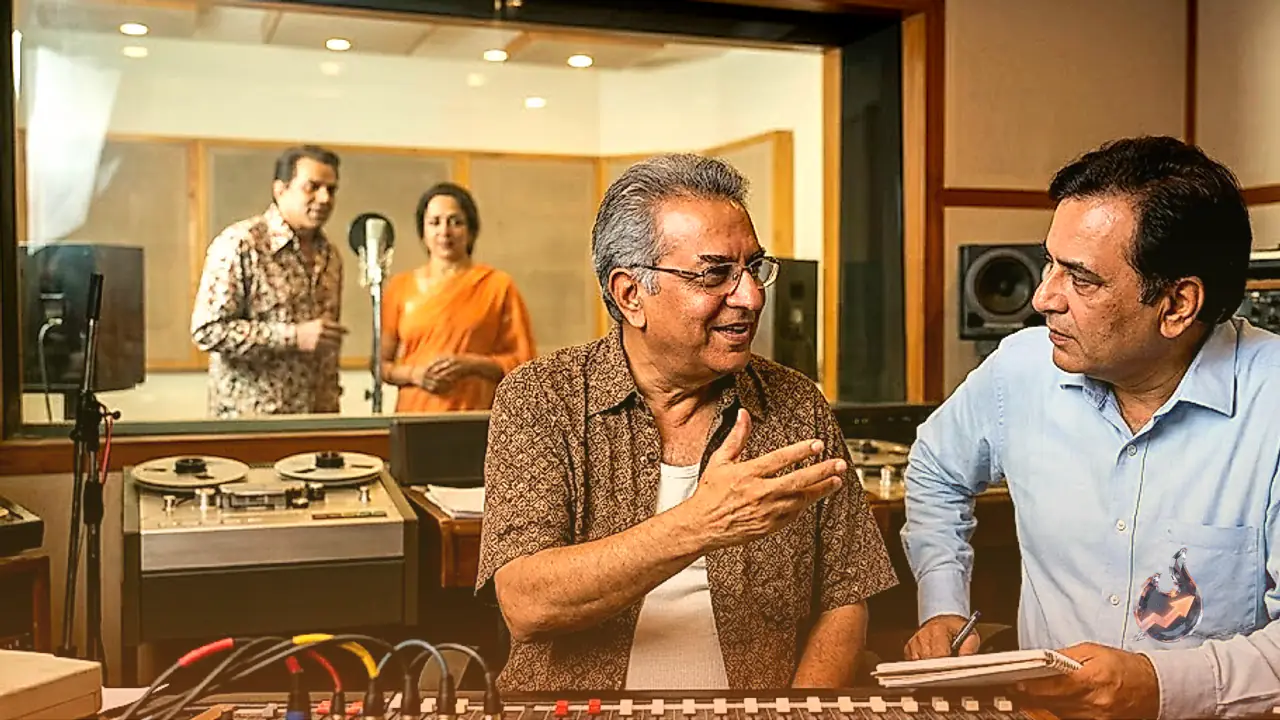
The soul of Hanuman Ansh rests heavily upon its musical architecture. Rather than relying on standard commercial tracks, the makers integrated 11 devotional songs and traditional bhajans to heighten key narrative junctures. Spanning compositions such as Sasa Haale and Jidd Par Aa Gayi Parvati, the tracks carry deep roots in regional folk traditions. The musical palette purposely combines Awadhi and Bundeli dialects, recreating the distinct acoustic textures and grounded warmth reminiscent of the 1930s and 1940s.
From Pitambara Peeth In Datia To The Vande Bharat Express
The background behind the standout track Sasa Haale remains particularly captivating. Originating from the 11th century as a revered work of Guru Gorakhnath linked to Kundalini awakening, the verse was rediscovered by director Vishal Chaturvedi inside a text found at Pitambara Peeth in Datia. Convinced of its dramatic weight, he resolved to weave it into the cinematic narrative.
The creative breakthrough unfolded in transit. While traveling aboard the Vande Bharat express train, director Vishal Chaturvedi transmitted the discovered verses directly to composer Sadhu. Sitting with an acoustic guitar before a portrait of Baba Neem Karoli, whom he regularly revered through sacred chants, Sadhu composed the complete melody in a single take within 15 minutes and transmitted the demo back immediately.
Portraying Neem Karoli Baba And Investing In Live Instrumentation
Despite stringent budget restrictions, production values for the music were never compromised. The 11 bhajans were deliberately structured to build internal emotional resonance rather than serving as decorative background fillers. Intriguingly, the actor portraying Neem Karoli Baba is never shown singing any hymn on screen; instead, his presence is defined entirely by serene listening and contemplative reception of the devotional sounds around him.
Demonstrating creative commitment, the composer opted to reinvest extra funds allotted to him back into rich musical arrangements and live instrument recording rather than retaining the capital for personal gain. For the core crew, the enduring lesson of the film's 40-day run remains the power of sincere intent, asserting that honest storytelling and steadfast dedication naturally pave the way for extraordinary outcomes.