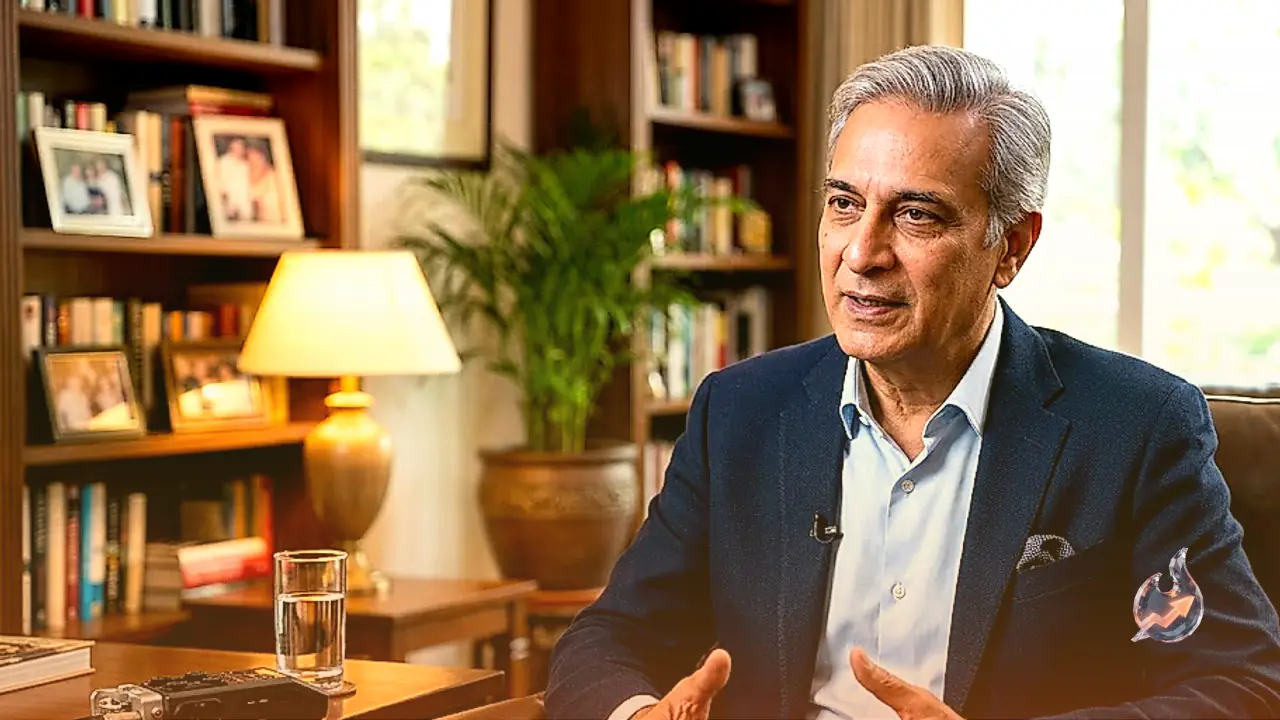


















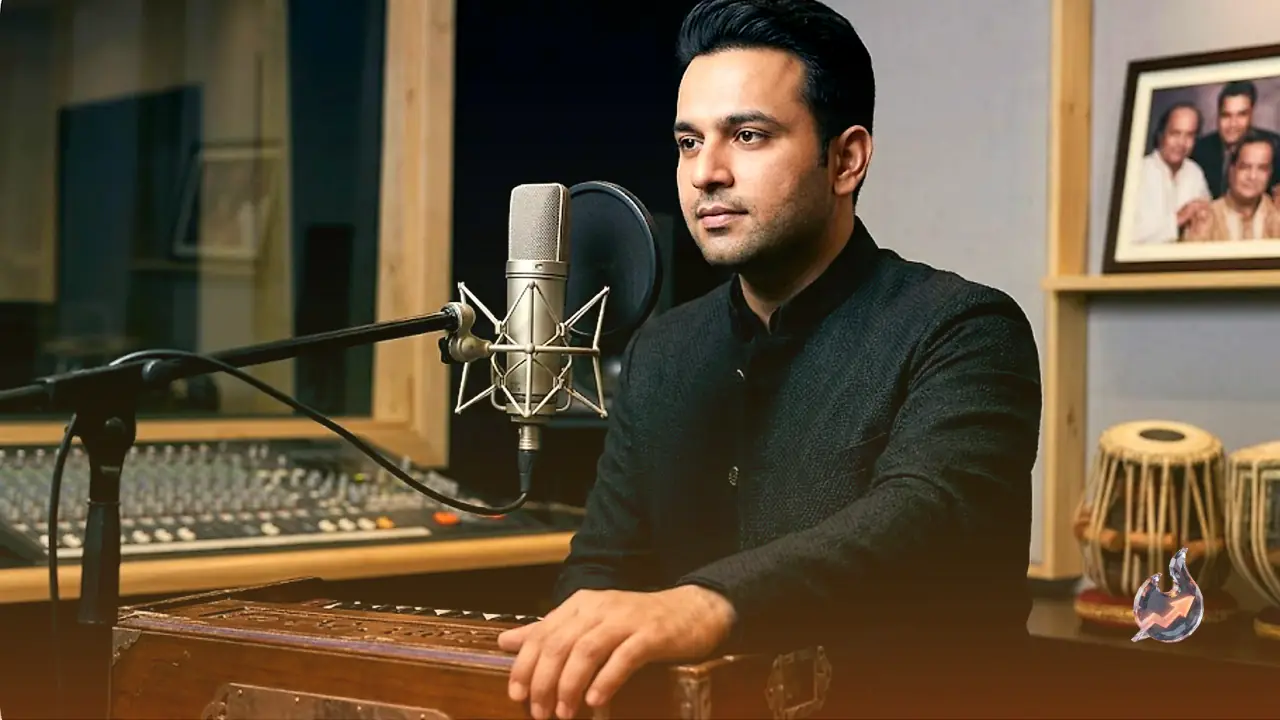
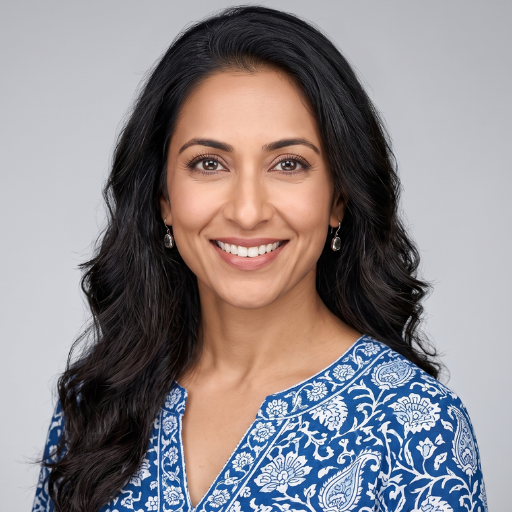
Every time Bollywood blends a Sufi cadence with classical texture, the resulting song tends to find its way straight into listeners' hearts. Playback singer Shabab Sabri, who has lent his voice to several such memorable Hindi film tracks, needs no fresh introduction today. Known for a powerful yet velvety voice that has won over millions of listeners, Shabab Sabri was born on July 6, 1979, in Saharanpur, a historic city in Uttar Pradesh.
A Musical Legacy Passed Down Through Generations
Shabab Sabri comes from a family where music runs in the blood. His father, the late Mohammad Iqbal Sabri, and his uncle, Ustad Afzal Sabri, were counted among the country's most respected Sufi and qawwali singers. It is this very lineage that carried the timeless and evergreen qawwali "Bhar Do Jholi Meri" to stages across the world and gave Sufi music an entirely new stature. Growing up surrounded by this environment, Shabab was drawn to singing from childhood. His family, however, was initially wary of the struggles and uncertainty that come with a career in music, and wanted to keep him away from that world altogether. It was only after they saw his unwavering dedication and melodious voice up close that they decided to have him formally trained in classical music.
A Career That Began at Fourteen
At the age of just 14, Shabab Sabri began learning the finer points of music under Ustad Rashid Khan, a celebrated classical vocalist of the Rampur-Sahaswan gharana. This rigorous, disciplined training went on to become the biggest strength and defining trademark of his singing style. Once his training was complete, he travelled with his father to numerous live shows and qawwali concerts in India and abroad, where he learned the craft of performing on stage and sharpened his singing further.
Moving to Mumbai After His Father's Death
Following his father's untimely death, Shabab Sabri's entire family relocated to Mumbai. The early days in the city of dreams were far from easy for him, but he refused to give up. He began adapting his classical training to fit the mould of film songs, working steadily while searching for the right opportunity.
The Dabangg Song That Changed His Fortunes
In 2010, his perseverance paid off when the noted composer duo Sajid-Wajid recognised his talent. They gave him the opportunity to sing "Humka Peeni Hai" for Salman Khan's blockbuster film Dabangg. The song became an instant favourite at parties and weddings the moment it released, turning Shabab into an overnight sensation in Bollywood. Shabab Sabri has always regarded actor Salman Khan and composers Sajid-Wajid as the godfathers of his career and credits them for this major breakthrough.
The Magic Continued in Salman Khan's Films
After the success of "Humka Peeni Hai," Shabab went on to sing the deeply romantic track "Tere Naina Maar Hi Dalenge" for Salman Khan's Jai Ho (2014). He also proved his versatility with the thumri-style number "Pawan Udawe Batiya" in Veer (2010), demonstrating that he was equally at home with romantic melodies and traditional folk styles.
Superhit Songs for Other Leading Stars Too
Beyond Salman Khan, Shabab Sabri has sung hit songs for several other major stars. He lent his voice to "Nas Nas Mein" from John Abraham's Welcome Back (2015), a song picturised on veteran actors Naseeruddin Shah and Anil Kapoor. He also collaborated with composer Pritam on "Dil Mera Muft Ka" from Agent Vinod, and worked under the musical direction of Himesh Reshammiya on the soulful track "Jalte Diye" from Prem Ratan Dhan Payo, further winning over audiences with his renditions. This body of work shows that Shabab's voice is not confined to one style, but carries equal weight across romance, devotion and tradition.