




















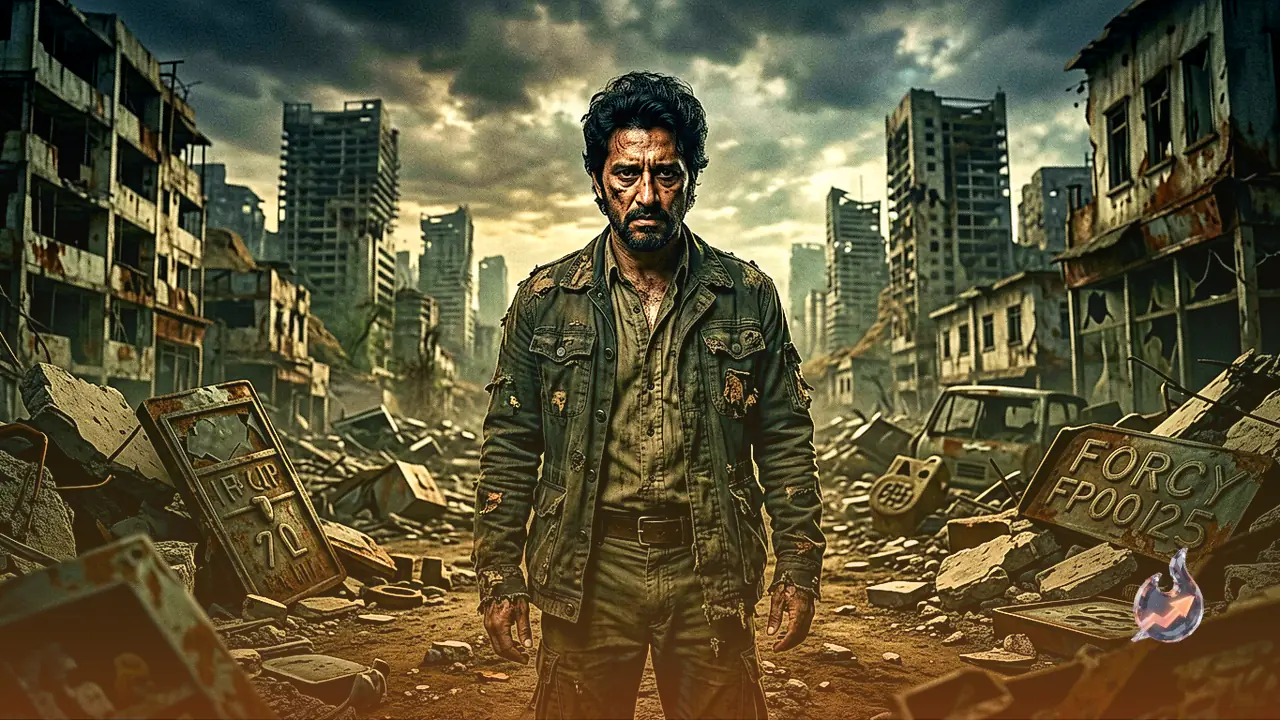

Directed by Vysakh and starring South and pan-Indian star Prithviraj Sukumaran in the lead role, the action drama Khalifa arrived in theaters on August 20. In this comprehensive Khalifa review, we analyze the initial audience reaction and social media consensus following its theatrical premiere. Featuring Neil Nitin Mukesh and Malavika Sharma in key roles alongside a high-profile cameo appearance by legendary actor Mohanlal, the movie has generated energetic discussion across the social media platform X. While moviegoers are universally appreciating Prithviraj's commanding screen presence, muscular physique, and stylish action set-pieces, the film finds itself under intense scrutiny for its derivative script, structural flaws, and emotional distance.
Stellar Screen Presence and Background Score Analysis
Audiences have offered divided perspectives regarding the film's technical craftsmanship and overarching visual scale. Commending the ambitious production values, one viewer wrote on X that while the film boasts a massive visual scope, it strays noticeably from its primary plotline. According to this commentary, Prithviraj Sukumaran elevates every scene through his formidable screen presence and charismatic energy. Furthermore, composer Jakes Bejoy provides a background score that delivers impactful momentum during critical scenes, though it struggles to maintain a uniform intensity across the entire runtime. However, the screenplay falls short of matching the movie's grand scale, leaving the emotional beats feeling unfulfilled and rushed. The reviewer also observed that Mohanlal's cameo appearance functioned more as a fan-service gesture rather than an integral component of the narrative thread.
Praising the lead actor's styling and musical backing, another viewer wrote on X highlighting Prithviraj's toned physique, impressive screen style, and Jakes Bejoy's background score across two main action blocks. Nevertheless, expressing disappointment with the narrative direction, the user pointed out that Neil Nitin Mukesh's portrayal of the central antagonist lacked bite and menacing impact, while Lalettan's (Mohanlal) cameo remained uninspired. Lacking fresh narrative conflicts or intelligent storytelling, the project unfolds as a predictable and outdated smuggling revenge saga that ultimately settles below average marks.
Pacing Concerns and Scriptwriting Deficiencies
The pacing and narrative structure of Khalifa have also emerged as significant points of critique among early viewers. Criticizing the sluggish initial progression, a viewer wrote on X that due to formulaic character setups and a failure to establish immediate viewer connection, the movie requires nearly 40 minutes simply to arrive at its core conflict. Although the sequence leading up to the interval delivered strong dramatic tension and engagement, the remainder of the narrative offered little in terms of originality or genuine cinematic excitement.
Reflecting on broader trends within commercial action cinema, another observer wrote on X drawing attention to an undeniable industry challenge: while the film industry possesses technically accomplished and highly talented directors, there remains a noticeable dearth of screenwriters capable of crafting tightly written, compelling scripts for high-stakes action blockbusters.
Mixed Audience Sentiment and Sharp Critiques
A substantial segment of the audience described their viewing experience as an uneven rollercoaster ride. Summarizing the overall impact of the film, a user wrote on X that Khalifa presents a conflicting mix of strengths and weaknesses. Prithviraj's high-octane action sequences and Jakes Bejoy's musical contributions emerge as the primary highlights, delivering several crowd-pleasing mass moments. Conversely, weak writing and a pronounced lack of emotional depth severely undercut the movie's lingering dramatic impact.
Other cinema enthusiasts expressed even harsher verdicts, stating that it was difficult to determine which core element suffered the most, whether it was the central story, the screenplay, or the overall directorial execution. Critics also noted that the main villain failed to project any formidable threat on screen. Another viewer categorized the movie as an emotionless drama marred by average production values, lazy writing, uninspired dialogue, and flat performances. While Prithviraj put forth a dedicated effort, his character arc suffered from a lack of fresh conceptualization, leaving only the introductory sequence, interval block, and climax as noteworthy segments.
Action Set-Pieces, Jail Fights, and End-Credit Sequence
Despite the prevailing criticisms regarding narrative depth, specific technical sequences managed to earn praise from action enthusiasts. Several viewers pointed out that despite the formulaic storytelling, the house attack sequence and the intense jail fight scene stood out as genuinely engaging moments. While the cameo appearances provided brief fan moments, commentators noted that even an experienced director cannot overcome the limitations of a fundamentally ordinary script.
On a more enthusiastic note regarding the film's climax, a reviewer highlighted that while the overall movie remains average, its end-credit sequence delivers an exciting setup for future possibilities. Director Vysakh chose a relatively straightforward approach for the narrative, though audience feedback suggests that commercial action films of this magnitude demand a far more over-the-top, adrenaline-fueled treatment to leave a lasting impression.