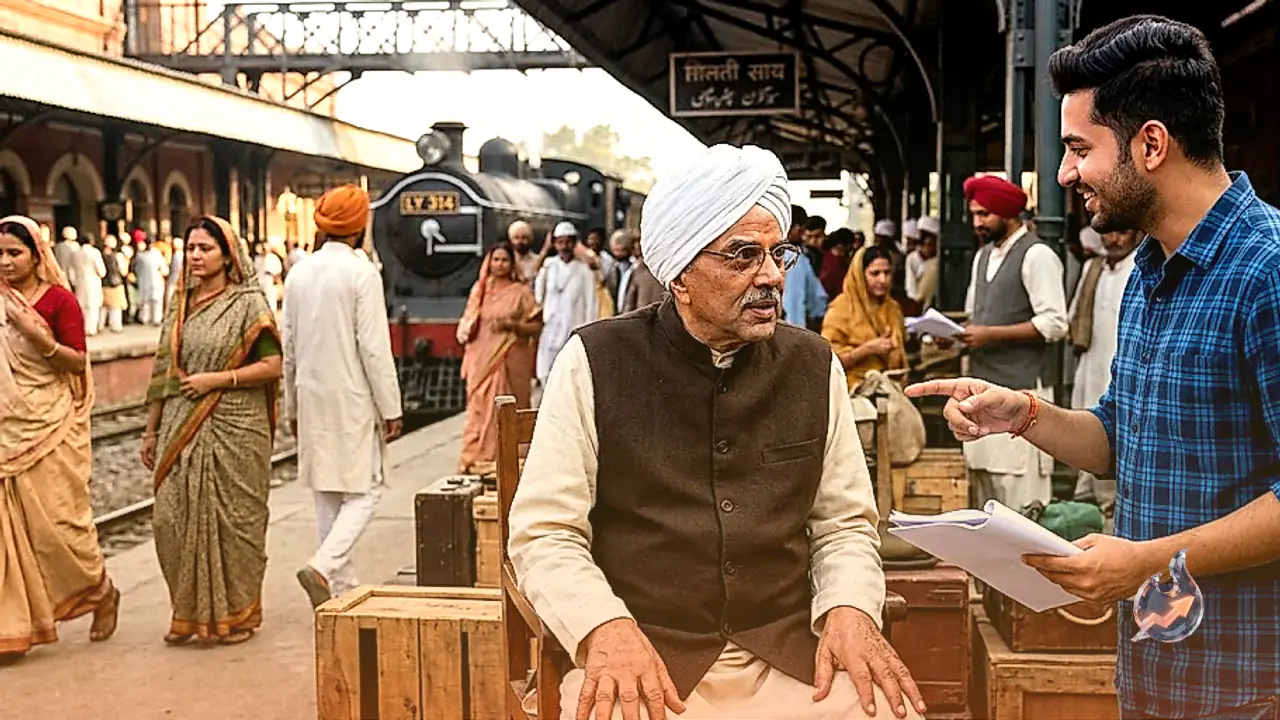






















Manoj Bajpayee is set to portray a retired school teacher and widower in the upcoming adaptation Last Man in Tower, embodying an individual who has spent decades viewing himself as the most principled and dutiful figure within his domestic sphere. Convinced that his life has been a relentless parade of service for his siblings and wider household, he perceives his past choices as unassailable sacrifices made for the collective good. However, when his son confronts him with an entirely different interpretation of those very actions, the moral pedestal upon which he built his identity begins to crumble under heavy emotional scrutiny.
According to Bajpayee, this character navigates reality through an extremely rigid binary of right versus wrong, leaving virtually no room to accommodate intermediate possibilities or compromise. The underlying psychological architecture of the man comes into sharp focus through his interactions with his son. Throughout his adult life, he has strived constantly to present himself as morally superior, viewing his continuous assistance to his brothers as the ultimate validation of family responsibility. Over decades, this relentless compulsion to appear virtuous solidified into an inflexible facet of his personality.
When Assumed Virtue Turns Destructive
In his consuming ambition to be the pillar of virtue and the benevolent protector of his extended family, the protagonist inadvertently neglects the emotional needs and realities of his immediate kin. He operates under the unyielding belief that because he made extensive compromises for his brothers, the entire household owes absolute deference to his judgment. Bajpayee articulated this internal crisis by noting that the character undergoes a seismic shift when his son lays bare how deeply his sanctimonious demeanor has destabilized those closest to him.
At that turning point, the aging teacher is forced to confront the jarring truth that the precise actions he viewed as his supreme virtues were actively generating distress and hardship for the people surrounding him. Human beings frequently grow so enamored with their perceived nobility that they become entirely blind to the ways in which their self-proclaimed goodness imposes emotional strain and practical burdens on others.
Translating Aravind Adiga's Literary Vision to Screen
People routinely rationalize their conduct through a carefully curated narrative, perpetually striving to vindicate their actions to themselves and the world. The true difficulty lies in unvarnished introspection and acknowledging personal missteps. Within the framework of the story, Bajpayee's protagonist is thrust into a situation where he must re-evaluate his deeply entrenched convictions from a radically alien perspective.
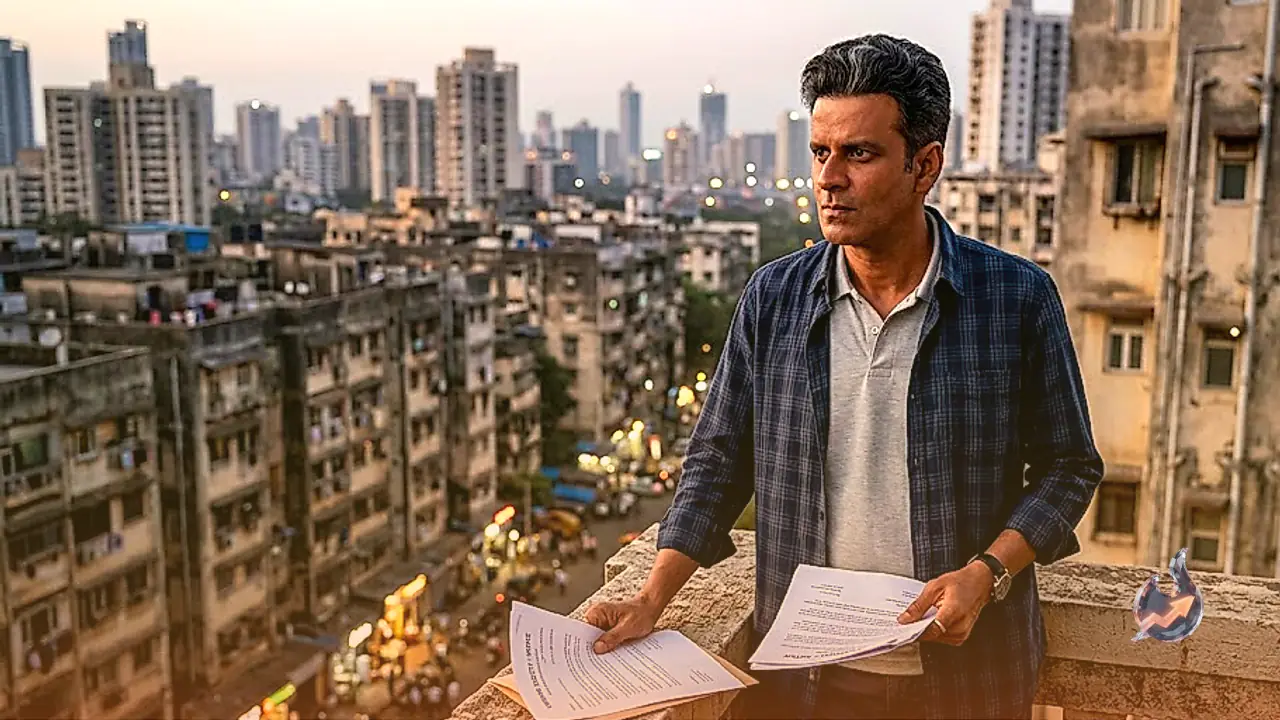
Last Man in Tower takes its narrative directly from author Aravind Adiga's celebrated novel of the exact same title. The events unfold against the frantic urban sprawl of Mumbai, a metropolis undergoing rapid, aggressive redevelopment. The status quo of the protagonist's neighborhood is completely upended when a prominent and wealthy property developer approaches the occupants of an aging residential building, extending a lucrative monetary settlement to vacate their flats immediately.
A Solitary Standoff Against Commercial Modernization
Enticed by the life-altering sums of money offered as compensation, the vast majority of the building's residents eagerly agree to sign away their properties. Manoj Bajpayee's character, however, remains completely steadfast and outright refuses to surrender his home. His stubborn refusal suddenly positions him as the lone obstacle blocking the demolition of the old structure and the subsequent erection of an opulent luxury skyscraper.
Consequently, the narrative evolves far beyond a conventional dispute over bricks and mortar. It develops into an intricate, multi-layered examination of community cohesion, personal integrity, the overwhelming authority of capital, and the fragile illusions individuals construct to preserve their sense of moral righteousness in a shifting society.