





















Boiling an egg might seem like one of the simplest tasks in home cooking, yet it frequently turns into a frustrating experience when the shell suddenly fractures. Whether the crack appears the moment an egg touches the water or midway through heating, the outcome is always messy: egg whites seep into the pot and create unsightly strands floating everywhere. This common issue typically stems from a few widespread kitchen missteps. By understanding the underlying physics and handling mistakes, anyone can consistently boil eggs without cracking them.
Plunging Chilled Eggs Straight into Boiling Water
One of the primary culprits behind burst shells is abrupt temperature shock. When an egg taken straight from a cold refrigerator is dropped into scalding or vigorously boiling water, the sudden leap in temperature creates immense thermal stress. The fragile calcium carbonate shell cannot expand rapidly enough to accommodate the shock, resulting in fractures. To eliminate this risk, always bring refrigerated eggs to room temperature prior to boiling. Allowing them to sit on the kitchen counter for a short while bridges the temperature gap effectively.
Dropping Eggs Carelessly into the Cooking Pot
Mishandling eggs during placement is another frequent cause of damaged shells. Rushing and tossing eggs into the bottom of a pan or dropping them directly on top of other eggs creates microscopic cracks. While these hairline fractures might be invisible to the naked eye initially, the internal pressure generated during heating quickly widens them into large splits. To prevent this, lower each egg into the cookware with deliberate care, ideally placing them gently at the bottom before adding water.
Vigorous Rolling Boils Causing Hard Collisions
Allowing water to boil at maximum heat generates violent bubbling and strong currents inside the pan. This turbulence tosses the eggs around, slamming them repeatedly against the metal walls of the vessel or against each other. These continuous physical impacts inevitably weaken the shell until it shatters. The solution is straightforward: once the water begins to boil, reduce the heat to a steady medium or medium-low setting so that the water simmers gently without aggressive turbulence.
Overcrowding Eggs Inside Small Pots
Packing too many eggs into an undersized container drastically increases the likelihood of structural breakage. When an overcrowded vessel heats up, eggs jostle closely and grind against one another with no room to move freely. Always select a pan that offers sufficient surface area across the base so that all eggs rest flat in a single layer without stacking. Furthermore, ensure there is ample liquid covering the tops of the eggs completely throughout the cooking cycle.
Hidden Hairline Cracks Present Before Cooking
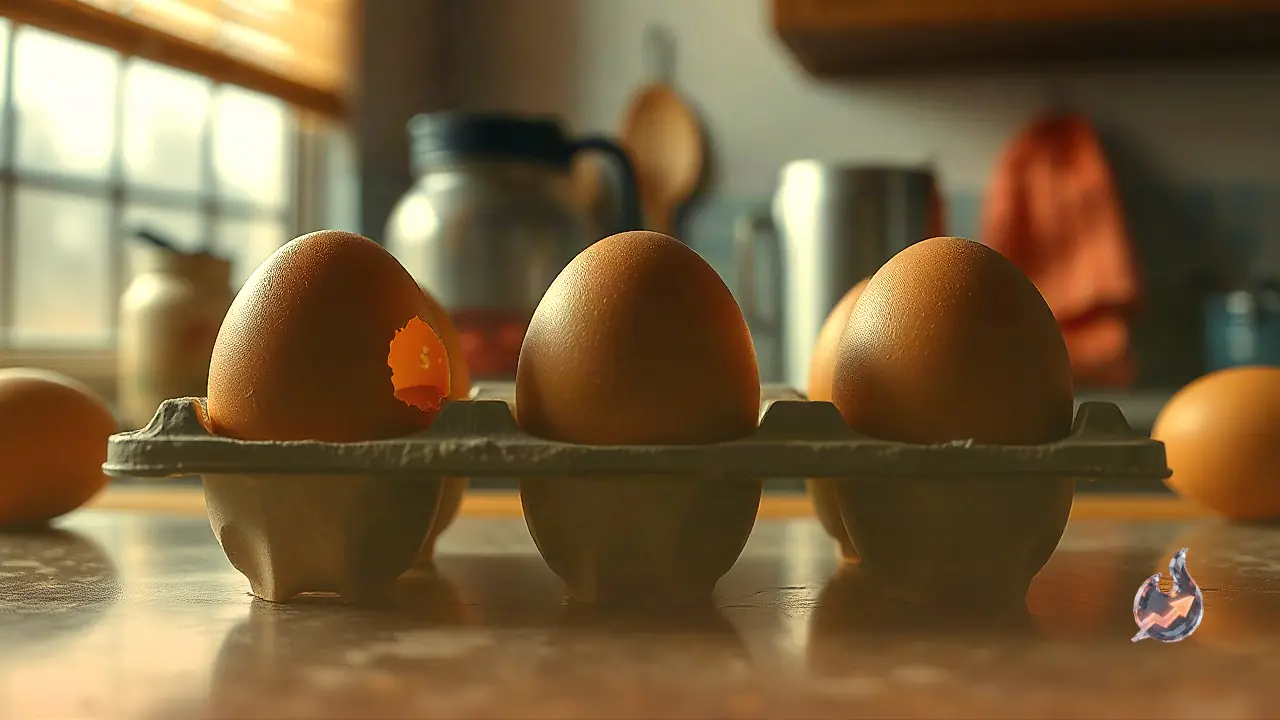
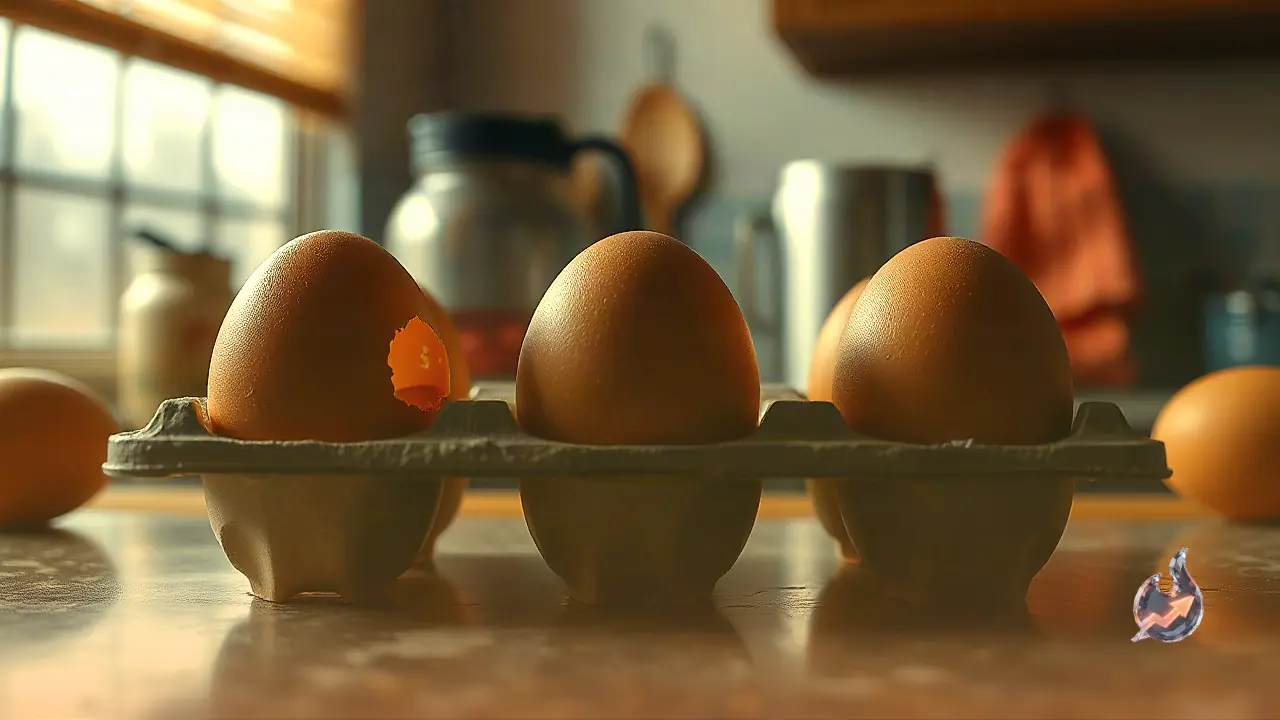
Sometimes the root problem occurs well before the egg reaches the stove. Eggs can develop minuscule fissures during transportation, packaging, or handling in the refrigerator. While seemingly intact at first glance, these damaged shells will inevitably split wide open once heated water expands the air pocket inside. It is wise to inspect every egg thoroughly under bright light before cooking; any egg exhibiting even the slightest visible fissure should be set aside rather than boiled.
The Step-by-Step Method for Intact Boiled Eggs
The most dependable way to prevent cracked eggs begins with reversing the conventional water sequence. Place your room-temperature eggs gently at the bottom of the pot first, and only then pour in room-temperature water until the eggs are submerged completely under an adequate water level. Place the pot on the burner and raise the heat gradually rather than shocking the eggs with boiling liquid. Maintain medium heat and adjust the temperature as needed. Once fully cooked, immediately transfer the eggs into cold water to halt the internal cooking process, which also helps the shells separate cleanly later.