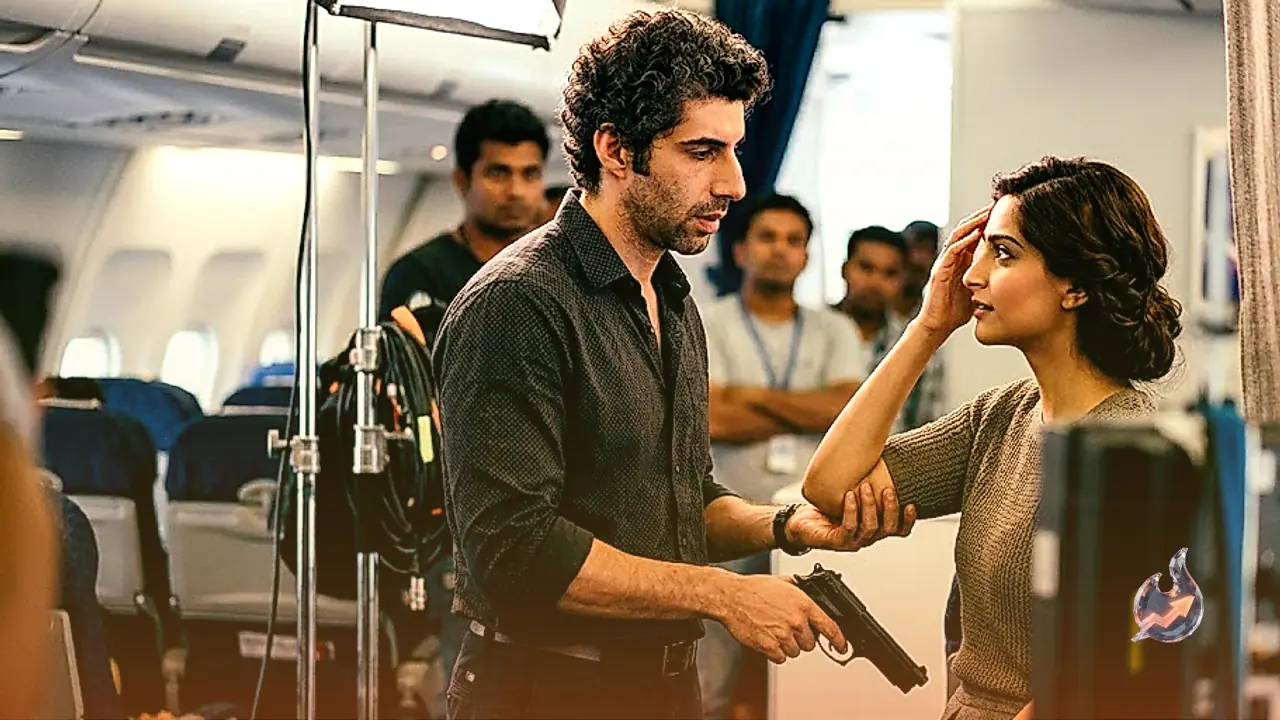























Catching a movie on the big screen in Mumbai could soon become noticeably more expensive for audiences across the city. The Brihanmumbai Municipal Corporation (BMC) has put forward a proposal to increase the entertainment tax levied on cinema halls and performing arts venues by as much as 570 percent. While the civic body aims to shore up its municipal finances through the move, industry professionals are already weighing in on how the added burden could trickle down to audiences. Actor Suhail Nayyar, currently promoting his upcoming feature film Udta Teer, addressed the proposed revision, pointing out that ticket rates are bound to climb if the steeper levies take effect, though he noted that the plan remains strictly a proposal for now.
Suhail Nayyar on Escalating Ticket and Concession Costs
During interactions surrounding his film campaign, Suhail Nayyar spoke candidly about the mounting financial strain on cinema enthusiasts. Sharing his immediate assessment of the situation, Nayyar remarked,
"I think movie tickets are going to get expensive."He went on to highlight how high concession prices have already become inside auditoriums, observing that buying a tub of popcorn often ends up costing patrons substantially more than the admission ticket itself.
At the same time, the actor cautioned against jumping to conclusions before authorities take a definitive call. He pointed out that policy landscapes frequently shift and that there is always a chance the higher levies might not be implemented at all. For now, he suggested waiting to see how state urban administrators respond to the civic proposal before assessing the actual commercial fallout.
Understanding the Revised Tax Slabs Across Venues
Under the revised structure framed by the civic body, multiplex chains face the sharpest adjustment, with entertainment tax proposed to jump from the existing rate of 60 rupees per show to 400 rupees per show. The draft does not restrict itself to premium multiplex properties; it also introduces dedicated levies for traditional single-screen theatres. Air-conditioned single-screen movie halls are slated to pay 200 rupees for each screening under the plan. Furthermore, public theatrical productions, jalsas, and allied live entertainment programs are slated to attract a levy of 100 rupees per show.
Crucially, the civic body cannot enforce these enhanced figures on its own authority. The entire proposal currently awaits formal clearance from the Urban Development Department of the Maharashtra state government. Until the state machinery officially reviews, approves, and notifies the revised rate card, theatres and cultural venues across Mumbai will continue to operate under the prevailing tax framework.
Civic Revenue Targets and Cultural Exemptions
The municipal corporation has framed this fiscal adjustment as a major avenue to expand its internal collections. By overhauling the entertainment tax grid, the civic body aims to generate an estimated 400 to 500 crore rupees in additional revenue each financial year. Even as the administration seeks higher revenue from mainstream screenings, it has maintained specific carve-outs to support regional creative traditions. The draft framework retains full tax exemptions for Marathi and Gujarati language films, community stage plays, and one-act theatrical performances.
Meanwhile, Suhail Nayyar remains focused on the promotional circuit for Udta Teer, which has generated sustained anticipation among cinephiles. The film is officially scheduled to arrive in theatres on October 9, even as the broader film distribution circuit closely tracks the state government's impending decision on entertainment taxes.