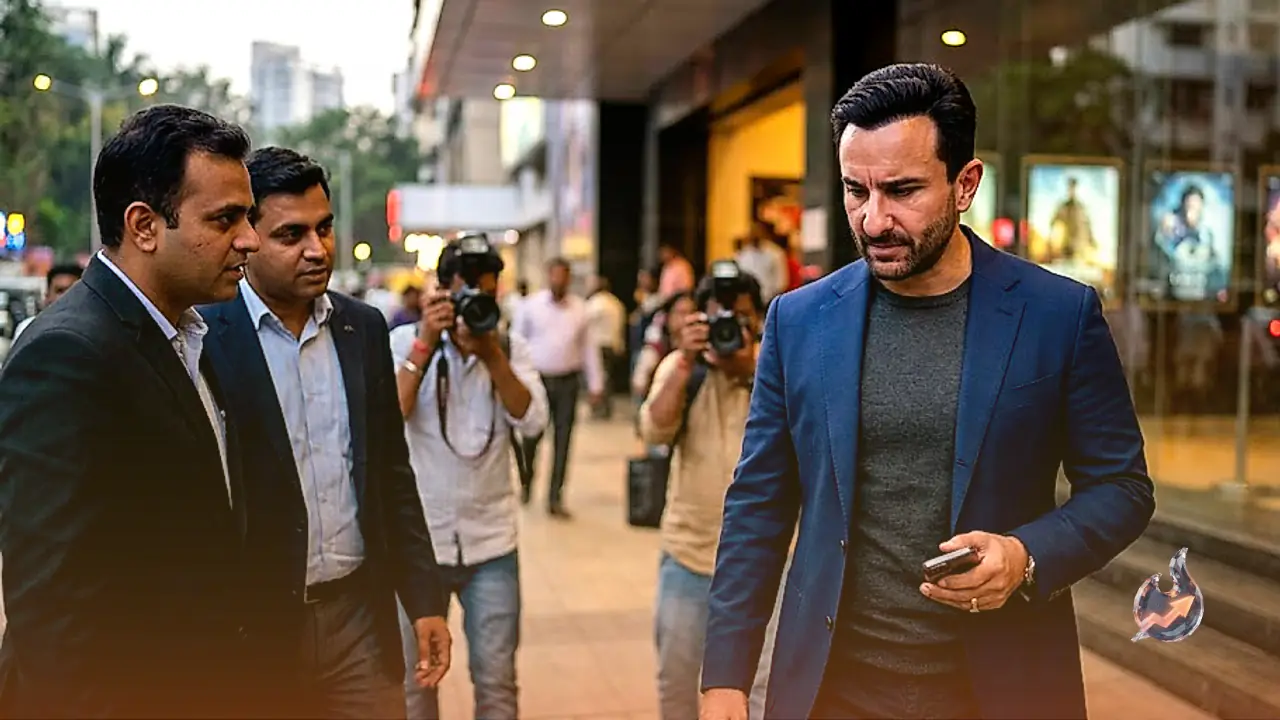





















Actor Swara Bhasker has once again found herself at the center of intense public discourse following the resurgence of an old video clip on social media platforms. In the recording, she is seen discussing her deeply personal reaction to the Supreme Court of India's landmark 2019 verdict on the long-standing Ram Janmabhoomi-Babri Masjid title dispute. The renewed circulation of her remarks has triggered contrasting debates among netizens regarding judicial decisions and personal expression.
Expressing Regret to Contacts Across the Film Fraternity
In the widely circulated video, Swara Bhasker explains that the announcement of the Ayodhya verdict left her profoundly unsettled, disheartened, and unable to reconcile with the judicial outcome. She stated that the ruling, which granted the disputed site to the Hindu litigants, did not sit right with her conscience. Explaining her emotional reaction at the time, she recounted how, as a Hindu, she felt compelled to reach out directly to Muslim individuals listed in her personal phone directory.
Among those she messaged were prominent film industry figures such as Aamir Khan, Shah Rukh Khan, and Salman Khan, as well as Fahad Ahmad. Bhasker noted that she sent messages conveying her explicit disagreement with the verdict, communicating to them that she was deeply sorry about the outcome and felt a strong sense of personal embarrassment over the development.
Divided Reactions on Judicial Authority and Free Speech
The public re-emergence of her statement has polarized opinion across digital networks. Critics argue that openly questioning and expressing shame over a verdict delivered by the country's highest judicial authority amounts to a disregard for the judicial system. They maintain that the Supreme Court arrived at its conclusion following a comprehensive examination of historical evidence, archaeological findings, and rigorous legal arguments, making public contention counterproductive.
Conversely, supporters contend that in a constitutional democracy, every citizen retains the fundamental right to hold and voice personal reservations regarding public events and institutional rulings. They argue that articulating subjective disagreement or emotional distress aligns with the principles of free speech, regardless of whether those individual sentiments conform to prevailing majority opinion.
Key Aspects of the November 2019 Supreme Court Ruling
The protracted Ayodhya dispute was brought to a legal resolution on November 9, 2019, when a five-judge Constitution Bench of the Supreme Court delivered an exhaustive, unanimous judgment. The apex court ruled that the entire disputed parcel of 2.77 acres of land be handed over for the construction of a temple dedicated to Ram Lalla Virajman. Simultaneously, the court directed the government to allot an alternative plot of 5 acres within Ayodhya to the Sunni Waqf Board for the construction of a mosque.
In its comprehensive legal assessment, the Constitution Bench explicitly observed that both the clandestine placement of idols inside the structure in 1949 and the subsequent demolition of the Babri Masjid in 1992 constituted serious violations of the rule of law. However, evaluating the continuous possession, historical claims, and evidential records, the bench formally upheld the legal right of Ram Lalla over the disputed acreage.