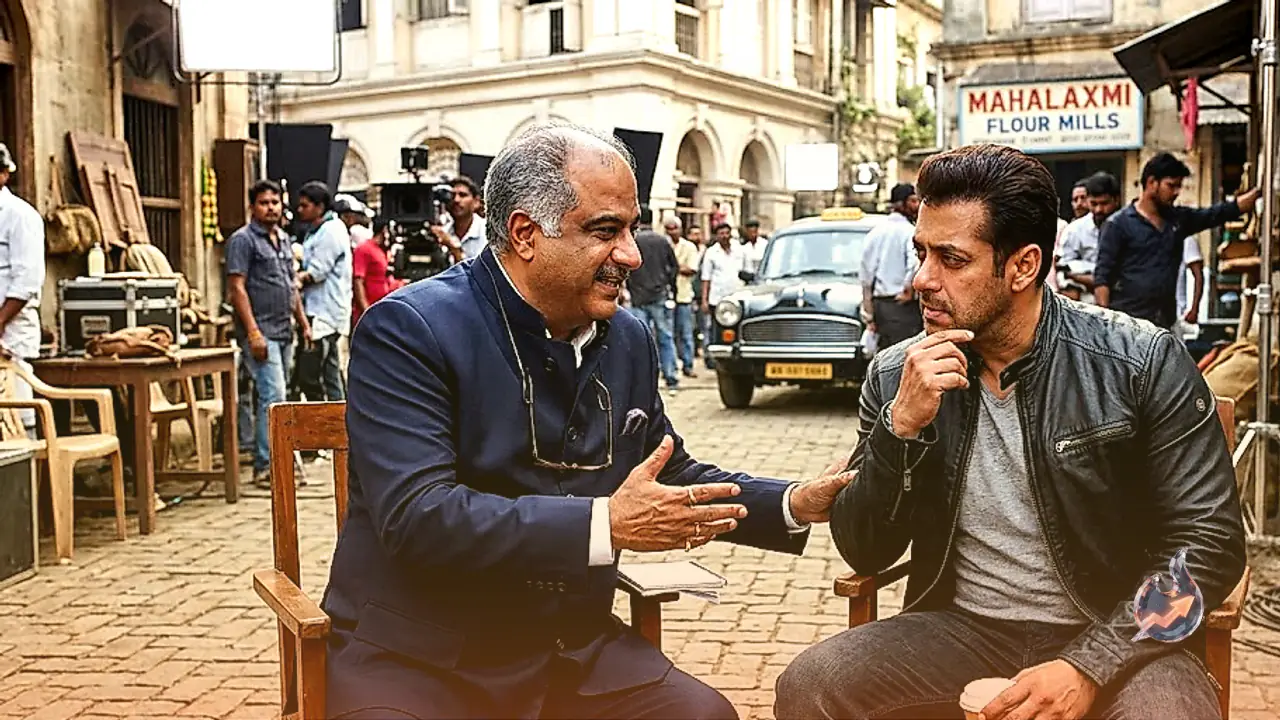
























During the process of filmmaking, unexplainable occurrences sometimes arise that creators cannot easily dismiss as ordinary coincidences. A striking development of this nature has surfaced around Hanuman Ansh, a cinematic work drawing upon the life episodes and spiritual presence of revered mystic Neem Karoli Baba. Producer Vishal Chaturvedi had conceived and structured an emotionally charged sequence and musical piece titled Parvati Ke Hath around a single mystical folklore associated with the saint. At the time of writing, the creative team possessed knowledge of only one isolated anecdote. However, once production wrapped and the completed scene was screened for Neem Karoli Baba's daughter, her unexpected revelation left the entire filmmaking crew astonished.
Domestic Responsibilities Meet Ascetic Detachment
The narrative of Hanuman Ansh delves deeply into the personal and worldly life of Neem Karoli Baba, specifically shining a spotlight on his wife, Rambeti. The film explores the profound emotional conflict that emerged between the routine burdens of running a household and the mystic's consuming spiritual calling. As a dedicated homemaker, Rambeti naturally harbored expectations of companionship, affection, and devoted time from her husband. In contrast, Baba devoted nearly all his daily waking hours to rigorous spiritual discipline and selfless public service.
This ongoing friction between everyday household responsibilities and ascetic detachment comes to a head in a poignant sequence where Rambeti confronts him in the middle of domestic chores. Her grievance is portrayed not as petty domestic irritation, but as an authentic emotional plea grounded in deep devotion, questioning the imbalance within their shared worldly existence.
The Sprouting Mustard Seeds and a Moment of Awakening
To answer his wife's mounting emotional distress, Neem Karoli Baba performed a gesture that shattered all conventional boundaries of physical reality. He placed a few grains of mustard seeds directly upon his tongue. Within moments, the dormant seeds sprouted, rapidly growing into foliage right before her eyes. This miraculous display instantaneously dissolved Rambeti's worldly grievances. In that transformative moment, she realized with clarity that the man before her was not an ordinary mortal bound by conventional domestic ties, but an elevated spiritual entity walking among humanity.
Vishal Chaturvedi had carried this specific folklore of the mustard seeds in his memory for years. Among the numerous legends surrounding the mystic's spiritual powers, the mustard seed manifestation stands out as uniquely compelling. Seeking to ground the dramatic narrative, Chaturvedi wove this lore into the film's screenplay to support the Parvati Ke Hath sequence, treating it as an effective dramatic vehicle to showcase divine intervention.
Daughter Confirms the Reality Behind the Shivalinga Penance
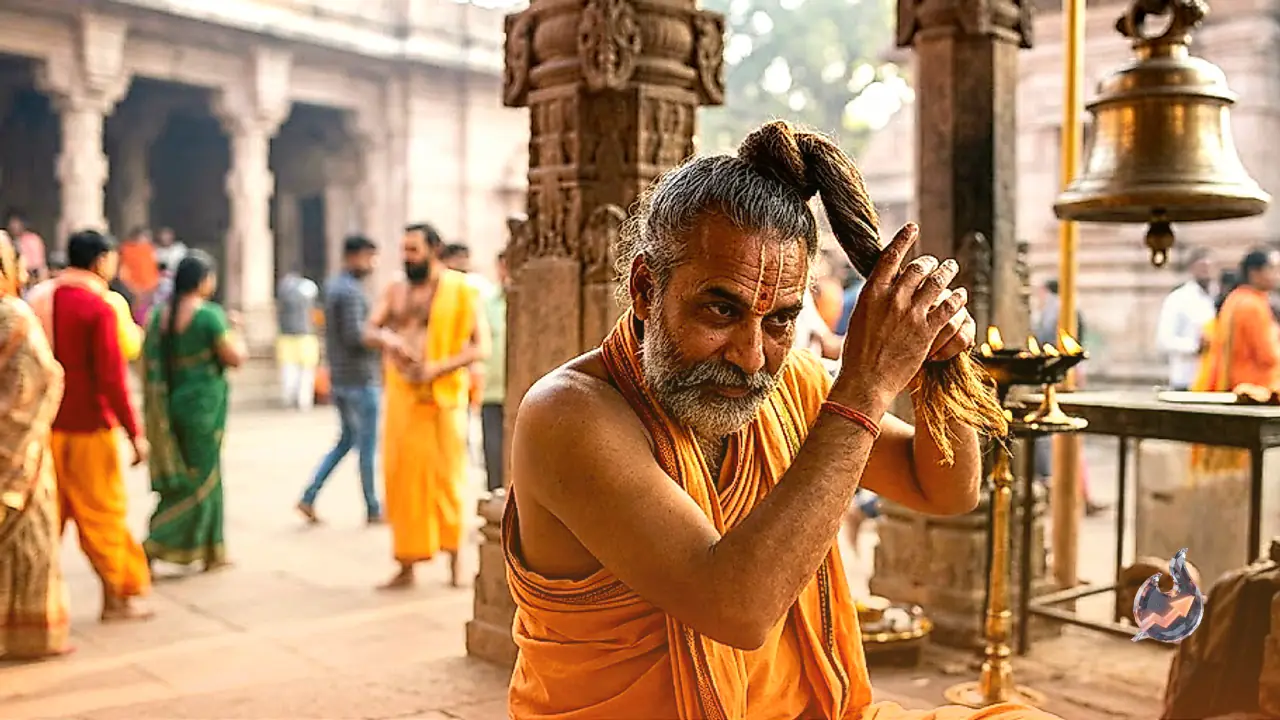
The true surprise occurred only after the final edit had been completed. When Vishal Chaturvedi presented the finalized footage to Neem Karoli Baba's daughter, she shared a historical family reality of which the production team had no prior knowledge. She disclosed that Rambeti had undertaken intense, resolute penance directly in front of a Shivalinga in exact alignment with how the film depicted Parvati undertaking her austere vow.
The creative team had designed the Shivalinga meditation purely as a poetic and symbolic parallel, drawing an artistic metaphor to Goddess Parvati's mythological determination. Discovering that their fictional visualization mirrored an actual historical chapter preserved within the saint's private family history moved Chaturvedi profoundly. The realization that an intuitive cinematic invention matched reality so accurately transcended the realm of mere narrative chance.
Where Dramatic Imagination Converges with Real History
This remarkable synchronicity has established the Parvati Ke Hath sequence as one of the most talked-about highlights of Hanuman Ansh. The narrative simultaneously balances two powerful themes: the vulnerable, human complaints of a wife navigating an extraordinary marriage, and the transcendent spiritual weight signified by the mustard seed miracle.
Ultimately, Parvati Ke Hath stands as a rare artistic milestone where the instincts of cinematic storytelling intersected seamlessly with historical reality. The sequence demonstrates how a filmmaker's intuitive creative exploration can inadvertently capture the exact emotional and spiritual essence of actual historical events preserved across generations.