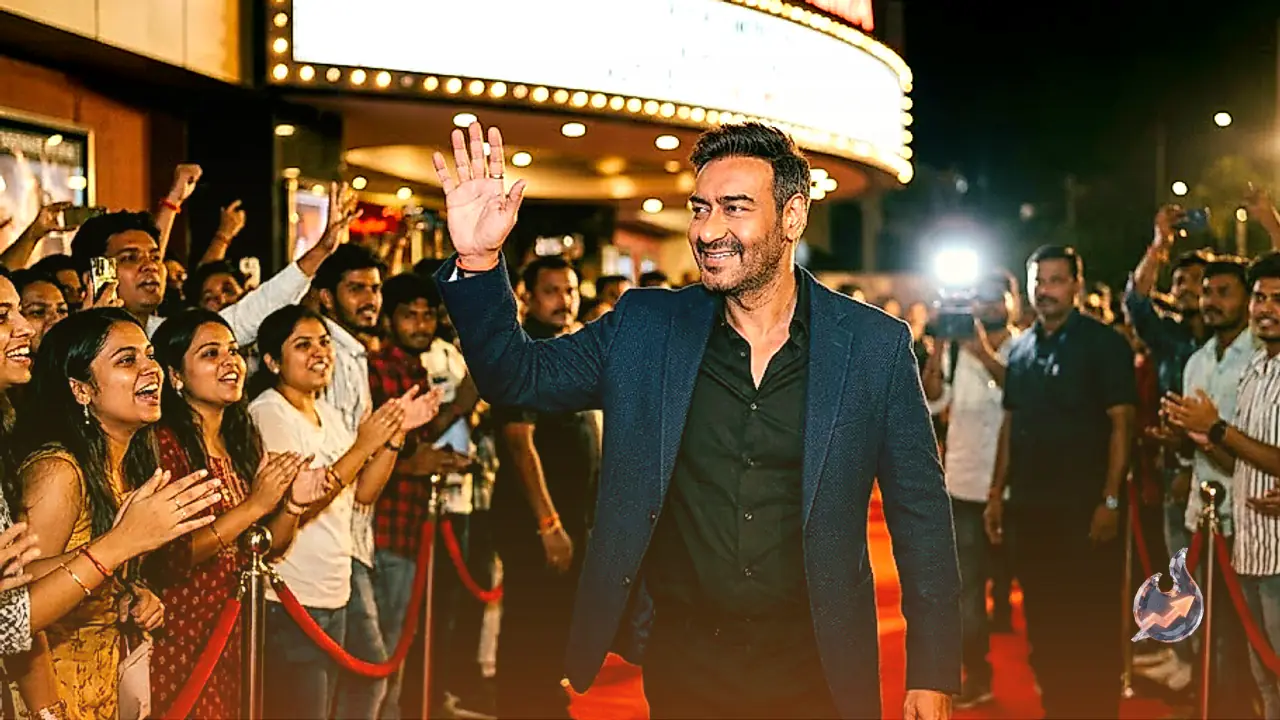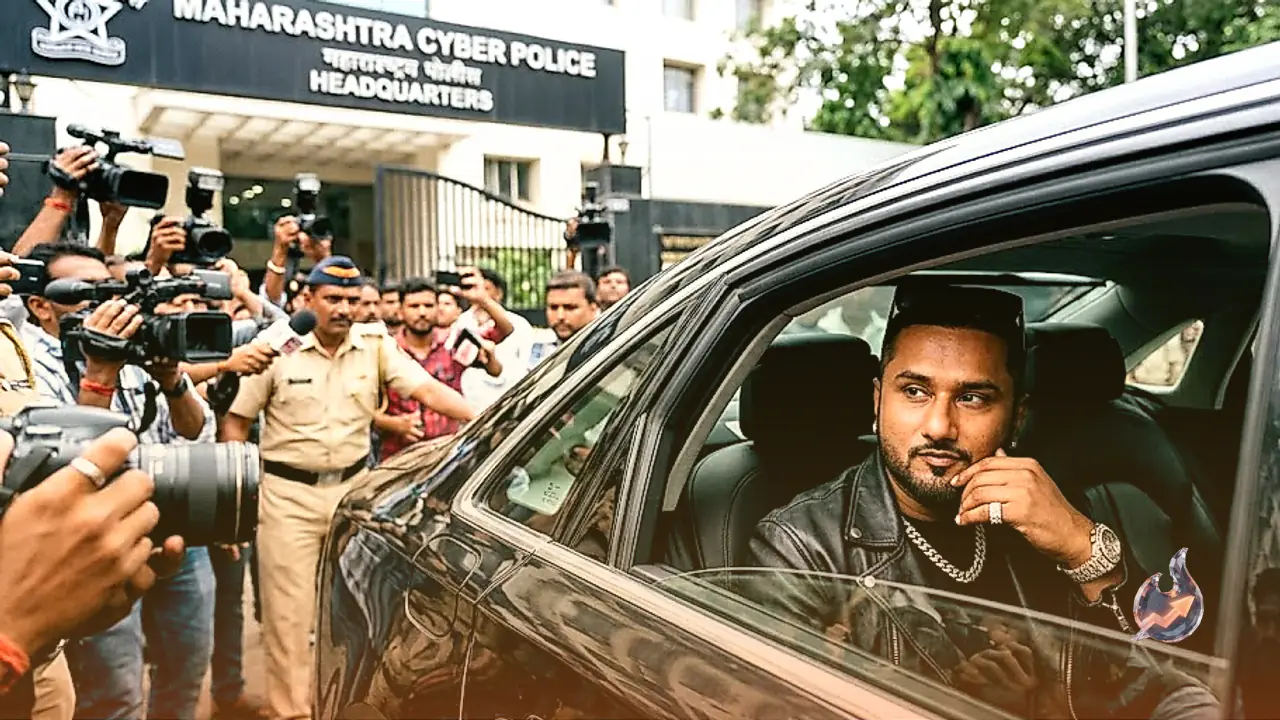





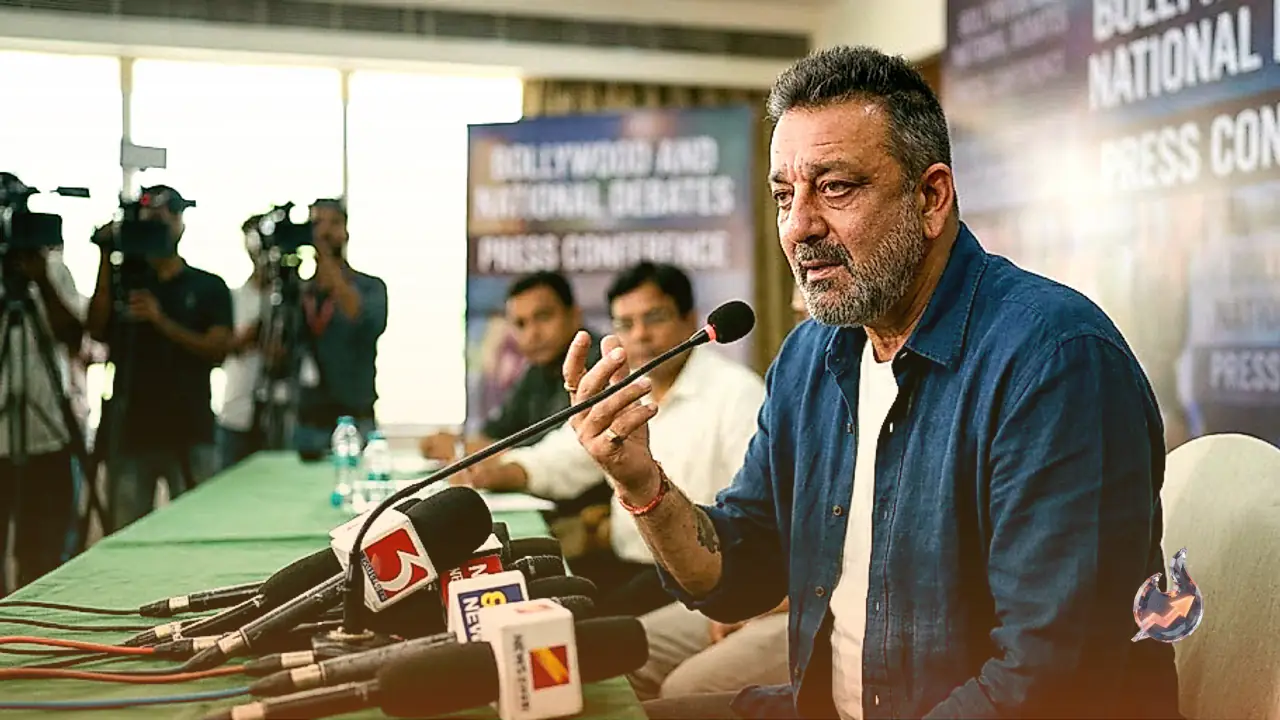















Prominent film star Sanjay Dutt has found himself at the center of public attention following comments regarding the nation's social atmosphere. Appearing on Shekhar Suman's talk show 'Shekhar Tonight' on the occasion of Gandhi Jayanti, the actor candidly shared his thoughts on the current situation in the country. During the conversation, he stated that peace must prevail across India, while noting that he no longer experiences the same sense of tranquility that once defined the nation. The remarks instantly ignited debates across social media networks, drawing significant criticism towards the actor.
Sanjay Dutt Issues Clarification Following Online Backlash
As criticism mounted, the actor moved quickly to address the controversy and clear the air. Sanjay Dutt explained that the entire interaction featured on the program was scripted and that he harbored no intention of hurting the sentiments of any individual, community, or institution. However, he is far from the only mainstream Hindi film personality to encounter severe backlash over public observations about the country. Celebrated figures like Shah Rukh Khan, Aamir Khan, and Naseeruddin Shah have previously weathered intense public storms over similar comments on social realities.
Shah Rukh Khan on Intolerance and the Resulting Backlash
Back in 2015, Shah Rukh Khan shared his perspective during an interview regarding what he perceived as growing intolerance across the nation. The actor noted that he felt intolerance was on the rise, a statement that immediately triggered widespread political and social outrage. The hostility escalated to the point where certain critics publicly suggested that he and his family should relocate to Pakistan. The intense pushback eventually prompted the actor to release a clarification.
Shah Rukh Khan explained that he had never labeled India an intolerant country and maintained that his remarks had been taken completely out of context. The star openly shared that the entire episode caused him considerable distress and personal hardship. Alongside his explanation, he urged the youth of the nation to focus their energies on strengthening India as a secular and developing country.
Aamir Khan Recalls Kiran Rao's Concerns Over Family Safety
Also in 2015, actor Aamir Khan voiced his personal anxieties about the social climate while speaking at the Ramnath Goenka Awards ceremony. He reflected on how reading reports of various distressing incidents in daily newspapers had left him deeply unsettled. Aamir disclosed that he frequently discussed these developments at home with his wife, Kiran Rao. According to him, she was deeply worried about their children's future and the surrounding social environment, leading her to ask whether they should consider leaving India altogether.
The revelation ignited immense public fury directed at both Aamir Khan and Kiran Rao. Following the massive uproar, Aamir clarified unequivocally that neither he nor his wife had any plans or desire to abandon the country. Reaffirming his deep allegiance, he stated that India is his homeland, that he loves it unconditionally, and that he considers himself fortunate to have been born here and to continue residing here.
Naseeruddin Shah Backs Protesting Students in Video Message
Veteran actor Naseeruddin Shah has similarly earned a reputation for expressing outspoken views on political and governance matters. More recently, he released a video message addressing student protests held at Jantar Mantar and the subsequent official action taken against the demonstrators. In the footage, the veteran artist made sharp observations concerning the government and national leadership while extending heartfelt solidarity to the students.
Naseeruddin Shah shared that he learned more about the craft of acting from the young people he attempted to teach than from anywhere else, offering his unconditional backing and best wishes to the demonstrating youth. The video drew mixed responses across digital platforms, illustrating how statements by leading cinematic figures regarding tolerance, governance, and national mood inevitably draw both passionate support and fierce criticism.