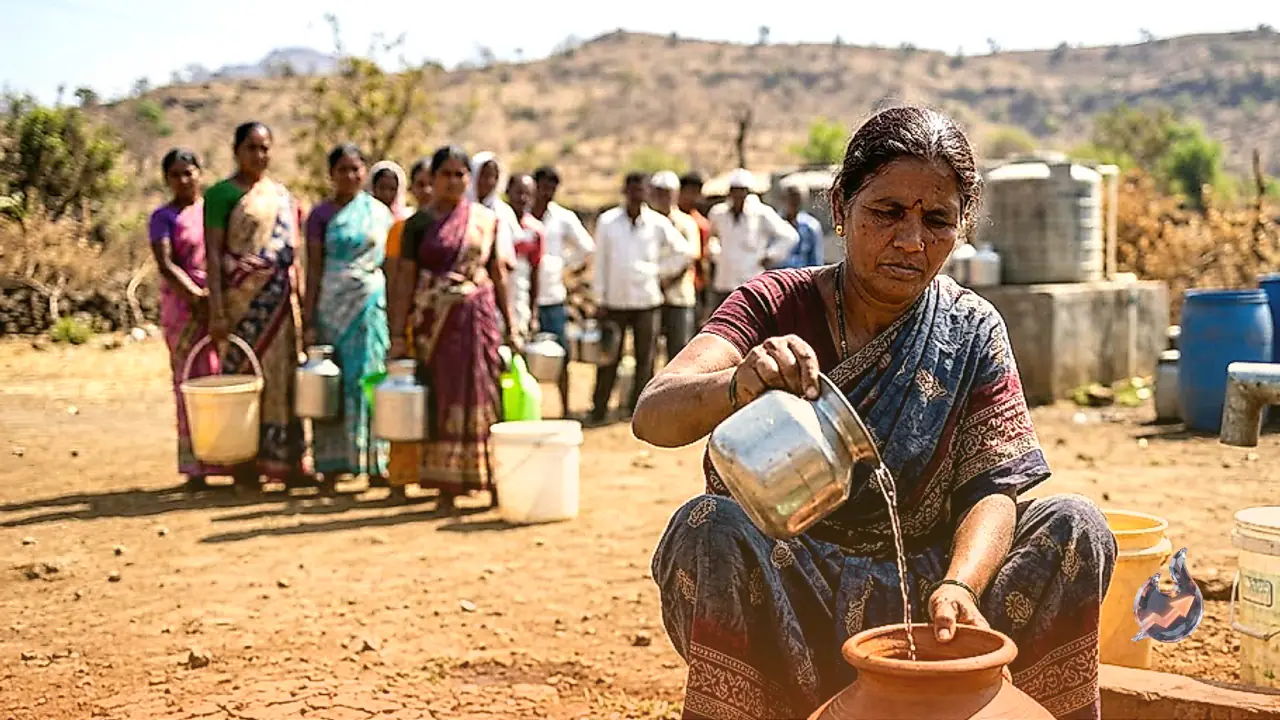







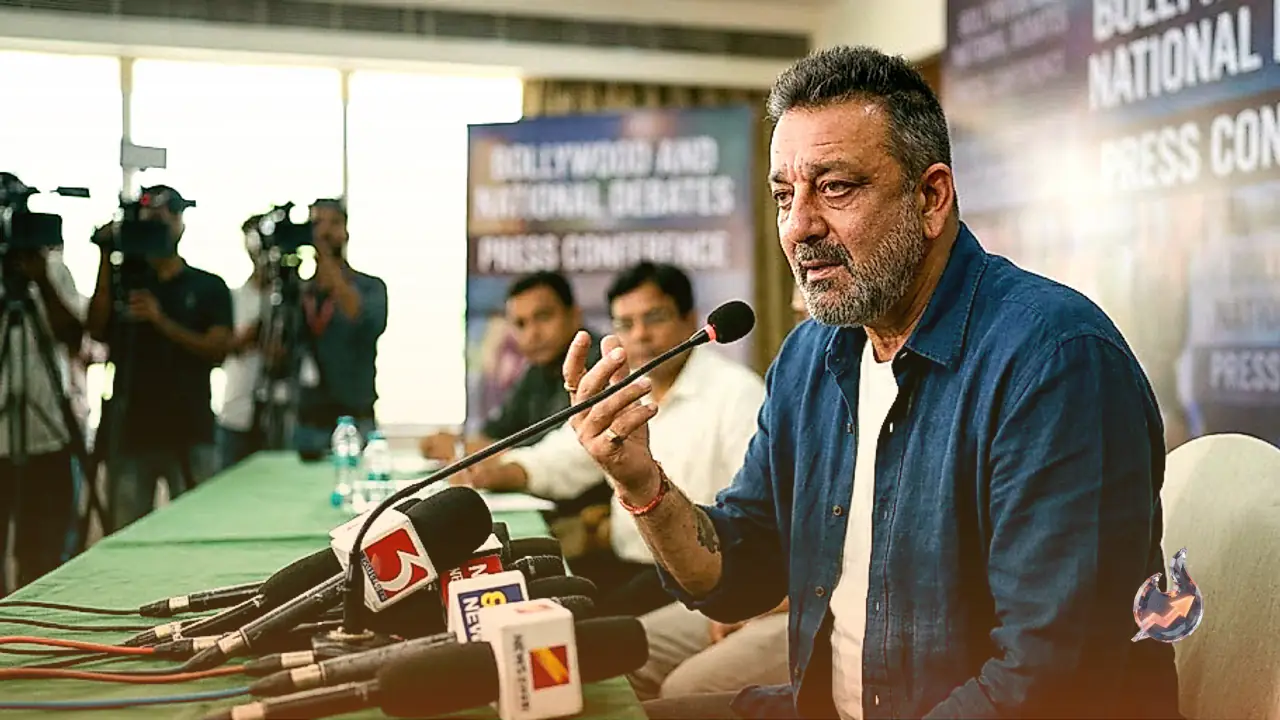














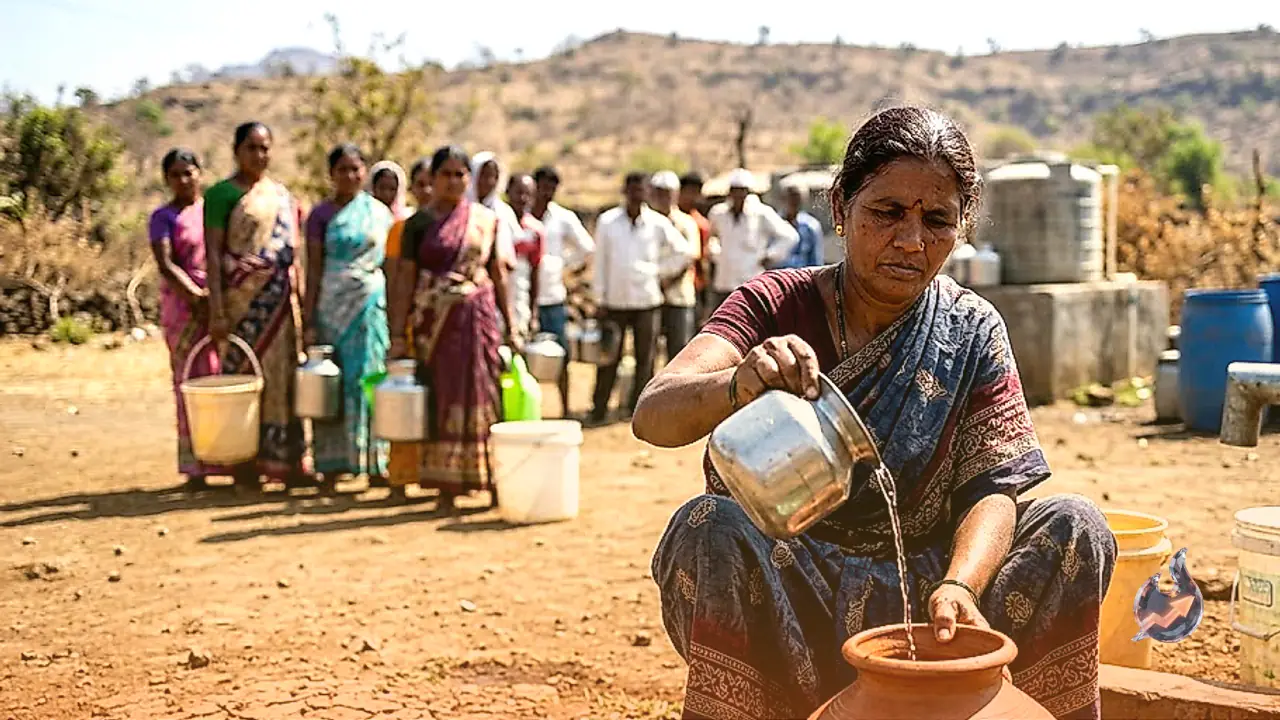

A weak monsoon combined with adverse El Nino patterns has escalated the risk of drought conditions across Maharashtra, prompting state authorities to roll out urgent conservation measures. Water Resources Minister Girish Mahajan announced on Monday that a mandatory 10 percent cut in water supply will come into effect from October 16, 2026, covering every urban and rural civic body. The directive applies uniformly across all village panchayats, municipal councils, and municipal corporations. A similar 10 percent curtailment had previously been enforced in Mumbai on May 15 earlier this year.
Long-Term Conservation Blueprint Through August 2027
To ensure reserves last through anticipated deficits, the Water Resources Department has drawn up a dam-by-dam utilization plan extending up to August 31, 2027. The calculation takes into account ongoing El Nino disruptions and prolonged dry spells across various basins. Mahajan stressed that securing drinking water remains the administration's foremost priority, making immediate rationing across municipal networks indispensable for preserving base supplies.
Plugging Distribution Leaks and Maximizing Sewage Treatment
Civic administrations have been directed to launch focused inspections to halt transit wastage and pipeline leaks. Alongside leak detection drives, sewage treatment plants across cities have been ordered to run at full operating capacity. By treating wastewater effectively, municipalities aim to maximize treated water reuse for secondary purposes, thereby easing the load on potable reservoirs.
Mandatory 30 Percent Water Recycling for Industries
Industrial consumers are also facing stringent consumption mandates under the new framework. The state government has instructed manufacturing and industrial facilities to recycle and reuse at least 30 percent of their daily water intake. This target is aimed at cutting commercial dependence on fresh surface water sources and preserving existing dam capacities.
Dedicated 10 Percent Emergency Reserve in Every Dam
To hedge against unforeseen weather extremes, dam operators will maintain an additional 10 percent emergency buffer stock in each reservoir. Reservoir management models have factored in seasonal evaporation losses, siltation margins, and unauthorized drawdowns to safeguard residential drinking quotas until the end of August 2027.
Revised Hierarchy for Water Releases
The state has established a clear sequence of allocations for releasing stored water. Potable supplies for citizens, domestic livestock, and animal fodder will take precedence before any canal gates open for farm irrigation. Further allocations to the agricultural sector will depend entirely on storage metrics evaluated after primary survival needs are met.
Crackdown on Unlawful Extraction and Joint Patrols
Stringent deterrence measures have been instituted to stop theft from rivers, canals, and reservoirs. Surveillance units comprising personnel from the water resources wing, revenue officials, and local police will conduct coordinated field patrols. Authorities will promptly seize pumps, pipelines, and associated machinery found drawing water without official clearance.
Multi-Departmental Task Force Oversees Readiness
State governance machineries are mounting a coordinated response, with the water resources, revenue, agriculture, industries, and urban development wings maintaining shared oversight. Mahajan urged residential communities as well as government offices to adopt prudent consumption habits and prevent avoidable waste during the dry months ahead.