






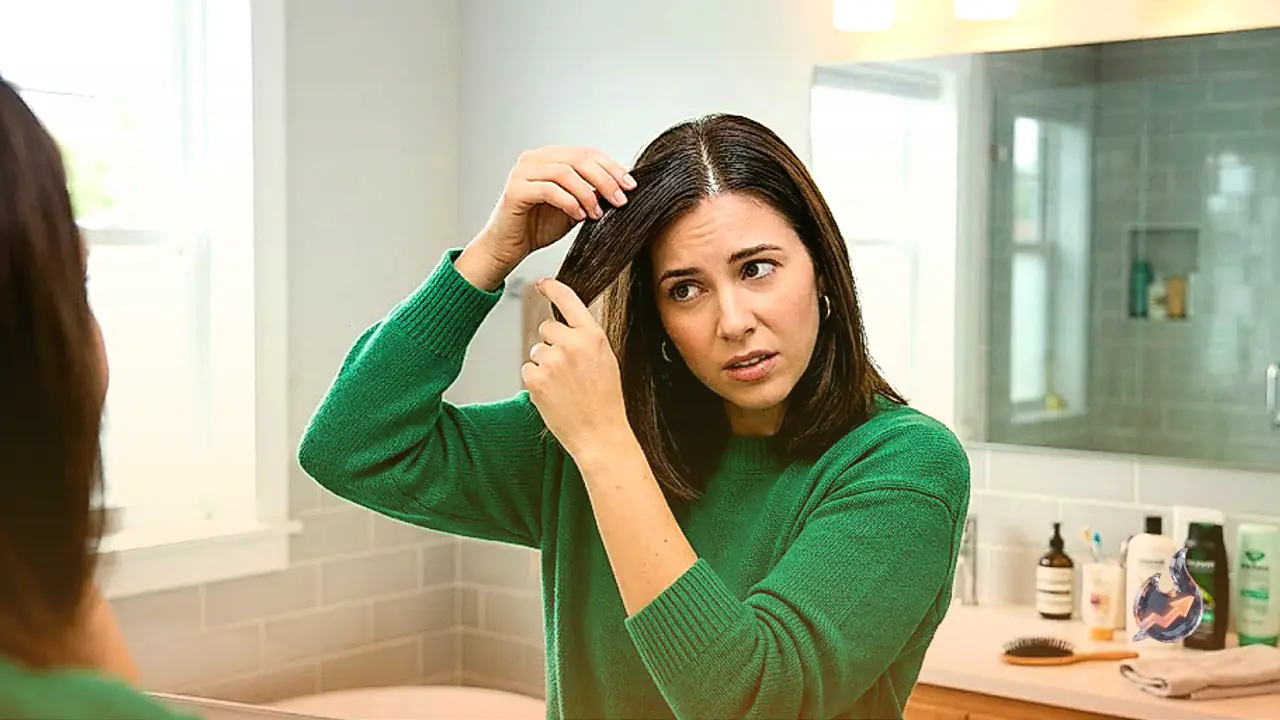
















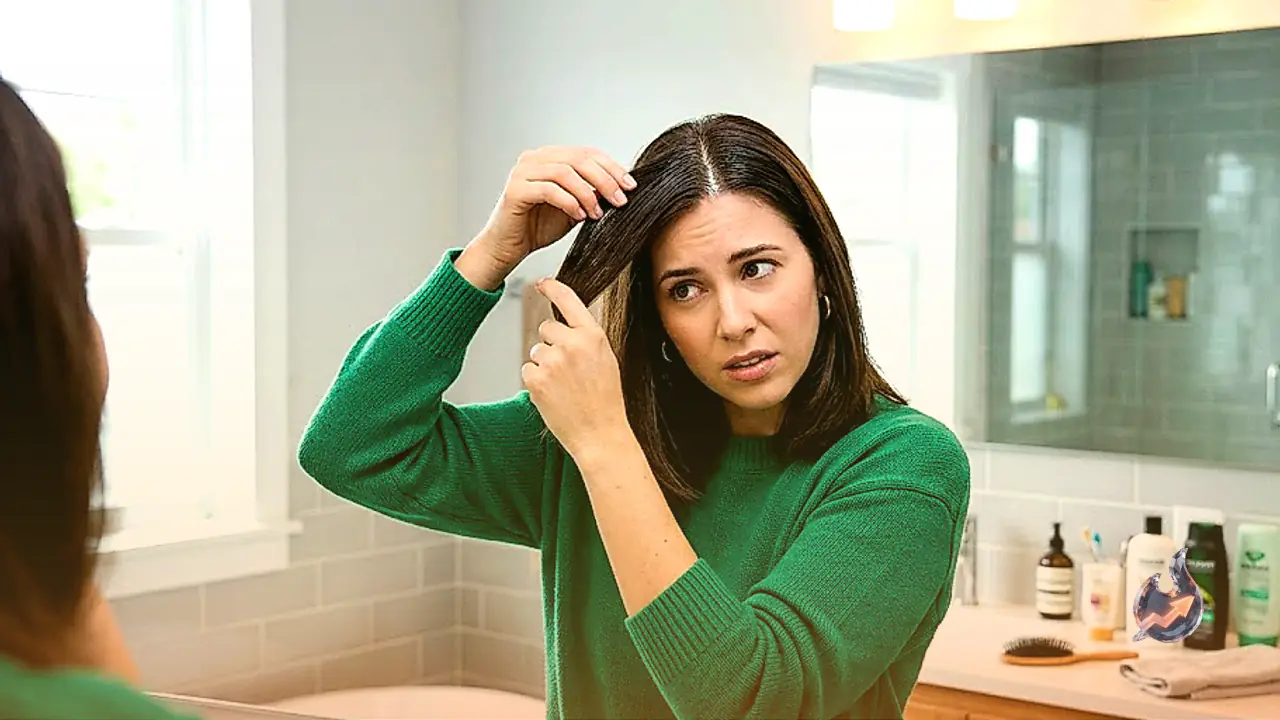

A proper hair wash is supposed to leave the scalp clean, light, and refreshed. However, when roots begin to look greasy and feel sticky just a few hours after drying, natural oiliness is not the only factor at play. In many instances, the specific method used to wash hair, improper product application, and minor habitual oversights cause the scalp to build up excess grease prematurely. Addressing these recurring hair wash errors can help keep the scalp balanced and clean for longer periods.
Avoiding Excess Product Poured Directly Onto the Scalp
A frequent mistake during hair washing is taking a large dollop of shampoo and pouring it straight onto the crown of the head. While this is often done under the assumption that more product yields a deeper cleanse, excess shampoo does not translate into better hygiene. Instead, place an appropriate amount of shampoo onto your palm, mix it with a small quantity of water to dilute it, and then spread it evenly across the scalp. Massage gently using only the pads of your fingertips. You should always avoid scrubbing or scratching the scalp with your fingernails, as abrasive pressure can cause skin irritation.
Insufficient Cleansing Leaves Behind Product Build-Up
On the opposite end of the spectrum, using too little shampoo or failing to distribute it across every section of the scalp creates its own set of problems. Without thorough coverage, accumulated sebum, sweat, and residue from hair styling products remain trapped on the skin. Consequently, hair roots can feel limp, heavy, and visibly greasy almost immediately after washing. Individuals with particularly oily scalps may opt for a gentle second round of shampoo when necessary, though repeating the wash twice is not compulsory during every single routine.
Keeping Conditioner Away From the Roots
Conditioners are formulated to nourish, soften, and hydrate the hair fiber rather than the skin of the head. For this reason, conditioner should strictly be applied to the mid-lengths and ends of the hair. Applying conditioner directly to the scalp causes roots to become weighed down, overly slick, and sticky. Furthermore, once conditioner has been applied, it is vital to rinse it out thoroughly with abundant water so that no slippery film or leftover residue clings to the hair shafts.
Steering Clear of Excessively Hot Water
Washing hair with very hot water strips moisture directly from the scalp and strands. This rapid loss of hydration upsets the natural moisture and oil equilibrium of the skin. When the scalp becomes overly parched from high temperatures, it often overcompensates by generating excess sebum shortly after drying. To protect this delicate barrier, switch to normal room-temperature water or mild lukewarm water instead. Conclude the washing routine by rinsing the scalp and hair comprehensively to eliminate all traces of soap.
Reducing Frequent Touching and Excessive Brushing
Constantly running hands through freshly washed hair to adjust it is another habit that accelerates grease formation at the roots. Everyday dirt, perspiration, and natural oils present on the palms transfer directly to the hair shafts upon contact. Similarly, repeatedly brushing the hair pulls the concentrated natural oils from the scalp down along the entire length of the strands. Managing oily hair does not require scrubbing the head daily with harsh, aggressive cleansers. The ideal frequency for washing depends largely on individual hair texture, personal scalp characteristics, daily perspiration levels, and general physical activity. However, if extreme greasiness is accompanied by persistent itching, flaking, redness, or stubborn dandruff, avoid treating it merely as a minor washing mistake and seek an evaluation from a qualified dermatologist.