




















Plant lovers frequently bring home lush green potted plants from nurseries to decorate their balconies and gardens, only to watch them wilt and dry up within a few days of repotting. This common frustration results in wasted effort, time, and money. The underlying cause of this issue is usually a lack of awareness regarding basic planting techniques, which people often overlook during the repotting process.
Improper Planting Techniques and Unsuitable Soil
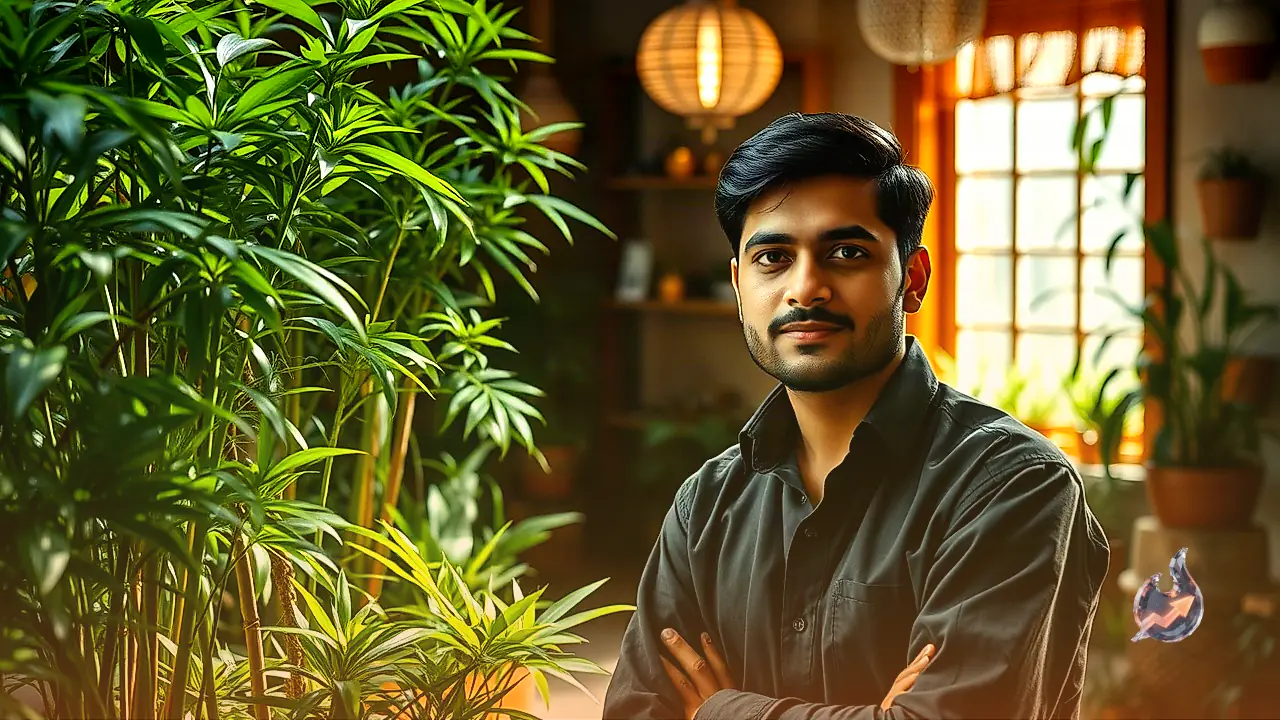
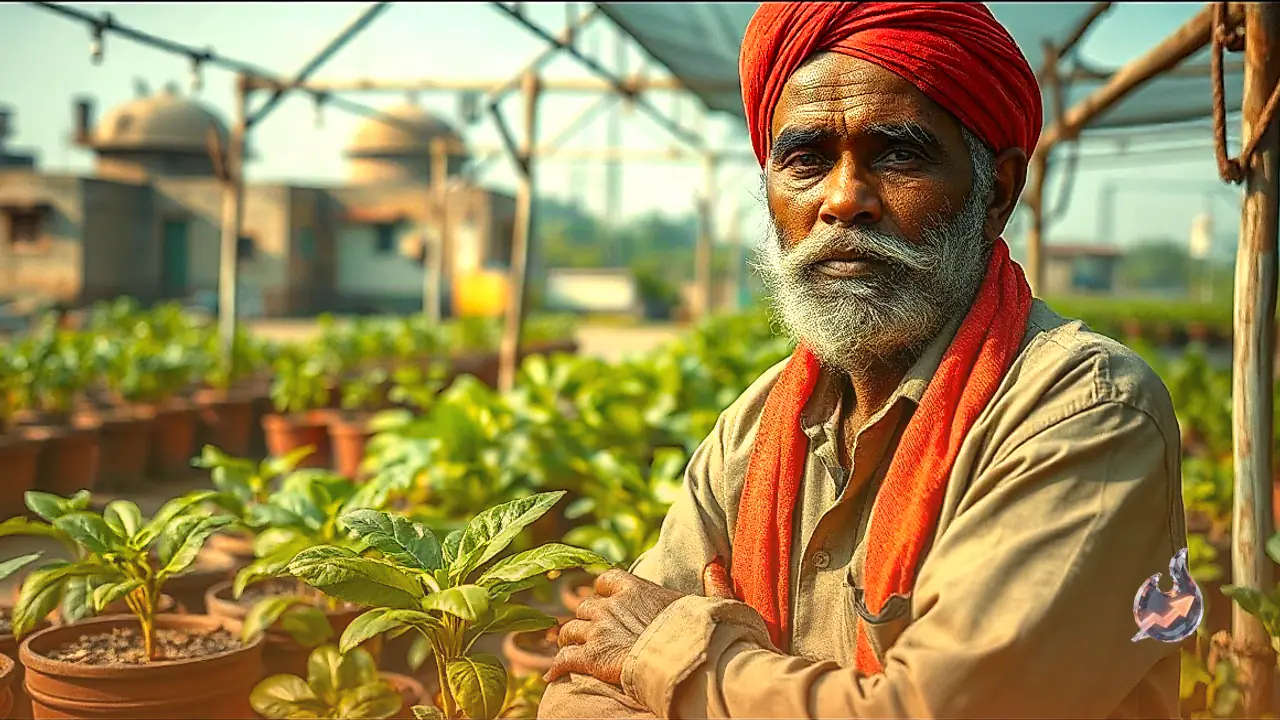
Satyendra Narayan Singh, who has been operating a plant nursery in the Jahanabad district of Bihar for 10 years, explains that healthy plant growth depends heavily on using the correct type of soil. If the soil environment is unsuitable, the roots fail to establish themselves properly. People often buy vibrant plants from nurseries but repot them haphazardly in whatever soil is available, pour water over them, and leave them unattended. Without proper planting and nutrient-rich soil, the plant cannot thrive and quickly begins to wither.
Choosing Loam Soil and Organic Fertilizers
To ensure steady growth, Satyendra Narayan Singh recommends always using loam soil for potted plants. Loam soil retains a soft structure over time, which supports root expansion and overall plant development. This specific soil type is commonly found along riverbanks. In addition to loam soil, mixing in organic fertilizer or compost is essential. The organic manure continually supplies vital nutrients to the soil, ensuring that the plant receives consistent nourishment. The soil and fertilizer should be thoroughly blended together before filling the pot.
Creating Proper Drainage and Correct Repotting Steps
Managing water drainage is a key step when repotting any plant. A small drainage hole must be present or created at the bottom of the container to allow surplus water to escape. Placing a small piece of gravel or broken stone over this drainage hole prevents the soil from washing out while allowing water to seep through slowly. After filling the pot with the prepared soil mixture, the plant should be positioned right in the center, and the soil around it should be gently firmed down to keep the stem stable.
Watering Guidelines and Overwatering Prevention
Correct watering practices are crucial for keeping potted plants healthy over time. While plants need regular moisture, the volume of water applied must be carefully controlled. Water should only be added in quantities that the soil can absorb completely. If water starts leaking out from the drainage hole at the bottom of the pot, it indicates that too much water has been applied. Excess standing water can lead to root rot and kill the plant. Maintaining balanced watering habits alongside suitable soil ensures that the plant remains vibrant and flourishing.