

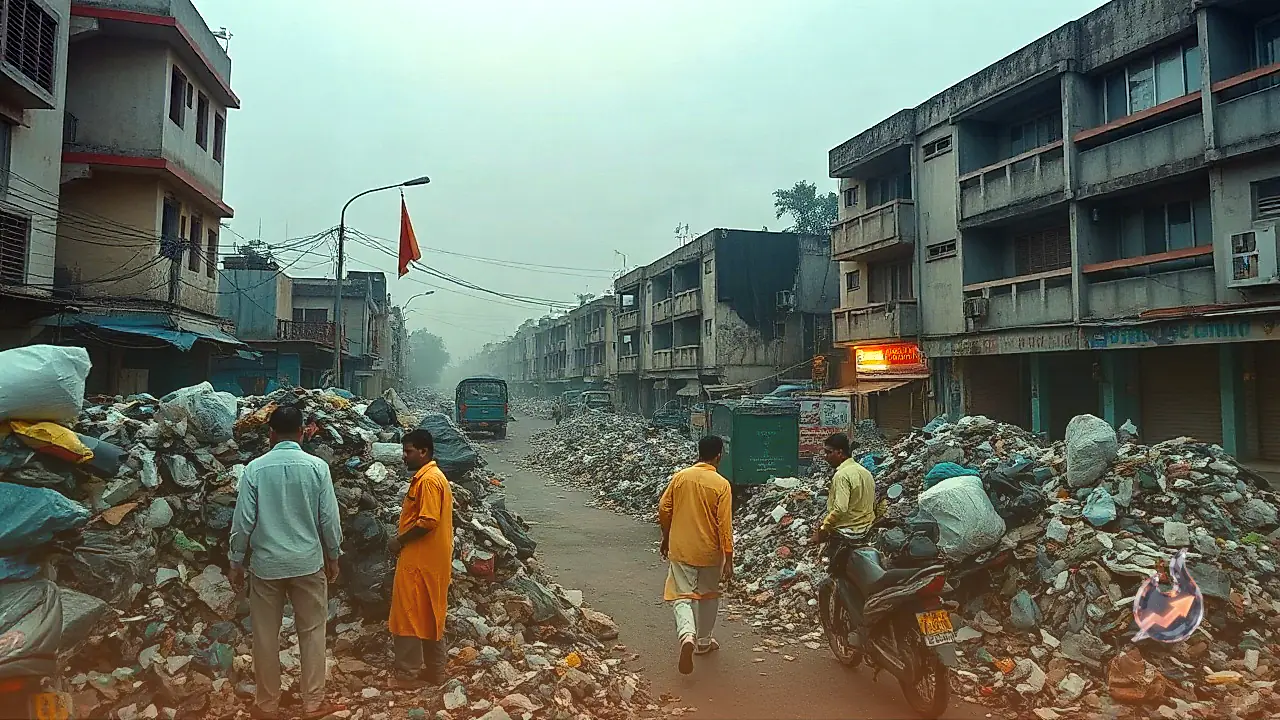





















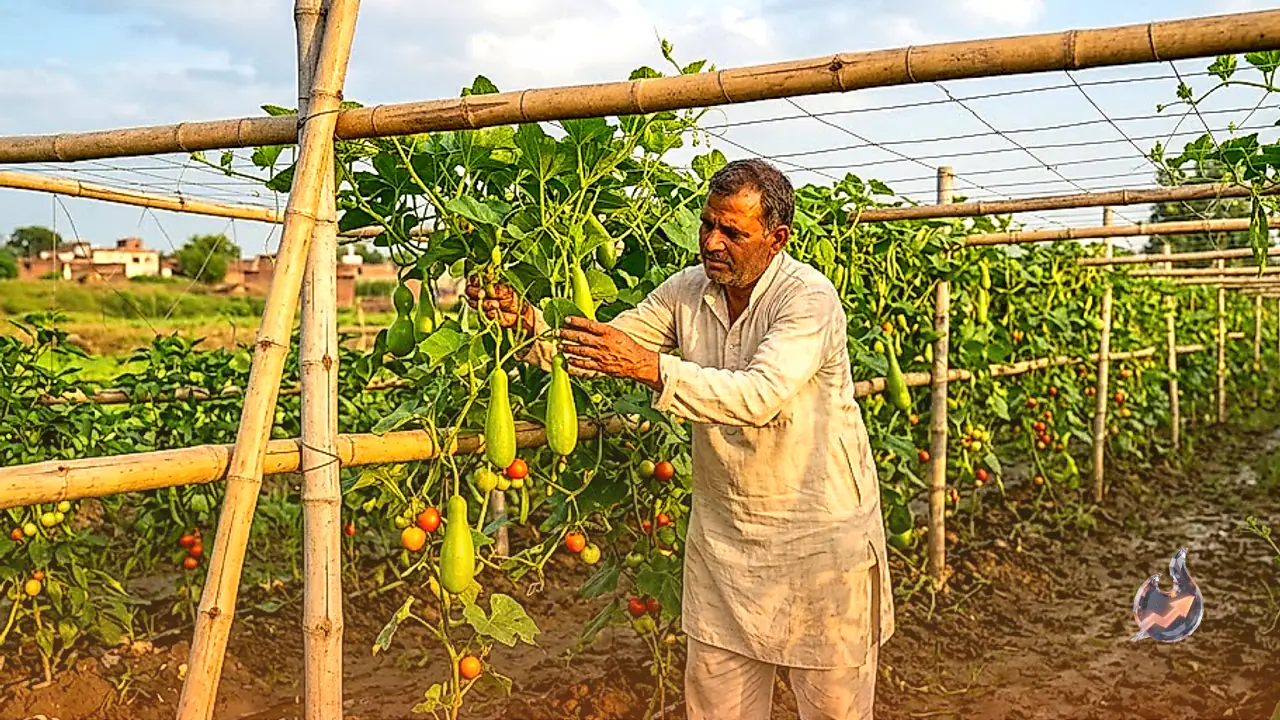

Farming vegetables during the Kharif season in India has always been a highly challenging endeavour for farmers. Heavy monsoon rains and persistent waterlogging in the fields frequently destroy crops, leading to severe financial losses for the agricultural community. However, agricultural experts from the Krishi Vigyan Kendra have now shared a highly effective modern technique that can completely transform the framework of vegetable farming. By abandoning the traditional method of sowing seeds directly on flat ground and adopting the 'Machan' (trellis) method, farmers can drastically reduce their cultivation costs. Furthermore, this method also yields a spectacular, multi-fold increase in the total crop production. This entirely scientific approach helps keep the vegetables completely safe from dangerous soil-borne diseases and the rapidly growing weeds that typically ruin monsoon crops.
A Permanent Solution to Waterlogging and Soil Diseases
During the rainy days, fields often get flooded with water, making rotting and fungal infections incredibly common for any vegetable that comes into direct contact with the wet soil. When seeds are traditionally sown straight onto the ground, the overall quality of the harvest plummets rapidly, and the yield remains disappointingly low. Weeds growing in the fields also absorb all the vital nutrients from the soil, leaving the main crop malnourished. Looking at all these challenges, agricultural scientists clearly believe that using a raised trellis structure offers a permanent and precise solution to these age-old farming problems. In this advanced technique, vine vegetables are provided with a sturdy vertical support to grow upwards instead of being allowed to spread across the ground. Because of this elevation, rainwater cannot directly damage the leaves or the fruiting bodies of the crop. Additionally, harmful soil-dwelling bacteria and fungi have absolutely no effect on vegetables that are safely suspended in the air.
Scientific Field Preparation and Bed Construction
Successfully implementing this highly profitable and modern technique in the fields requires farmers to follow a very specific procedure before sowing the seeds. Dr. Prithvipal Singh, a senior scientist at the Krishi Vigyan Kendra in Firozabad, explains the numerous features of this technique in great detail. Dr. Singh states that the Machan method is the absolute best and most beneficial option for farmers who wish to safely cultivate vegetables during the unpredictable rainy season. According to his recommendations, the first step is to deep-plough the field thoroughly to ensure the soil becomes completely soft and crumbly. Following this, raised beds measuring two to three feet in width need to be prepared across the entire field. While creating these beds, farmers must pay special attention to leaving an empty gap of at least four to five feet between every two beds. This crucial spacing ensures that proper air circulation is maintained between the crop plants and that every single plant receives an adequate amount of natural sunlight for optimal photosynthesis.
Building a Sturdy Trellis with Bamboo and Wire
Once the initial process of preparing the raised beds in the field is complete, the main framework of the trellis must be erected. For this specific task, strong bamboo poles should be driven deep into the ground along both edges of the prepared beds at a fixed distance of eight to ten feet from one another. It is extremely important to keep the height of these bamboo poles at approximately six to seven feet above the ground surface, so that the vegetable vines have plenty of vertical space to climb upwards easily. After the poles are firmly planted, all their upper ends are tightly bound together using strong iron wires. The vegetable vines will eventually spread entirely across this prepared structural network. However, before proceeding with the actual sowing of seeds, laying down mulching paper over the beds is considered one of the most critical steps of this entire method. Alongside this, a modern drip irrigation system should be utilised for watering the fields instead of relying on traditional flooding methods. The mulching paper completely prevents unnecessary weeds from growing in the field, while the drip irrigation system delivers water drop by drop directly to the main roots of the plants. This saves a massive amount of water and ensures the crop consistently receives the exact moisture it requires.
Massive Boost in Yield and Harvest Quality
For farmers, this Machan technique is proving to be immensely beneficial not only from the perspective of crop protection but also financially. Speaking about the production statistics, Dr. Singh stated that farmers cultivating vegetables using the Machan method achieve a massive 30 to 40 percent increase in their total yield. The fruits and leaves of the vine vegetables grown in this manner absolutely never touch the ground. Because they hang freely in the air, all the vegetables maintain a perfectly uniform shape, and their natural shine remains intact for a much longer time. Lacking any sort of blemishes, spots, or soil stains, such clean and shiny vegetables are very easily sold at premium prices in the local markets. Furthermore, because the harvest hangs at an elevated height, the actual process of plucking the fruits becomes incredibly convenient for farmers and labourers alike, as they do not have to constantly bend down to gather the produce. By adopting these new technologies of the modern era, farmers can secure their incomes and genuinely turn agriculture into a highly profitable enterprise.