





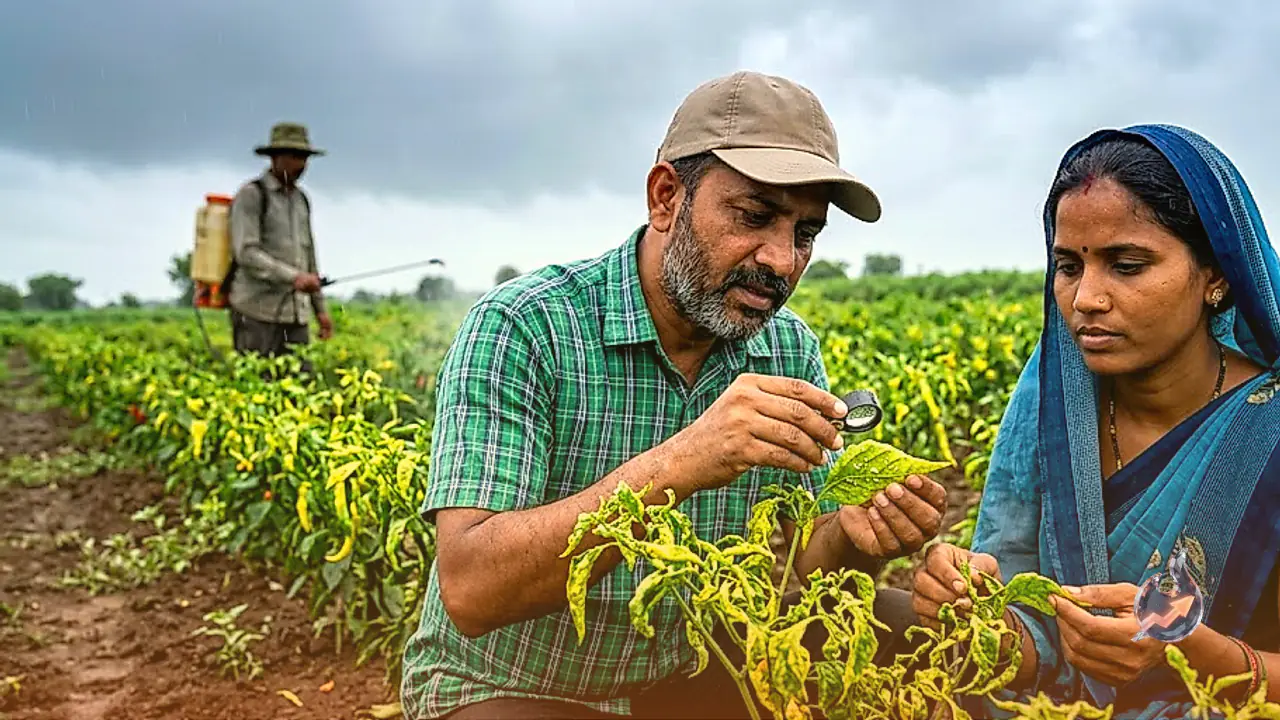

















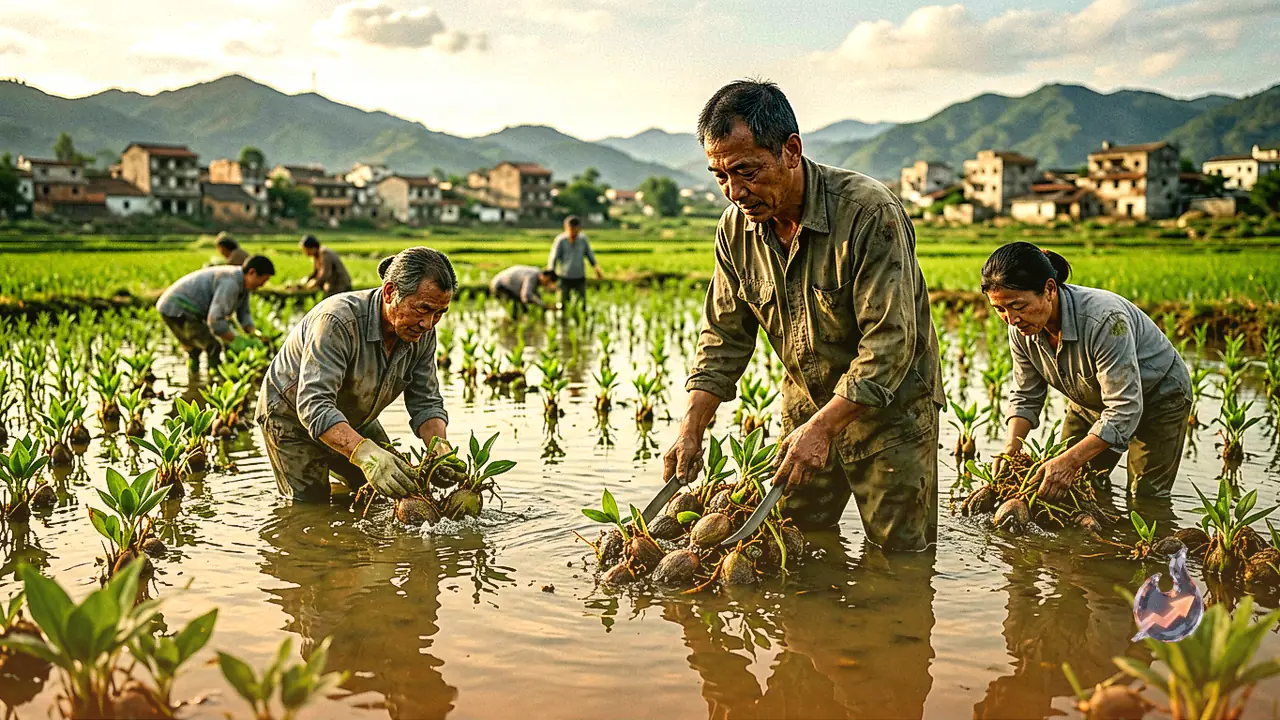

In the Indian agricultural sector, farmers are increasingly adopting innovative cropping methods aligned with seasonal climate patterns to maximize their earnings. Alongside conventional staples such as paddy and wheat, many agricultural producers are shifting toward horticulture and water-based crop production. Among these alternative approaches, cultivating water chestnuts in constructed ponds has emerged as a highly lucrative option. Water chestnuts grow entirely within aquatic environments, allowing farmers to achieve substantial profit margins with relatively modest initial investments. When managed using scientific techniques, this crop delivers rewarding returns within a short cultivation cycle.
Monsoon Transplantation Timeline and Plant Preparation
According to Rishi Kumar Chaurasia, an agricultural defense expert stationed at the State Agricultural Center Shivgarh in Raebareli, farmers engaged in water chestnut farming begin their seed and pond preparations with the arrival of monsoon rains. The primary transplantation period spans across June, July, and August. Once the aquatic ecosystem is properly set up and the young plants are transplanted, the crop matures completely within 6 months. Timely planting during the monsoon ensures that the crop receives sufficient natural rainfall, fostering rapid vegetation growth and healthy plant establishment.
Scientific Techniques for Sprouting, Spacing, and Fertilizer Application
To ensure high productivity, water chestnut seeds must first be submerged in water to stimulate germination before field planting. Once healthy sprouts emerge, they should be carefully transplanted into the prepared pond. Experts advise grouping 2 to 3 sprouted plants together during insertion into the water bed. Furthermore, farmers must maintain a precise spacing of 1 to 2 feet between adjacent plants. This spatial buffer provides ample room for foliage expansion and root development, directly enhancing overall yield quality.
Protecting the crop against pests and fungal infections requires the timely application of recommended pesticides based on guidance from agricultural specialists. Soil suitability is another vital factor; selecting land or pond beds with a pH value ranging between 6.5 and 7.5 yields optimal results. Approximately 1 month after transplantation, farmers should broadcast urea fertilizer at a rate of 30 to 40 kg per hectare to accelerate crop nourishment and shoot growth.
High-Yielding Varieties and Post-Harvest Storage Management
Selecting superior crop varieties plays a decisive role in achieving maximum economic output from water chestnut farming. Leading high-yield varieties include Lal Gathua, Lal Chikni Gulari, Harira Gathua, Katila, Sharda, Bhagwati, and Godavari. These specialized breeds are widely recognized for their strong productivity and robust resistance to field diseases. After the 6-month growing period concludes and the harvest is gathered, proper storage management becomes essential. Farmers should store harvested water chestnuts in cool, moisture-retentive locations that prevent the fruit from drying out, ensuring the produce retains its market freshness and commercial value for a longer duration.