

















The traditional craftsmanship and micro-enterprises of Amethi are rapidly stepping out of rural enclaves onto prominent commercial platforms. Products crafted by local artisans and budding entrepreneurs are now securing dedicated display spaces at state exhibitions and major international trade fairs. This expanding visibility is directly bridging the gap between grassroots makers and contemporary consumer markets, thereby injecting fresh economic energy into the district's cottage industry ecosystem.
Moonj Crafts, Handlooms, and Diverse Local Sectors
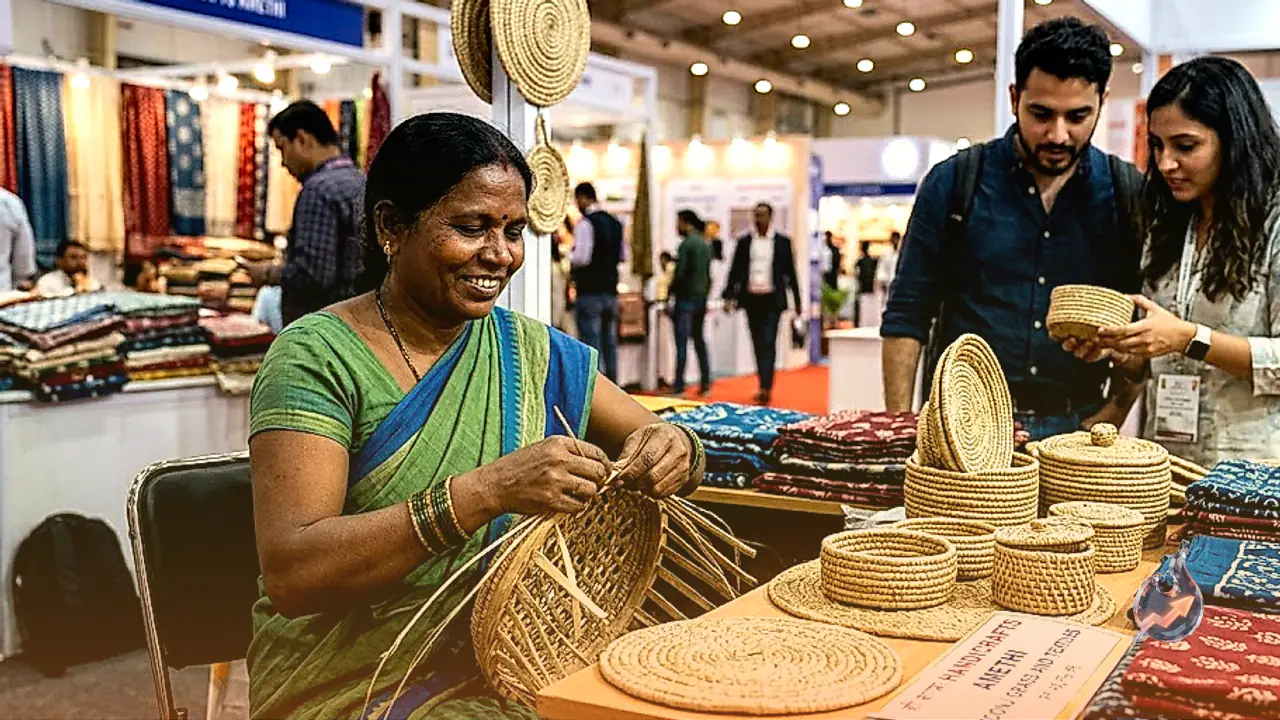
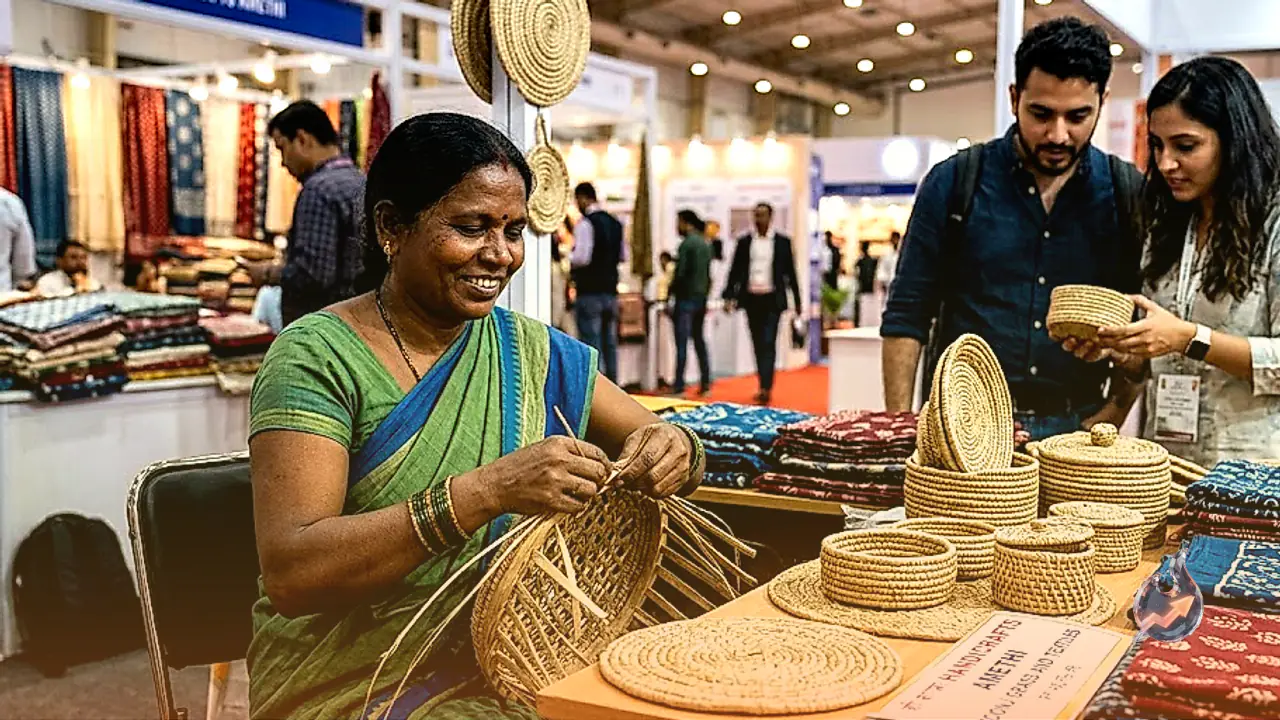
Under the One District One Product framework, natural grass craft from Amethi has emerged as a significant commercial draw. The moonj creations shaped by Bhawani Prasad Nishad have garnered wide interest among urban buyers seeking eco-friendly home goods. His product catalog includes handcrafted daliyas, baskets, chairs, tables, floor doormats, traditional jhabiyas, roti storage containers, desktop pen boxes, and decorative photo frames. These functional utilities, woven from indigenous wild grass, combine regional cultural heritage with day-to-day usability.
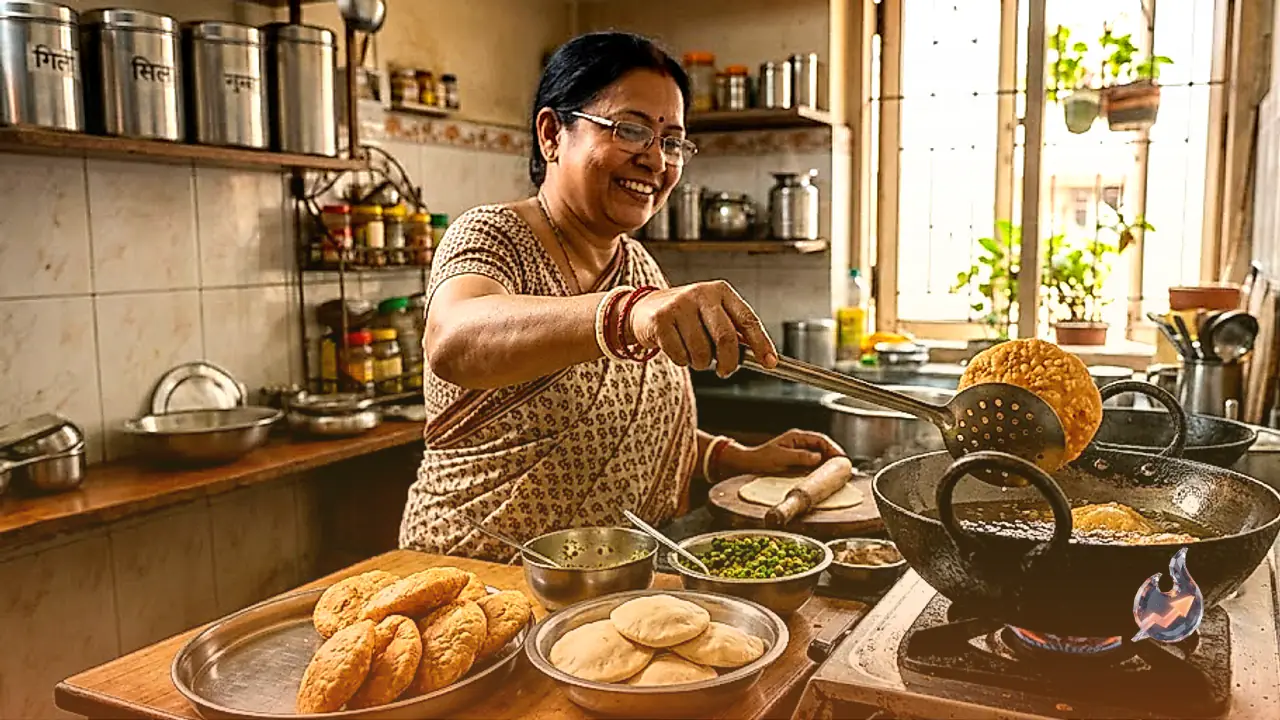
Alongside grass-based handicrafts, Amethi's textile and leather manufacturers are gaining valuable exposure. In the apparel segment, indigenous fabrics and garments woven by entrepreneur Benchu Khan have been featured alongside specialized leather goods. Furthermore, culinary businesses promoted under the One District One Cuisine initiative were also presented to visitors at these expositions. The convergence of these distinct trades is generating multiple layers of employment while elevating simple craftsmen into recognized business leaders within their communities.
Grassroots Testimonials and Economic Growth
Artisans participating in large-scale exhibitions report visible improvements in business volume and brand prestige. Craftsman Bhawani Prasad Nishad noted that institutional backing and participation opportunities have substantially expanded his production capacity. More than 300 individuals now work collaboratively within his business and linked groups, earning steady daily wages. His manufactured craft items are now distributed across retail channels throughout Uttar Pradesh, ensuring consistent wholesale orders throughout the year.
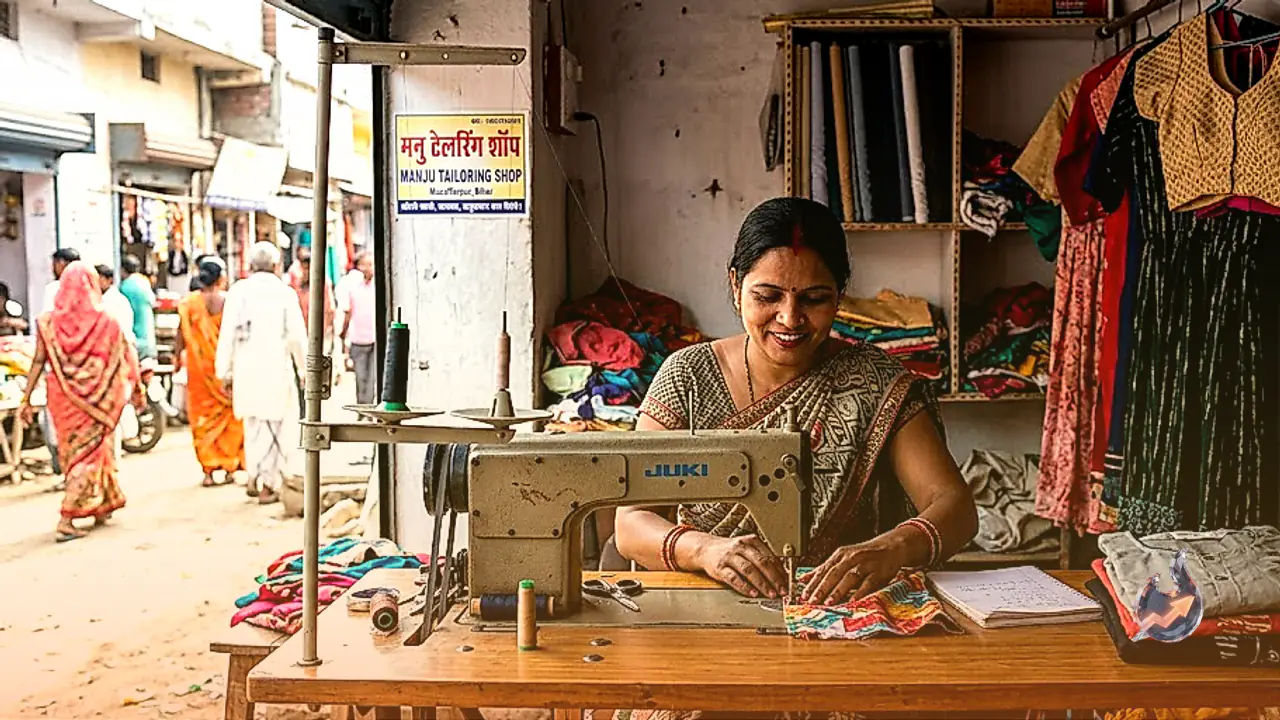
Young entrepreneurs are also leveraging market trends to build viable self-employment models. Tanishq Shukla, a young manufacturer based in Amethi, produces customized consumer items based on contemporary market preferences. He emphasized that tuning products to actual retail demand simplifies marketing and ensures steady volume. While his merchandise was earlier restricted to neighboring towns in Uttar Pradesh, the integration of digital e-commerce channels alongside traditional offline distribution now allows him to ship orders across India, generating monthly earnings of 30,000 to 40,000 rupees.
Administrative Support and Subsidized Self-Employment
District authorities are focusing on sustaining this market momentum through policy interventions and marketing assistance. Abhay Kumar Suman, Deputy Commissioner of District Industries, indicated that regular participation in global and domestic fairs is intended to give Amethi's makers sustainable commercial viability. The administrative focus remains on upgrading local production capabilities, widening consumer awareness nationwide, and expanding the localized employment base.
For aspiring entrepreneurs seeking to launch their own small ventures in manufacturing or services, administrative departments are providing direct financial incentives. Eligible candidates can secure up to 25 percent subsidy on project costs valued up to 5 lakh rupees. The support mechanism is accessible to individuals aged between 18 and 50 years. Interested applicants must submit fundamental verification records, including their Aadhaar card, PAN card, bank account passbook, and a completed enterprise registration form, to avail the grant and establish their own business units.