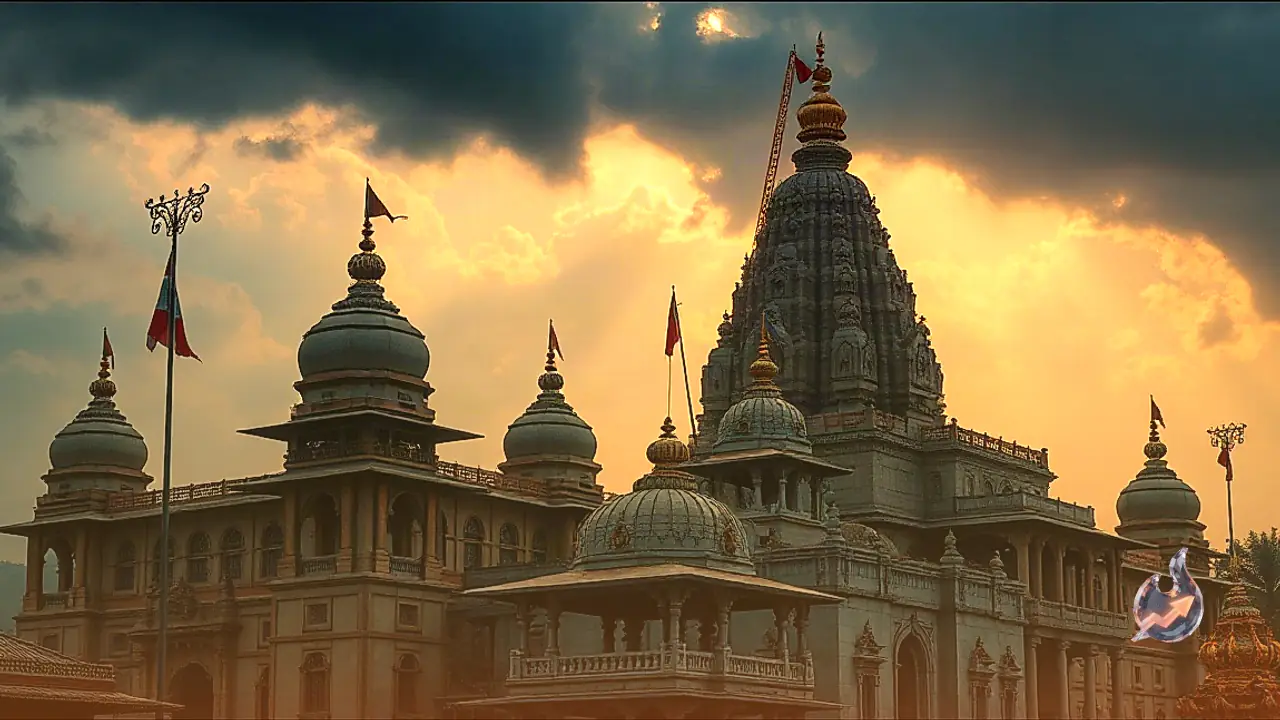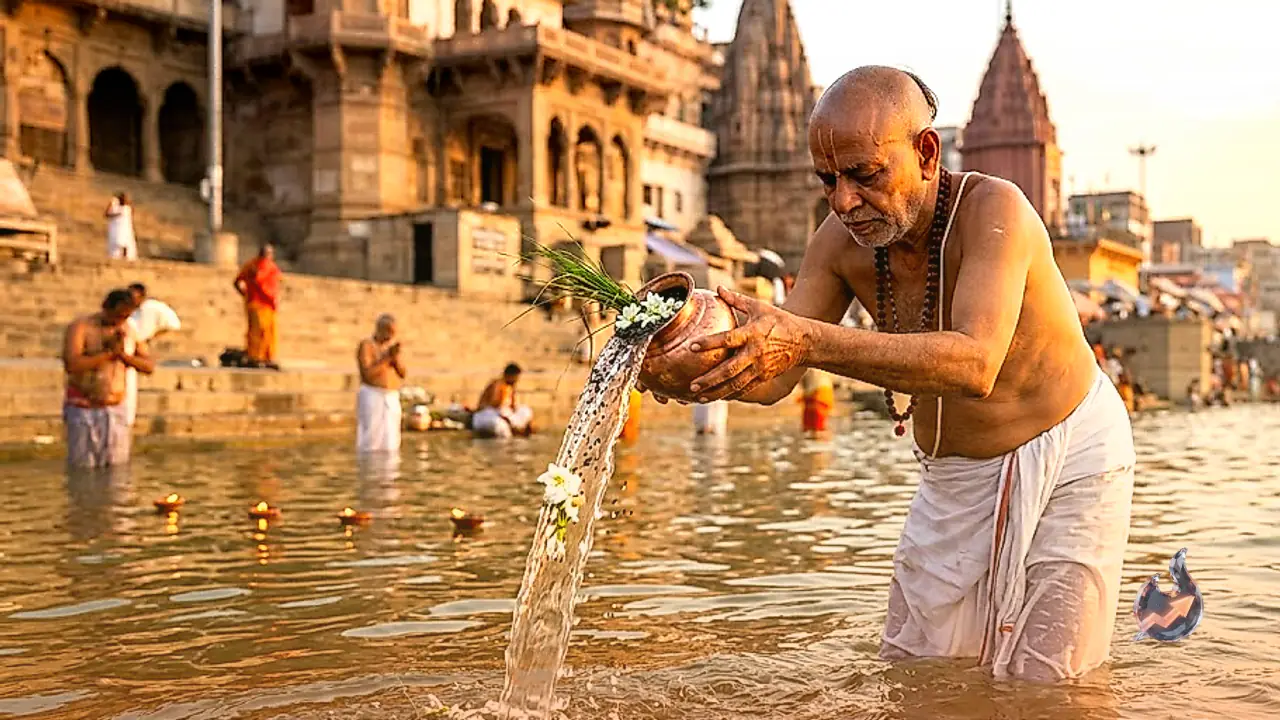



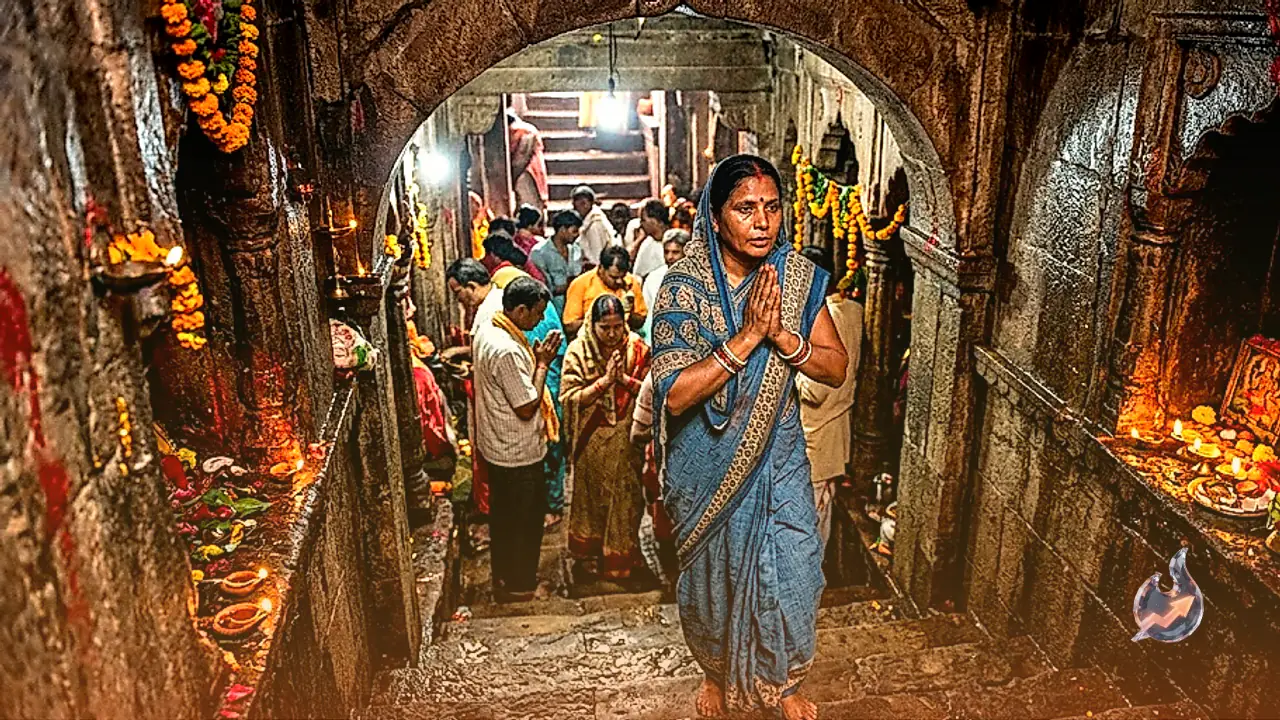

















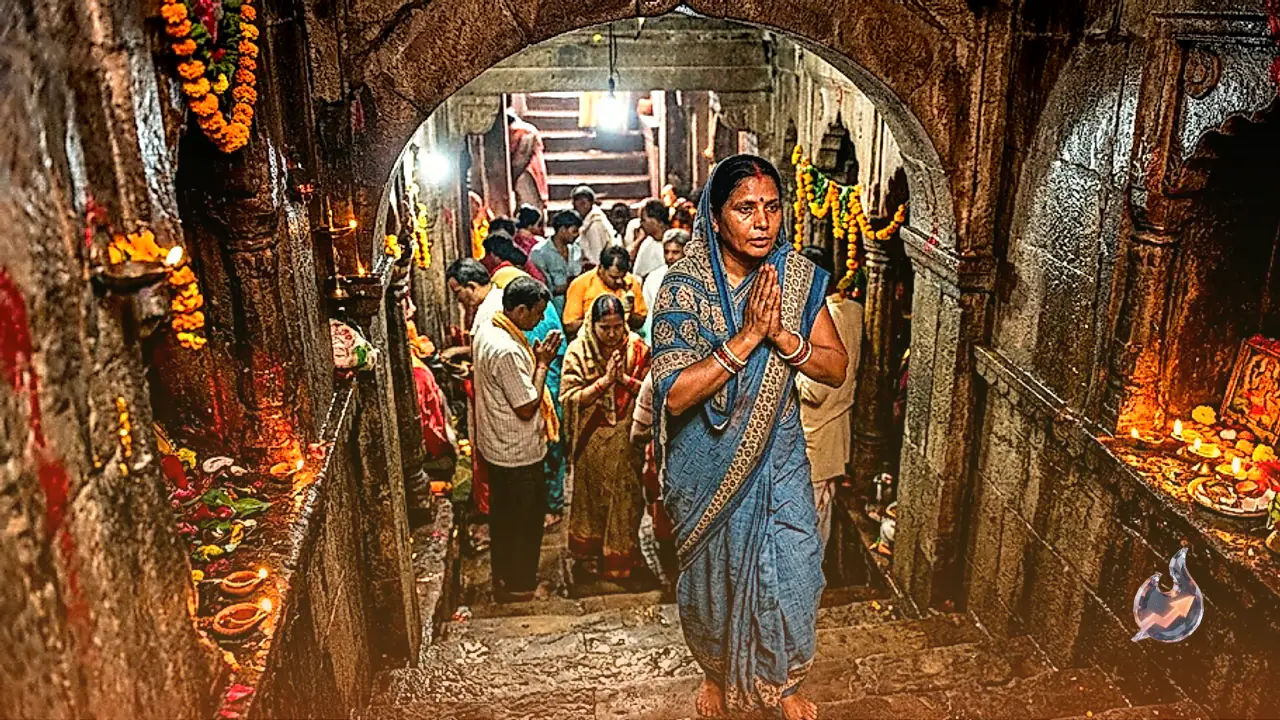

Situated along the Gomti River in the historically rich district of Sultanpur, Uttar Pradesh, Mathiya Dham Mandir presents an architectural and spiritual marvel that continues to baffle visitors. Unlike traditional temples built atop raised platforms, this shrine has endured severe natural challenges, including catastrophic flooding, while preserving its physical footprint. Over time, two of its primary structural tiers have subsided beneath the soil, leaving only a single level visible on the surface. To offer their prayers before the presiding deity inside the sanctum, devotees must bow deeply to pass through an unusually low and narrow passage.
Subterranean Architecture and a Low Threshold
Located in the village of Nizam Patti, the exterior profile of Mathiya Dham may initially strike an outsider as modest and unassuming. However, an inspection of its layout reveals a fascinating physical transformation. Local records and residents recount how two full sections of the temple sank deep into the earth across generations. Because only the uppermost tier remains accessible above ground level, the path into the sanctum sanctorum requires worshippers to bend forward and advance through an intentionally tight clearance. This compulsory physical act of humility serves as the shrine's most distinctive physical characteristic, setting it apart from other pilgrimage spots across the Gomti belt.
Lakhori Brick Masonry and Enduring Strength
The resilience of Mathiya Dham lies in the specialized structural techniques embedded inside its massive walls. Amrendra Nath Dwivedi, who has documented the chronicled history of the shrine, observes that the construction relies extensively on ancient Lakhori bricks. Characterized by their slender profile and exceptional durability, Lakhori bricks paired with thick structural masonry provided the shear strength necessary to keep the building standing despite major floods that submerged surrounding areas. While various theories point to seismic activity, soil settlement, or past hydrological incidents as the catalyst behind its subsidence, the precise trigger has never been definitively established. This unresolved mystery adds an enduring layer of fascination to the shrine.
Living Rituals, Mathiya Mata, and Biannual Feasts
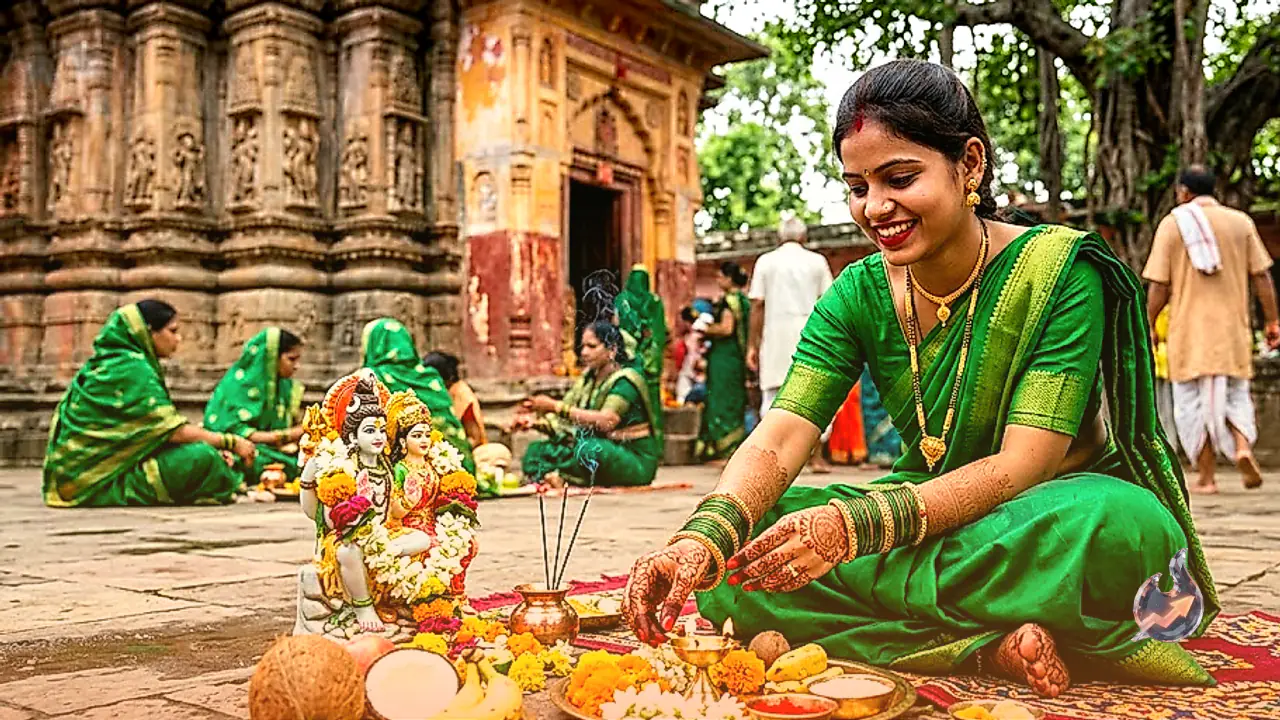
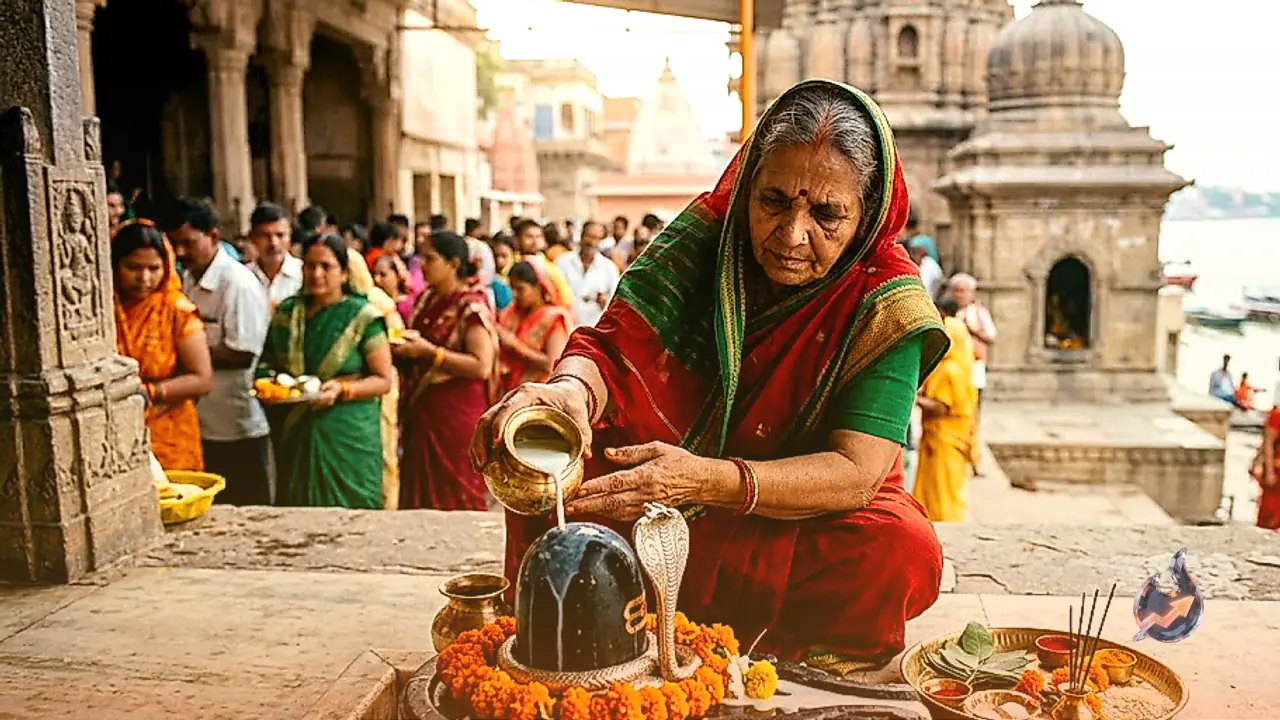
Despite centuries of physical shifts and ground settlement, spiritual life inside the complex has remained continuous. Temple priest Virendra Kumar Tiwari explains that the shrine organizes extensive religious events and community banquets, known as bhandaras, twice every year. These gatherings draw thousands of worshippers who arrive to participate in time-honored rituals. Devotees routinely present traditional offerings of sugar batashas and laddu sweets to Mathiya Mata. Enclosed by native tree canopies and bordered directly by the waters of the Gomti, the site functions not merely as a neighborhood house of worship, but as a living monument merging ancient regional craftsmanship with rural Uttar Pradesh folklore.