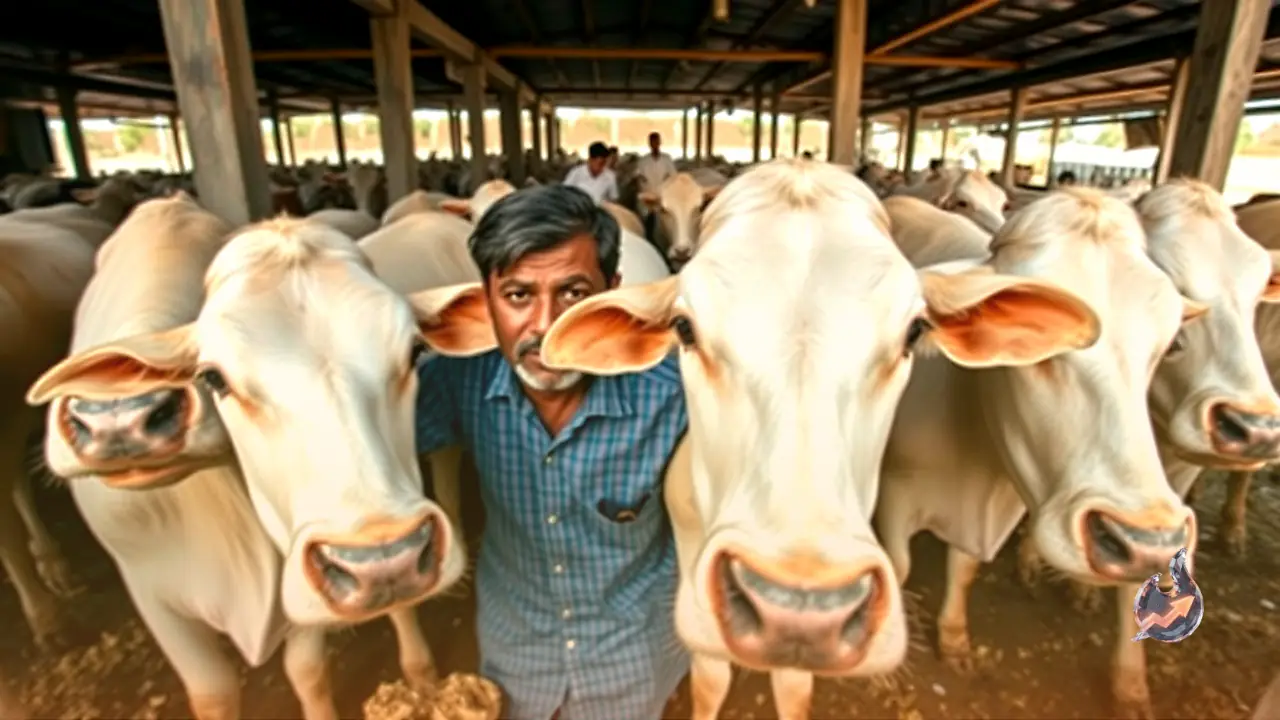























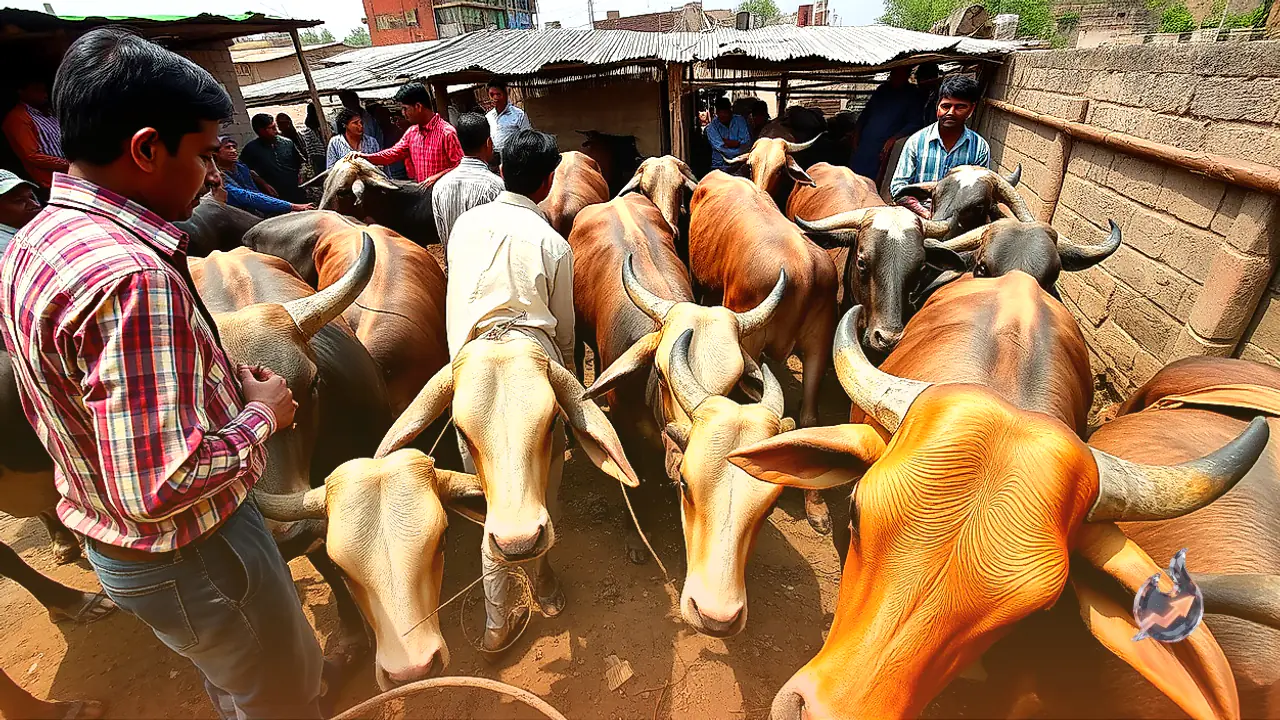

Animal husbandry serves as a reliable source of supplemental income for farmers across rural communities. Many villagers raise cows and buffaloes, but beginners often struggle with the milking process. Minor mistakes made during milking can negatively impact the animal's health, milk quality, and overall production levels. Consequently, understanding the correct methodology for milking livestock is essential for anyone involved in dairy farming.
Basant Lal, who has worked as a milkman in Chitrakoot for the past 45 years, shared detailed insights regarding proper milking practices. He emphasized that before initiating the milking process, individuals must thoroughly wash their hands using soap. Additionally, the container used to collect the milk must be completely clean and dry. Utilizing unwashed hands or dirty vessels can introduce bacteria into the milk, significantly increasing the risk of early spoilage.
According to Basant Lal, cows and buffaloes should be fed adequate fodder and approached with affection before milking begins. It is vital to wash the animal's udder with clean water and dry it thoroughly using a clean cloth prior to milking. If mud, dung, or other impurities are present on the udder, milking should never be attempted without proper cleaning. He noted that farmers should consistently milk their animals at the exact same time every day. The surrounding environment should remain calm during the process to keep the animal at ease. Allowing the calf near the mother when necessary can also help keep the livestock calm and cooperative.
Basant Lal explains that excessive force, pulling, or hard squeezing of the udder must be strictly avoided during milking. Hands should grip the teats correctly to extract milk in a steady and gentle manner. The grip should adapt naturally to the size and condition of the animal's udder to prevent any injury or pain to the livestock.
In his experience, completing the milking process for a single cow or buffalo typically takes between 15 to 20 minutes. Maintaining proper sanitation, adhering to a regular schedule, and exercising caution helps preserve the purity and hygiene of the milk. New dairy farmers should learn the proper milking technique from experienced individuals to ensure the animal remains comfortable while safeguarding milk quality.