























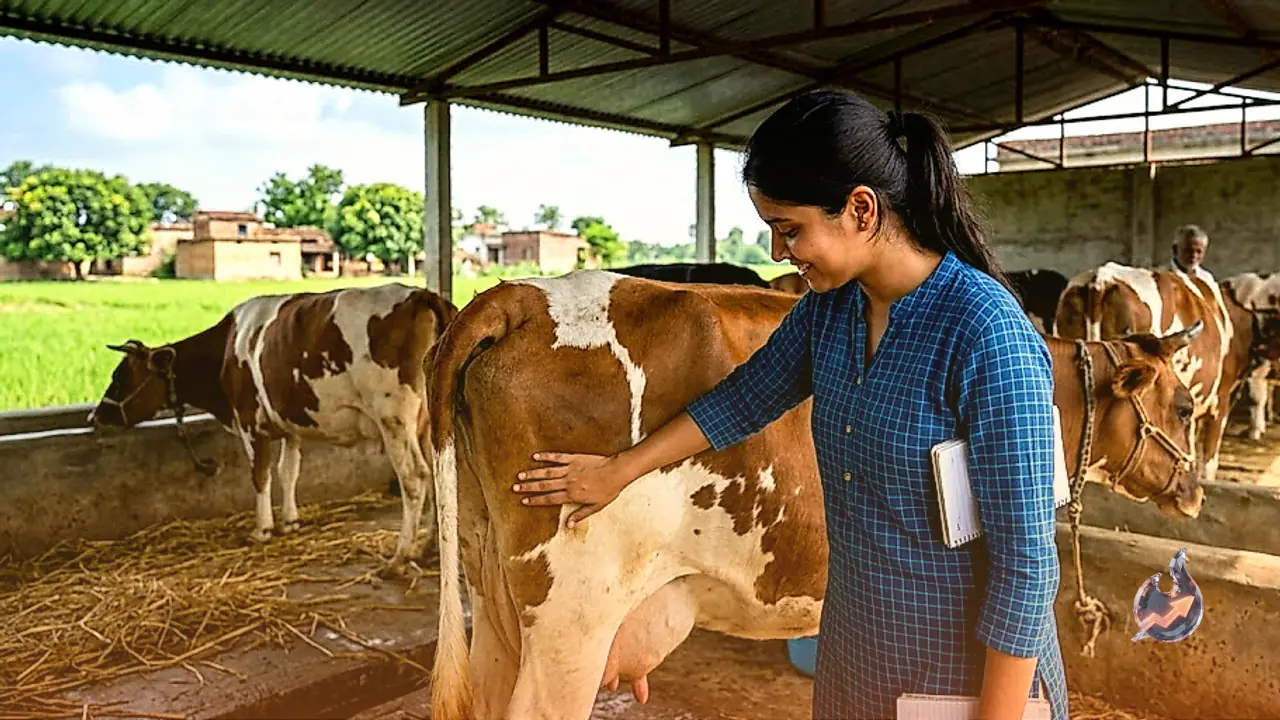

Across Bhagalpur and its surrounding belts, young individuals looking beyond conventional job markets are increasingly turning to agrarian and allied enterprises for sustainable self-employment. The livestock sector has emerged as a focal point of this shift, with newcomers exploring diverse avenues ranging from goat rearing and poultry production to commercial dairy operations. However, before investing capital into a milk enterprise, aspiring entrepreneurs face a critical strategic decision: determining which cattle breed offers the right balance between procurement expenditure, daily maintenance costs, and dependable yields.
Yield Expectations and Farm Management Realities
Selecting the appropriate cattle breed forms the operational backbone of a profitable dairy setup. Long-term commercial success rarely hinges on herd size alone; instead, it depends on milking yield, disease resilience, local feed suitability, and overall management intensity. Inexperienced operators frequently acquire livestock without thoroughly examining these factors. When production falls short of projections or recurring veterinary expenses escalate due to preventable health issues, businesses quickly face financial distress. Careful preparation regarding breed characteristics is therefore vital prior to stocking a farm.
The Practical Case for Crossbred Cattle
Experienced dairy farmers suggest that first-time entrants should initiate operations with mixed-breed cattle rather than jumping straight into high-maintenance varieties. Starting a dairy setup requires consistent daily cash flow to service routine costs such as concentrated feed, dry fodder, labor, and utilities. Crossbred animals generally exhibit better adaptability to native climatic conditions while maintaining reliable output levels, ensuring that a fledgling business generates the necessary revenue to stay solvent during its initial phase.
Balancing High-Yield Foreign Breeds and Indigenous Stock
When it comes to exotic high-yielding varieties such as Holstein Friesian (HF), new entrants need to exercise caution. While HF stock is capable of producing impressive daily milk volumes, these animals demand specialized environmental management and intensive care. Local heat conditions and vulnerability to common illnesses can place an overwhelming burden on beginners who lack advanced infrastructure. Conversely, relying entirely on pure indigenous breeds during the initial stage can introduce cash-flow complications. Because traditional native varieties often yield comparatively lower daily milk volumes, generating enough operating surplus to cover early overhead costs can become exceptionally difficult.
Essential Guidelines for Sourcing Farm Livestock
Aspiring dairy farmers can mitigate operational hazards by adhering to structured purchasing practices
- Verify the documented pedigree, past milking records, and lactation cycles of prospective cows before finalizing purchases.
- Select breeds that align closely with regional temperature ranges and environmental stressors.
- Conduct professional veterinary health evaluations before bringing animals onto the premises.
- Ensure reliable, long-term access to quality green fodder, dry feed, and potable drinking water before onboarding stock.
- Begin with a modest herd size to master operational nuances before attempting large-scale commercial expansion.