























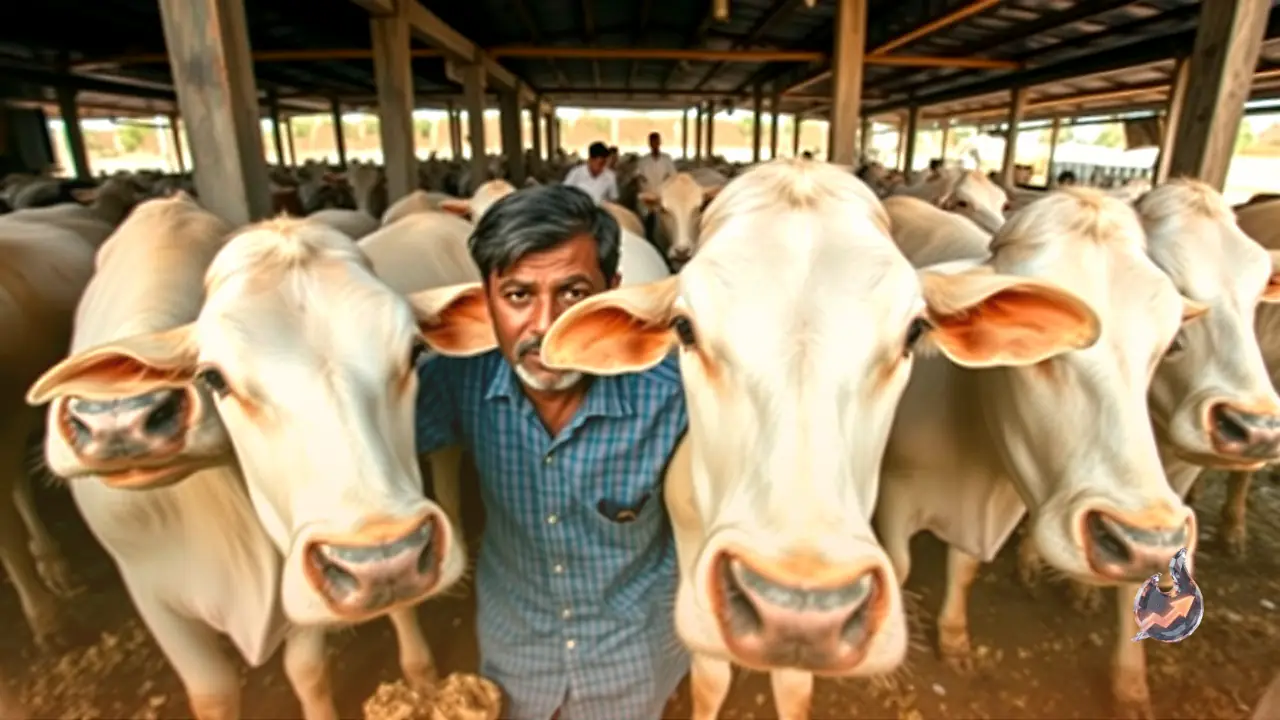

If you are planning to venture into animal husbandry and preparing to purchase a cow, it is essential to first gather comprehensive information regarding its breed, milk-yielding capacity, and maintenance requirements. Purchasing a cow without adequate knowledge can lead to financial losses due to low milk production. Under such circumstances, the Sahiwal breed can serve as a viable option for dairy farmers. It is counted among the country's premier improved native breeds and is particularly recognized for its ability to adapt smoothly to hot weather conditions.
Origin and Distribution of Sahiwal Cows
Additional Veterinary Officer PK Singh stated that the Sahiwal cow can easily survive and thrive even in high temperatures. This is precisely why livestock owners in hot regions like Bundelkhand can consider raising this particular breed. The native region of the Sahiwal cow is primarily considered to be in Pakistan. Over time, it has become available across various parts of the country, including Punjab, Rajasthan, and Uttar Pradesh.
Milk Production Capacity and Market Price
According to experts, a good Sahiwal cow generally yields around 6 to 10 liters of milk daily under normal conditions. However, the actual quantity of milk depends heavily on the cow's age, health, breed purity, diet, and overall care. Therefore, it is crucial to inquire about its milk production and health status before making a purchase. The market price of a Sahiwal cow is reported to be around 70,000 to 80,000 rupees, though prices may vary based on age, health, milk yield, and local market dynamics.
Milk Quality and Fat Content
Information indicates that Sahiwal cow milk contains roughly 3.50 to 5 percent fat, making it highly useful for commercial dairy operations. Furthermore, the milk of the Sahiwal cow is also referred to as A2 type milk, although scientific testing is necessary to officially confirm the specific type of milk.
Balanced Diet and Nutritional Requirements
Experts emphasize that if a Sahiwal cow is producing nearly 10 liters of milk daily, special attention must be paid to its dietary intake. Such an animal should be provided with approximately 10 kg of green fodder, 3 to 5 kg of dry husk, and a balanced feed comprising mustard cake, wheat bran, and other necessary supplements. Alongside this, ensuring a continuous supply of clean water to the cow is mandatory. The exact quantity of feed should be determined according to the animal's age, body weight, milk output, and health status, and consulting a veterinarian or animal nutrition specialist when needed is recommended.
Important Considerations Before Buying
When purchasing a Sahiwal cow, one should never make a decision solely based on its breed appearance or price tag. Thoroughly check its health, age, actual milk yield, and nutritional requirements beforehand. Additionally, arrange adequate provisions for fodder, water, shelter, and regular upkeep. Proper knowledge and balanced maintenance enable livestock farmers to plan and execute their dairy ventures much more effectively.