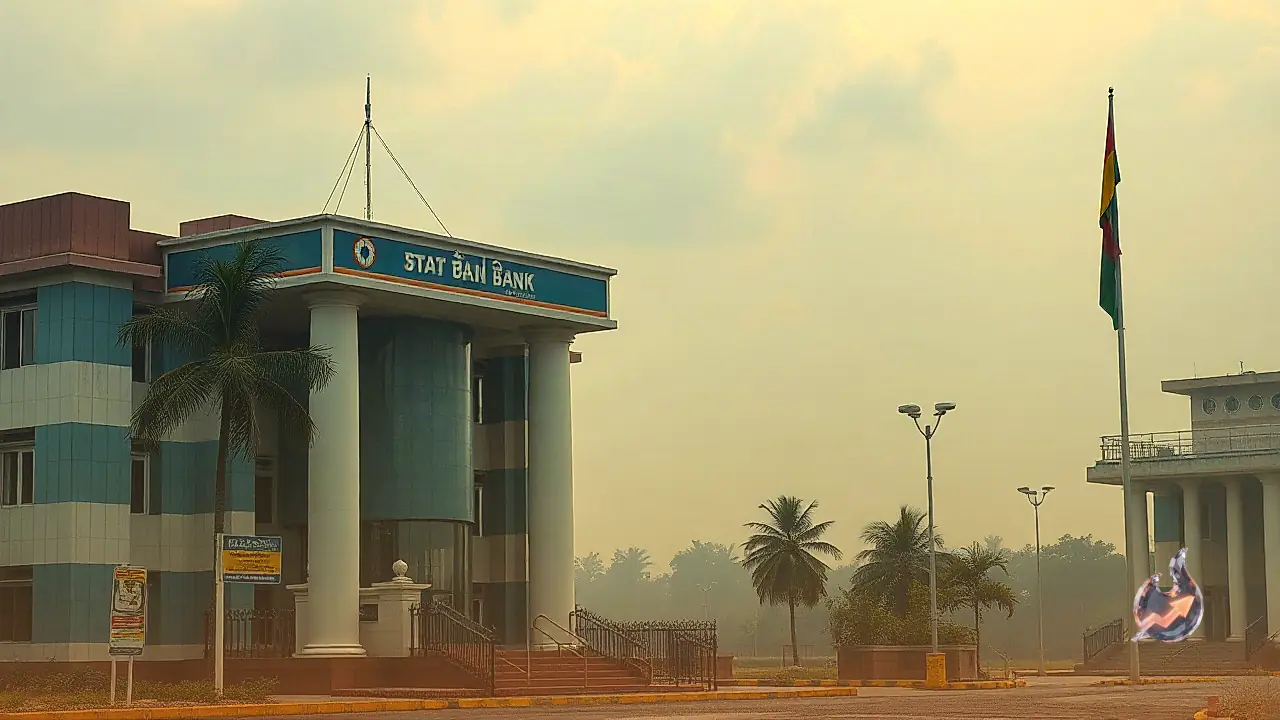

























Banking operations across the country are bracing for a major standstill as employee unions have announced a nationwide strike spanning three days. Financial institutions will witness a complete halt in regular work from September 28 to 30, 2026. Interestingly, just ahead of this three-day shutdown, banks kept their doors open on Sunday, September 27, 2026, attempting to accommodate customers before the disruptions begin. With the extended closure imminent, millions of account holders are eager to understand the underlying causes and the specific services that will be unavailable during this period.
Core Demands Driving the Strike
The primary grievance raised by bank employees centers on the implementation of a five-day work week, demanding both Saturday and Sunday as permanent weekly off days. Additionally, union representatives are pressing for the complete withdrawal of the performance-linked incentive scheme. Although the government has temporarily put the PLI scheme on hold, tensions regarding the five-day work model persist. Other prominent demands fueling this nationwide agitation include pension reforms, dearness allowance adjustments, National Pension System grievances, and the restoration of the old pension scheme.
Banks Facing the Direct Impact
The strike will heavily impact public sector lenders and regional rural banks across the nation. All 12 state-owned institutions, including State Bank of India, Punjab National Bank, Bank of Baroda, Canara Bank, Union Bank of India, Bank of India, Indian Bank, Central Bank of India, Bank of Maharashtra, Indian Overseas Bank, UCO Bank, and Punjab & Sindh Bank, will see operations suspended for the three-day duration. In contrast, major private sector lenders such as HDFC Bank, ICICI Bank, and Axis Bank will not face any direct disruption and are expected to function normally.
Services Impacted at Branch Level
Traditional banking operations conducted inside physical branches will remain paralyzed during the strike window. Customers visiting branch counters will be unable to deposit or withdraw cash in person. Cheque processing will face significant delays, leaving payments stuck for the duration of the shutdown. Anyone requiring a demand draft or pay order for financial settlements will need to wait until operations resume. Furthermore, processing for home loans, personal loans, and other credit facilities handled directly through branches will be temporarily halted. Offline customer verification processes like KYC updates, opening new accounts, manual account transactions, and account closure requests will also remain on hold.
Relying on Digital Channels
Recognizing the impending branch closures, institutions deliberately kept doors open on Sunday to manage heavy customer traffic. With the three-day strike now underway, customers must rely heavily on online channels to execute transactions. ATMs, official mobile banking applications, and net banking platforms will continue operating normally to facilitate fund transfers. The most pronounced bottlenecks will be visible in cheque and demand draft clearings, though automated cash deposit machines at select ATM kiosks will allow users to deposit funds without visiting a teller.