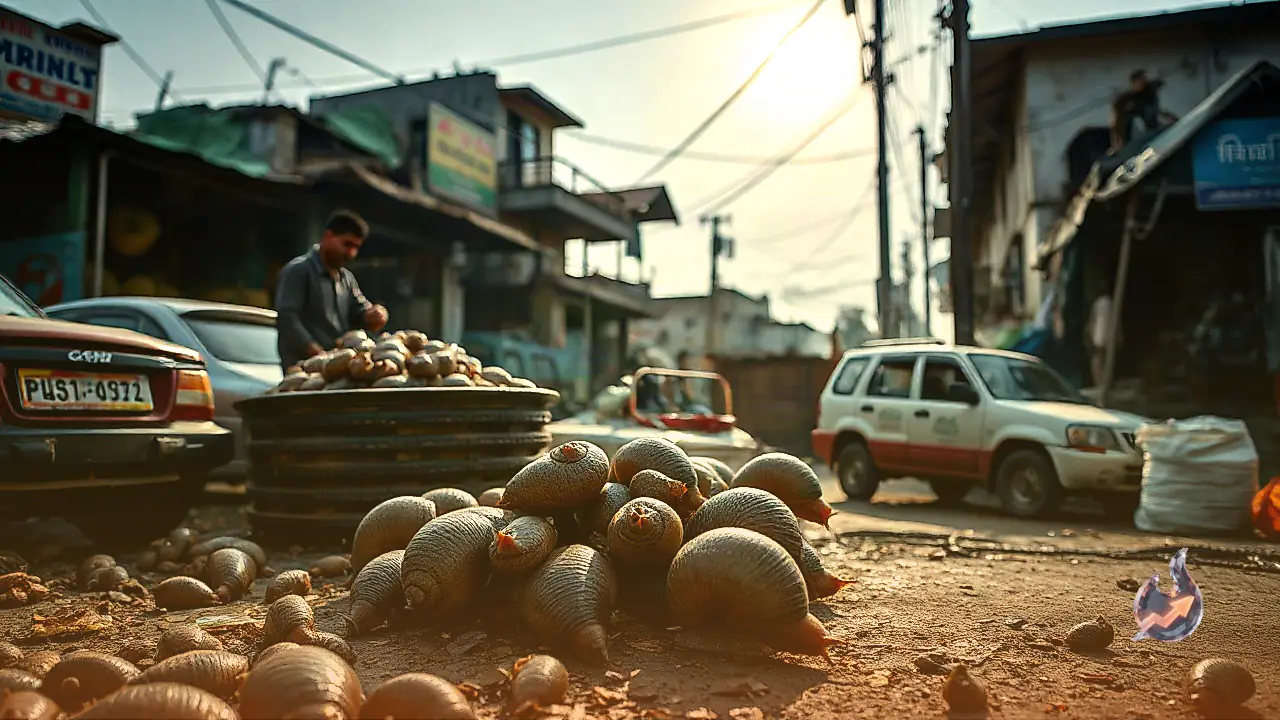



















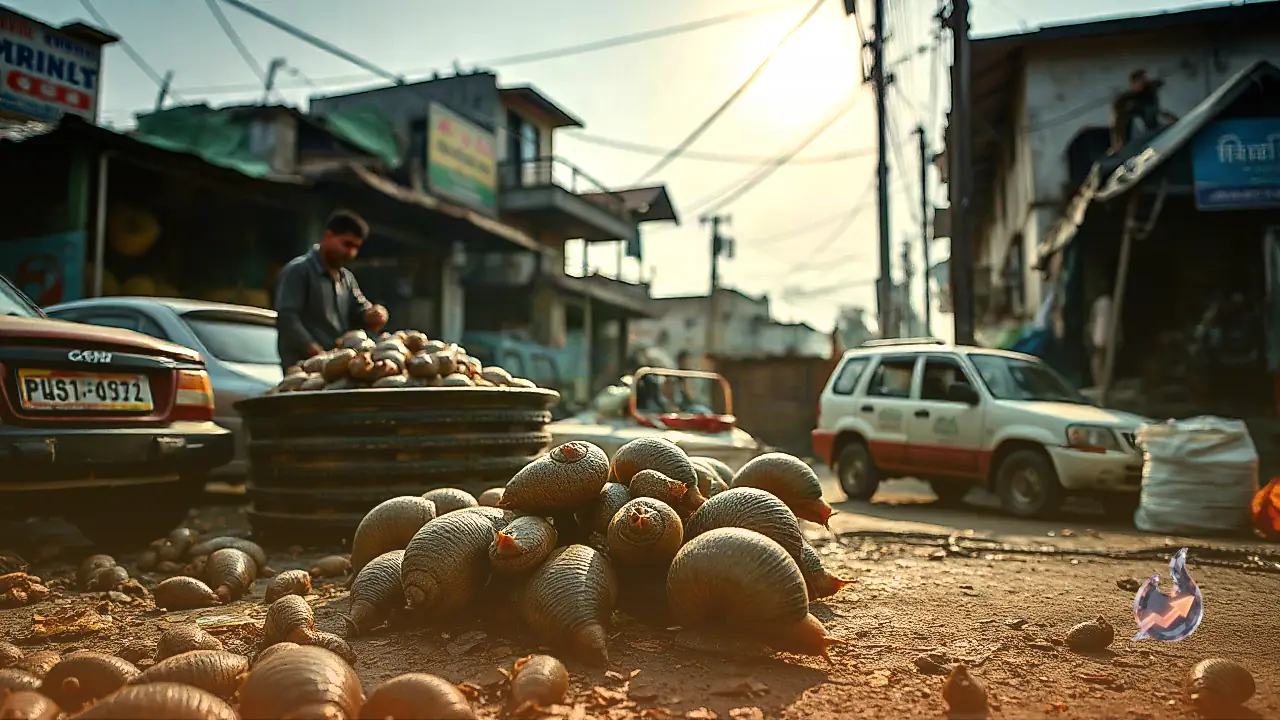

A unique trade unfolds in West Champaran where a creature typically served as an expensive exotic non-veg dish in foreign countries is openly bought and sold on roadsides across Bihar. Visuals show vendors sitting in long rows along the street, displaying snails on leaves and jute sacks while eager buyers line up to purchase them. Interestingly, while the rest of the world classifies snails as high-end seafood, here in Bihar they are hand-picked directly from local ponds, tanks, and small rivers to cater to a dedicated consumer base.
Seventy families run the snail farming and trading business
Heera Lal Manjhi, a resident of Hardiya Panchayat in Bettiah, explains that around 70 families in his village depend entirely on the snail trade for their livelihood. What makes this enterprise unique is that these individuals are not just middlemen but active farmers. They either cultivate snails themselves or harvest them from nearby water bodies. Once gathered, the produce is brought to local markets where large-scale buying and selling takes place daily.
Local naming and traditional harvesting methods
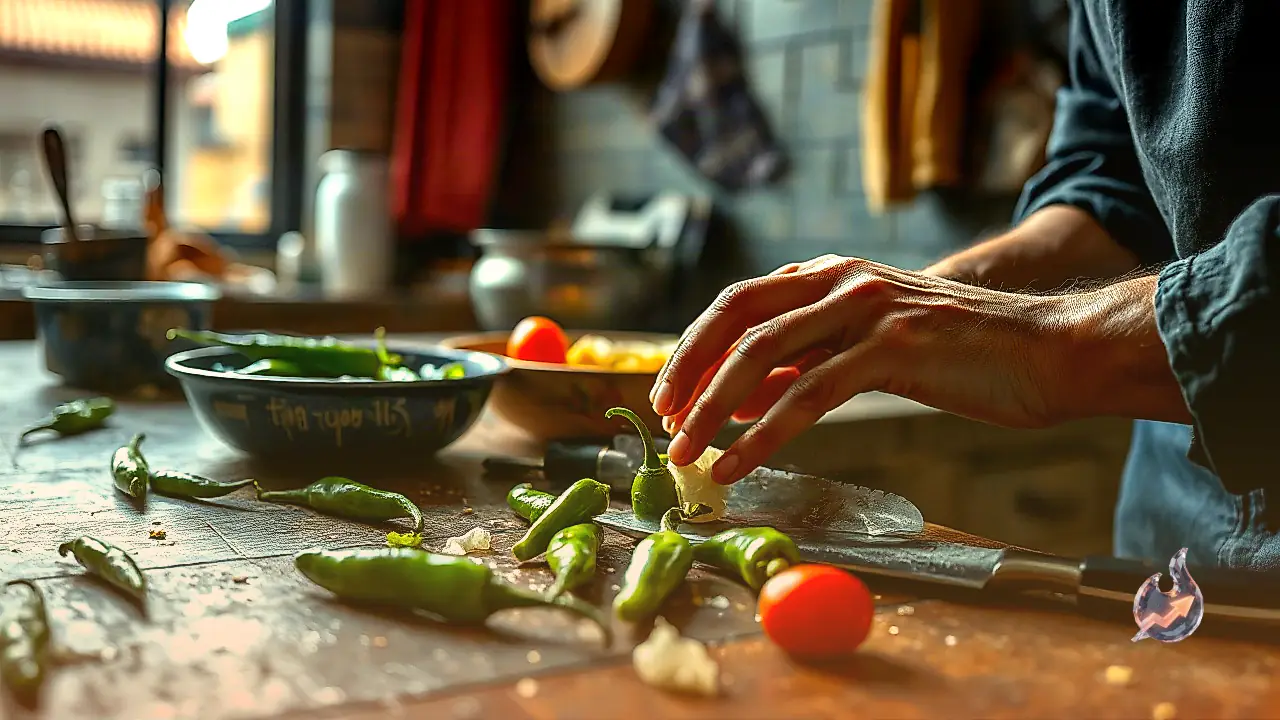
Locally known as ghongha in Hindi and aitha in the regional dialects of Bihar, these creatures prefer living in damp soil near freshwater sources. Vendors catch them using a specialized bamboo tool designed to trap them efficiently. Before putting them up for sale, traders remove the hard outer shell and thoroughly wash the edible inner flesh with clean water to make it ready for consumption.
Nutritional value and strong daily market demand
According to Heera, the prevailing market price for these snails is 200 rupees per kg. Packed with vital nutrients including iron, protein, and omega-3 fatty acids, local residents consume them with great enthusiasm. This high demand drives an average daily sale of two quintals in the local market, which peaks significantly during the months of August to October, touching up to three quintals per day.