
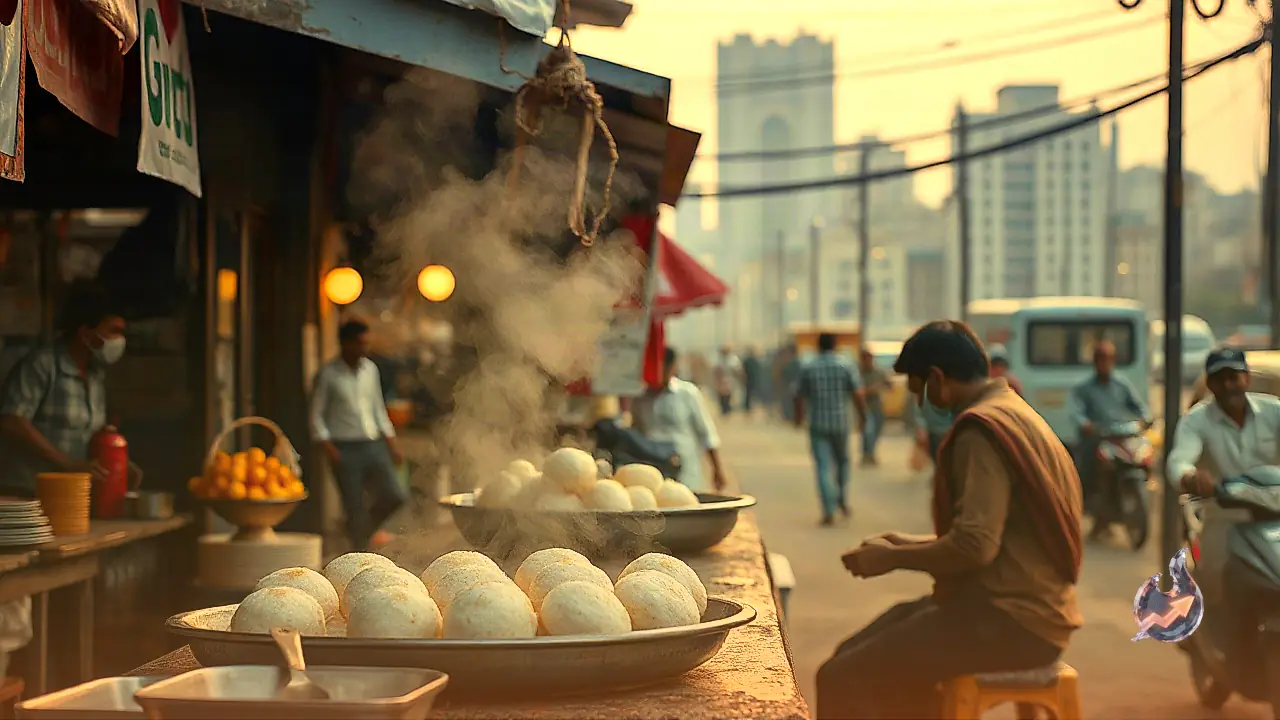





















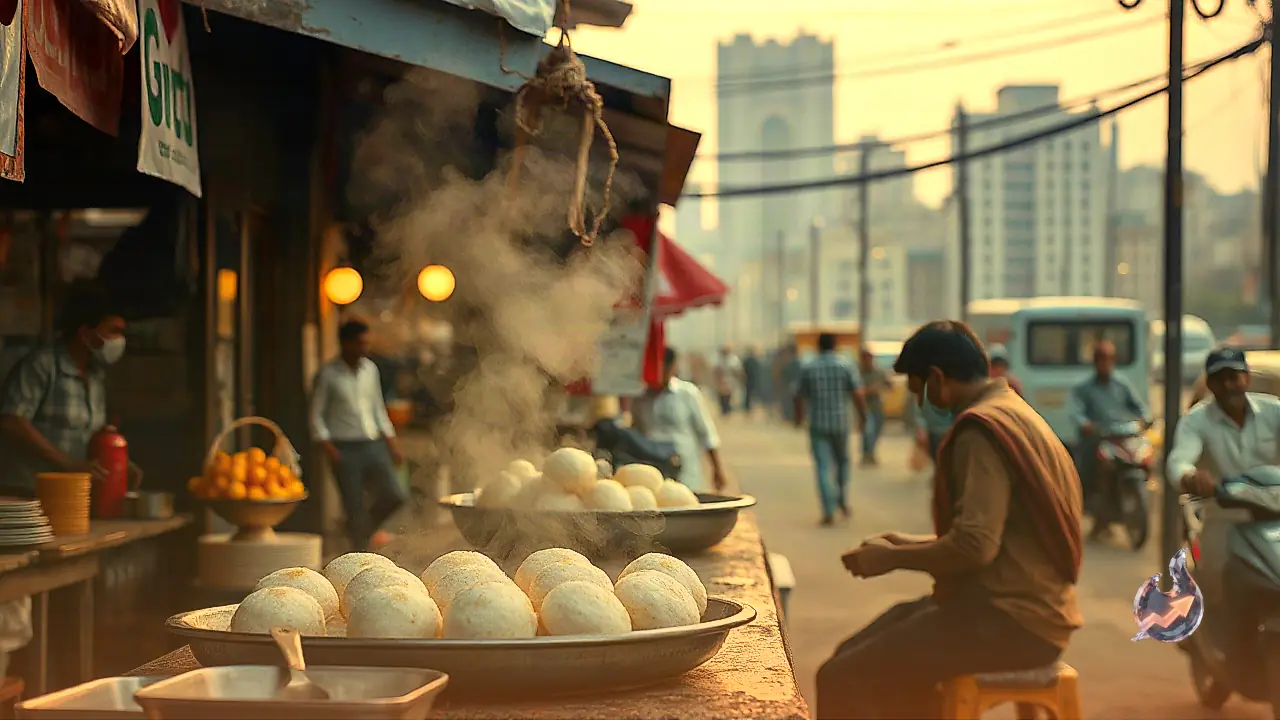

When exploring the vibrant culinary landscape of South India, it is impossible to overlook the ubiquitous presence of idli. Soft, fluffy, and gently steamed to perfection, this humble cake made of fermented rice and black gram batter is cherished across millions of households. While idli forms an essential part of the daily diet throughout the southern states, the capital of Tamil Nadu, Chennai, shares an extraordinarily deep bond with this culinary staple. From unassuming street corners and pocket-friendly tiffin centres to legacy dining institutions and chic contemporary eateries, freshly steamed idlis are always within arm's reach. Whether one is rushing to catch morning transit, looking for a midday snack, or seeking a light supper, idli remains the quintessential choice for residents across the city.
This unwavering food devotion has led food enthusiasts and travelers to widely refer to Chennai as the Idli Capital of the World. Although the moniker carries no formal governmental sanction or legal status, it perfectly encapsulates the sheer volume, consistency, and passion with which the city produces and consumes this dish. A stroll through Chennai reveals that idli here is far from monotonous; diners can encounter everything from timeless plain versions to spiced podi variations and nutrient-dense grain adaptations.
The Morning Routine and the Living Tiffin Heritage
To truly grasp idli's reign in Chennai, one must examine the city's celebrated tiffin tradition. In South Indian culinary customs, lighter meals consumed outside of heavy lunch or dinner hours are traditionally referred to as tiffin. Chennai's morning rhythms are practically defined by this practice, with residents routinely gathering to relish hot idlis, crispy dosas, golden medu vadas, and steaming bowls of spiced sambar. Among these staples, idli stands out as the ultimate convenience food, both for patrons and culinary establishments.
Because the batter is prepared and fermented in advance, batches of idlis can be rapidly steamed and served in a matter of minutes, accompanied by freshly churned chutneys and aromatic sambar. This efficiency is critical during high-tempo mornings when office workers, students, and commuters need a fast, nutritious, and wholesome meal. Over decades, this demand propelled idli from household hearths straight into commercial kitchens across every neighborhood, cementing the city's gastronomic identity firmly to this steamed delicacy.
The Science and Art Behind the Classic Preparation
The creation of an authentic idli hinges on an ancient yet scientifically sound fermentation method. The base recipe requires a balanced blend of parboiled rice and skinned black gram (urad dal). These grains are separately washed, soaked in water for several hours, and then ground down to achieve a smooth, airy batter. The resulting mixture is set aside in a warm environment to ferment naturally over several hours, allowing wild microflora to leaven the mixture.
Proper fermentation causes the batter to rise visibly, imparting a subtle tang and microscopic air pockets throughout. Once ready, the batter is ladled into greased circular depression plates designed specifically for idli steamers. Exposure to high-temperature steam cooks the batter in roughly ten to twelve minutes, yielding snowy-white, pillowy dumplings that possess a spongy resilience. Served hot straight from the steam rack, the idli provides a gentle, neutral canvas that absorbs accompanying sauces with ease.
The Essential Trio of Sambar and Coconut Chutney
A conventional serving of idli in Chennai appears minimalist, yet the sensory appeal lies in this very restraint. A standard portion features two or three piping hot idlis submerged in or accompanied by lentils-and-vegetable stew known as sambar, alongside a generous dollop of freshly ground coconut chutney. The sambar, brewed with pigeon pea lentils, drumsticks, shallots, and fragrant spice blends, supplies warmth and richness, while the cooling notes of grated coconut, roasted chickpeas, and tempered curry leaves offer a balancing crunch.
Culinary nuances differ noticeably from one restaurant to another. Some establishments prefer a fiery, pepper-forward sambar, while others favor a mildly sweet profile scented with asafoetida and fresh coriander. Aside from classic white coconut chutney, versions utilizing roasted tomatoes, shallots, or fresh mint are frequently presented. At heritage eateries, it is customary to ladle melted pure ghee directly over the steaming cakes, transforming an everyday meal into an indulgent feast. These subtle touches ensure that no two idli plates across the city feel entirely identical.
From Domestic Kitchens to Vibrant Commercial Outlets
The proliferation of idlis across Chennai is closely tied to the socio-economic evolution of the metropolitan center. As the city expanded into an administrative, educational, and manufacturing powerhouse, waves of individuals relocated to urban centers, requiring affordable and reliable dining options outside the home. The tiffin culture stepped into this space, transitioning home-style cooking into scalable commercial operations that operated around the clock.
Small mess halls and tiffin centers perfected the technique of churning out hundreds of identical, immaculate idlis per hour, ensuring affordability without compromising freshness. The ubiquity of these outlets turned eating idli into a shared civic experience where corporate professionals, auto-rickshaw drivers, and students stand side by side at steel counters. This democratization of good food has sustained the dish's popularity through changing demographic landscapes.
Beyond the Classic Steamed Round: Endless Innovation
While the standard round idli remains the gold standard, its plain profile makes it an exceptional base for creative culinary interpretations. In Chennai, one of the most beloved departures from tradition is podi idli. To make this dish, miniature button idlis or sliced regular idlis are generously tossed in molten ghee or cold-pressed sesame oil along with coarse spiced lentil gunpowder (idli podi), producing an aromatic, intensely flavorful coating.
Contemporary dietary preferences have also spurred the development of alternative grain formulations. Diners can readily find idlis prepared with finger millet (ragi), rolled oats, foxtail millet, and brown rice, catering to fitness enthusiasts and diabetic patients seeking lower glycemic alternatives. Furthermore, stuffed idlis filled with spiced potato masala or vegetable medleys are common, while leftover idlis at home are frequently pan-fried with mustard seeds, onions, and turmeric to create a crispy snack. Such versatility ensures that the humble dish never turns stale or predictable.
An All-Day, Digestible Nourishment for Every Age
Another fundamental reason behind idli's enduring dominance is its utter lack of temporal restriction. Though universally acknowledged as a premier morning meal, it serves equally well as a light afternoon lunch or an evening pick-me-up. Many diners consciously choose idli for dinner precisely because it provides substantive sustenance without placing stress on the digestive tract before sleep.
Because it is prepared via steaming rather than frying, idli contains virtually no fats unless added later, making it exceptionally heart-friendly. The bio-fermentation process breaks down complex starches and synthesizes essential vitamins, making it gentle on the stomach and suitable for all age brackets, from weaning toddlers to senior citizens. Even as contemporary fast-food chains proliferate across urban centers, the timeless reliability of idli guarantees its permanent residence in daily life.
A Title Bestowed by Everyday Devotion
Ultimately, calling Chennai the Idli Capital of the World is an affectionate tribute to an authentic, living food culture. It reflects the dedication of thousands of cooks, street vendors, and home cooks who uphold time-tested traditions every morning before sunrise. In a world of rapidly shifting culinary trends, the soothing comfort of a warm idli plate in Chennai serves as a reminder that simple, carefully crafted food remains the most enduring heritage of all.