



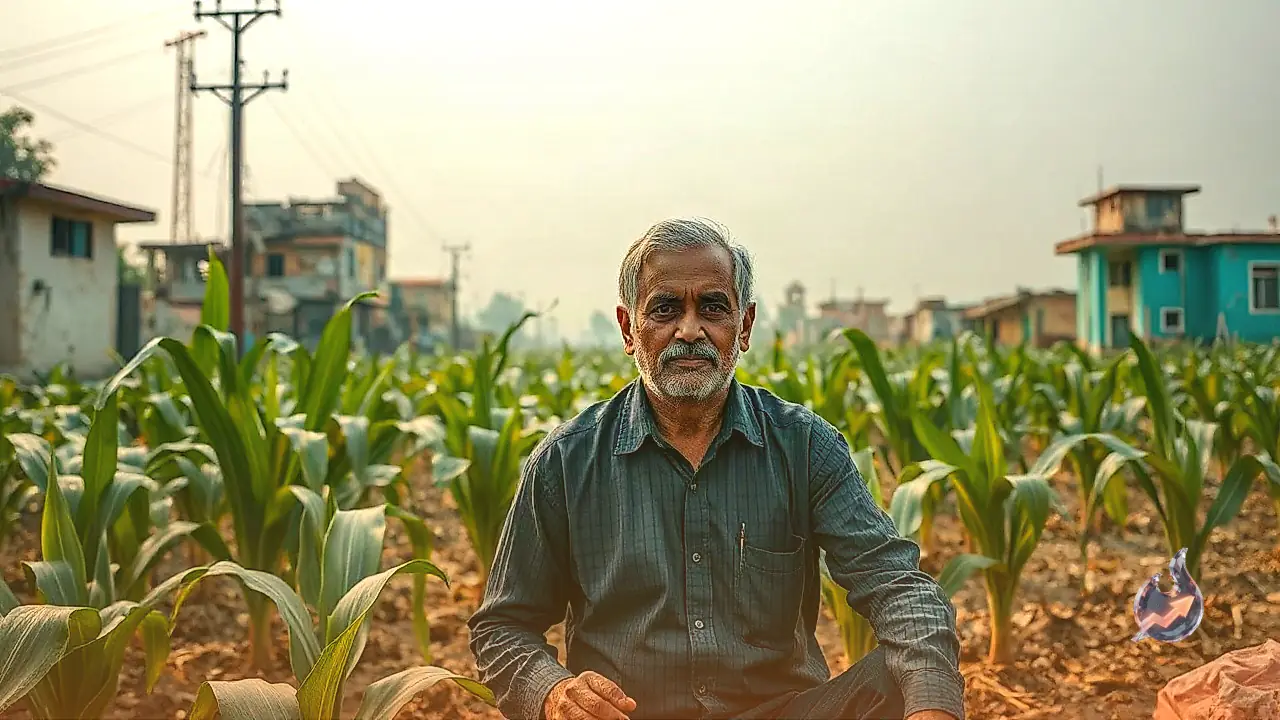



















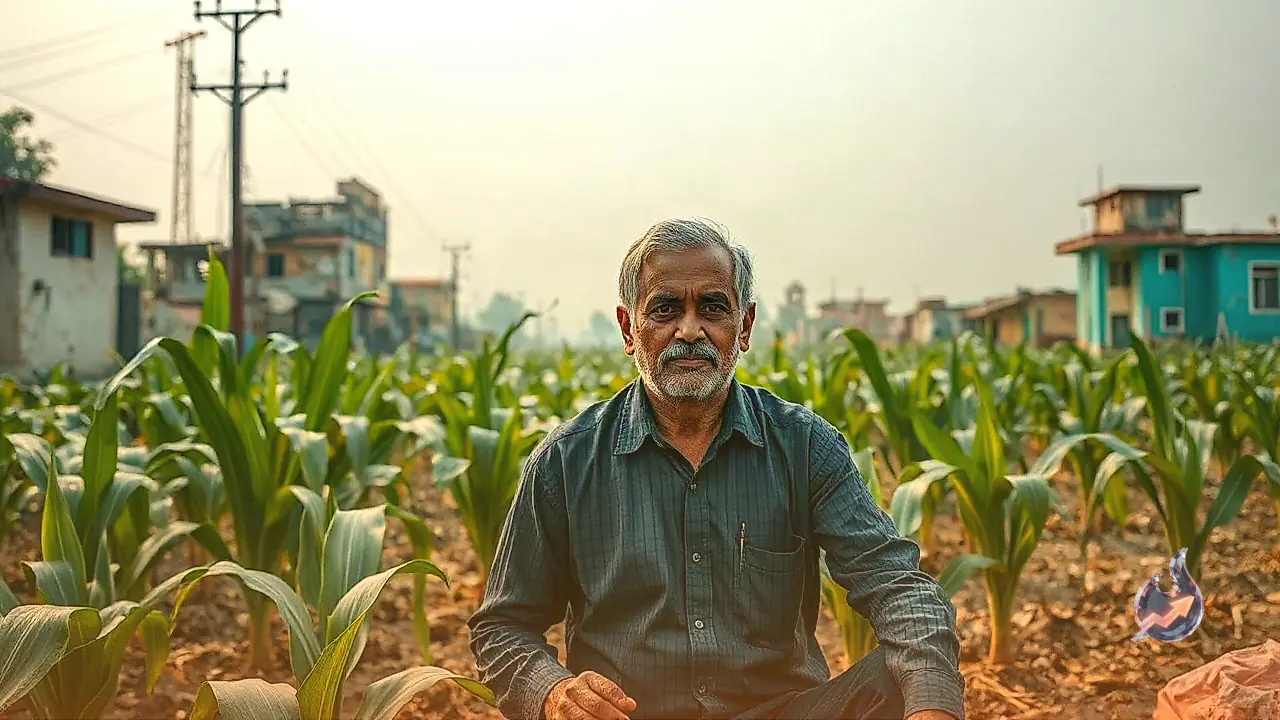

Agriculture forms the backbone of livelihood across Bihar, with a vast majority of the rural population depending directly on farming for survival. However, agricultural practices in the region are undergoing a noticeable transformation as local cultivators increasingly shift their focus toward high-value cash crops. Bhagalpur, a district traditionally celebrated for its aromatic Katarni paddy and Zardalu mangoes, has now emerged as a prominent hub for baby corn production. This specialized crop offers growers an exceptional opportunity to secure higher financial returns with relatively low production costs, driven by a robust and surging market demand. Recognizing this immense economic potential, the local agricultural department is actively providing necessary assistance and encouragement to help farmers adopt this profitable practice on a broader scale.
Pioneering Cultivation in Pirpainti
This agricultural diversification took root in the Pirpainti region of Bhagalpur, spearheaded by local farmer Pawan उपाध्याय. Discussing his journey, he noted that while sugarcane traditionally dominated local farming patterns, motivation and guidance from the agricultural department's Atma initiative inspired him to venture into baby corn cultivation. Inspired by his successful model, several other cultivators from the surrounding areas have now embraced this lucrative farming method. Production began on five acres of land in the previous year, and the total acreage has continued to expand steadily ever since, marking a significant shift in local agrarian trends.
Unlocking Double Profits in Just Three Months
One of the primary advantages that makes baby corn highly attractive to growers is its remarkably short maturation period, requiring only three months from sowing to harvest. Farmers can successfully implement a double-cropping cycle on the same plot of land, meaning that immediately after harvesting the first yield, a second crop can be raised to secure dual profits within a single season. At present, cultivators also have the flexibility to combine baby corn with green peas depending on seasonal requirements. This rapid turnover ensures that farmers do not have to wait long periods for financial returns, keeping their income steady throughout the year.
Zero Waste and Comprehensive Utility
The economic viability of baby corn farming is further reinforced by the fact that virtually no part of the plant goes to waste, and every component commands a strong market value. Tender baby corn ears fetch premium prices when supplied to upscale hotels and restaurants for culinary use. Meanwhile, the remaining stalks and leaves serve as nutritious green fodder for livestock, and leftover plant residues find practical utility as domestic fuel in rural households. Furthermore, the agricultural department is currently formulating strategic plans to ensure that baby corn grown locally within Bhagalpur is supplied directly to regional hotels rather than relying on external imports, thereby providing consumers with fresher produce while maximizing local market integration.