

















Grassroots talent and traditional craftsmanship across India are finding a robust gateway to mainstream consumer markets through structured government initiatives under the DAY-NRLM framework. The ongoing National Saras Fair in Vijayawada stands out as a significant milestone in empowering women-led rural enterprises. By bringing producers closer to institutional buyers and everyday consumers, these platforms actively bridge the gap between rural production hubs and major commercial centers, translating traditional skills into sustainable economic growth.
A Historic Shift Outside Delhi-NCR
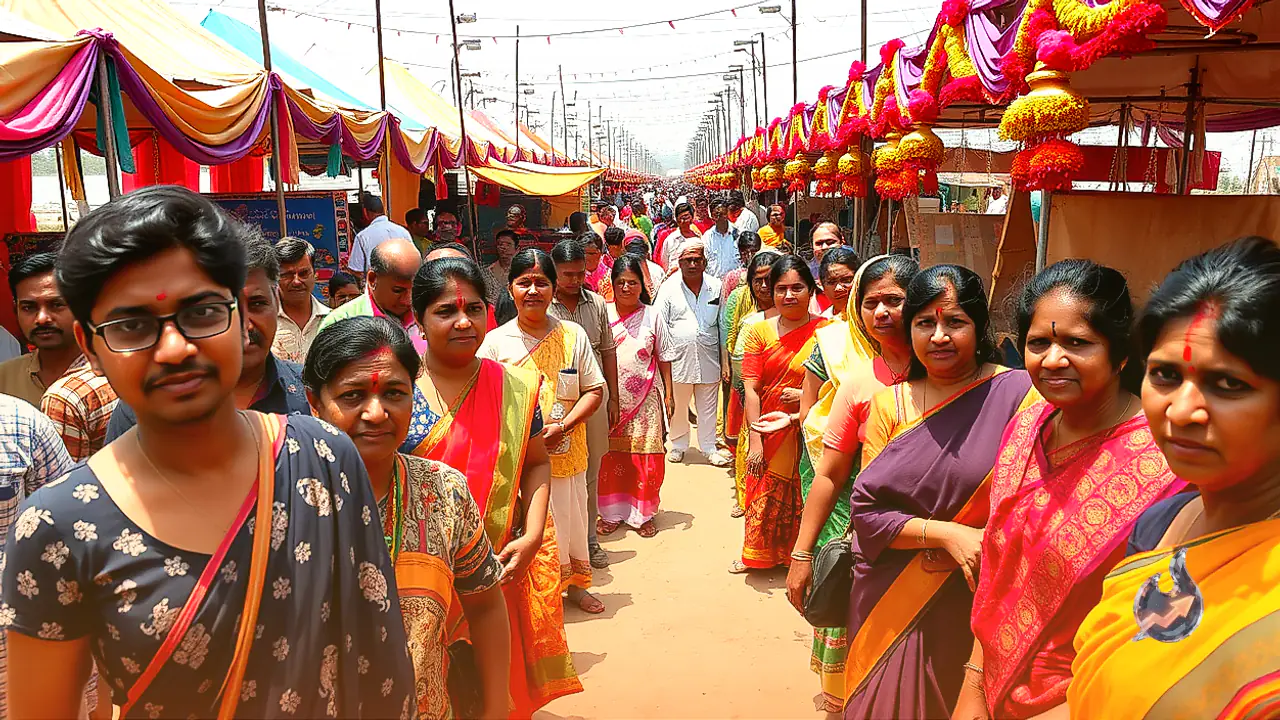
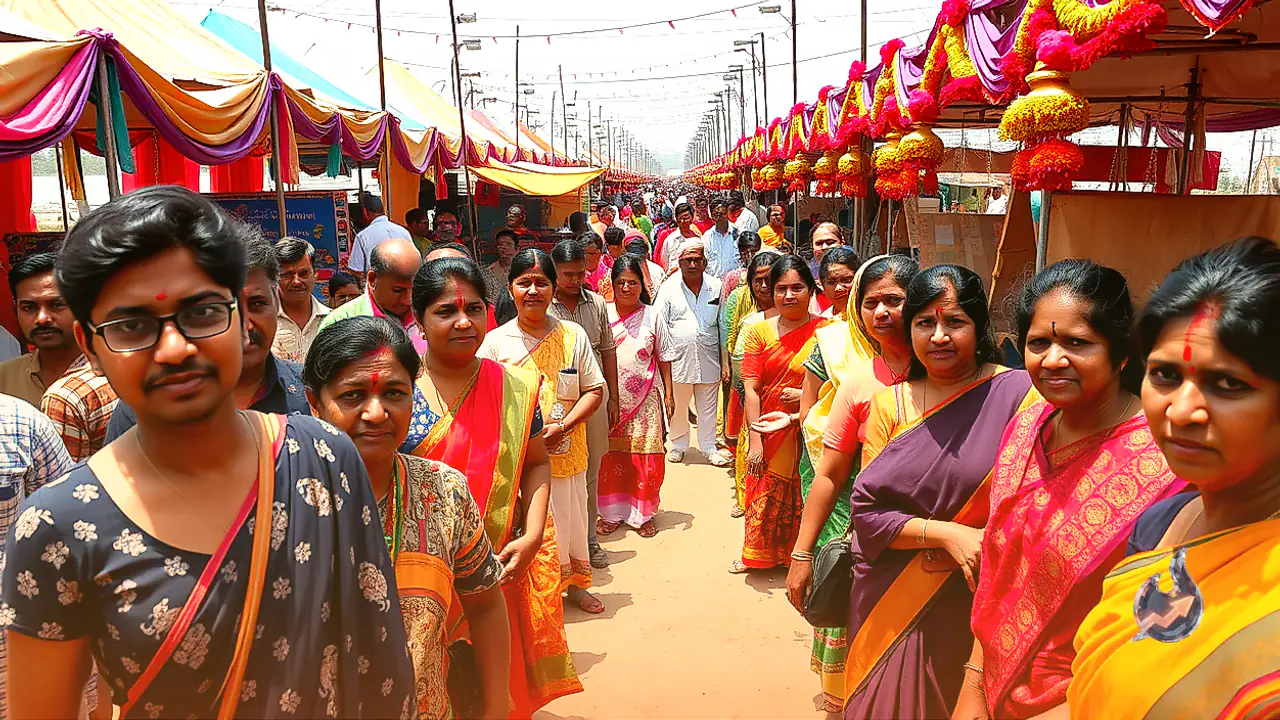
Hosted at Punnami Ghat in Vijayawada, this edition of the National Saras Fair represents a major departure from tradition as the very first national-level Saras event organized outside the Delhi-NCR region. The exhibition runs from October 13, 2026, to October 31, 2026, creating a vibrant commercial hub in the region. Approximately 1,500 women self-help group members and Lakhpati Didis from 34 states and union territories are showcasing their goods across more than 650 dedicated stalls. The expansive venue features regional textiles, intricate handicrafts, natural and processed food items, alongside an India Food Court, cultural performances, and designated learning zones that enrich the visitor experience.
Empowering Rural Micro-Enterprises
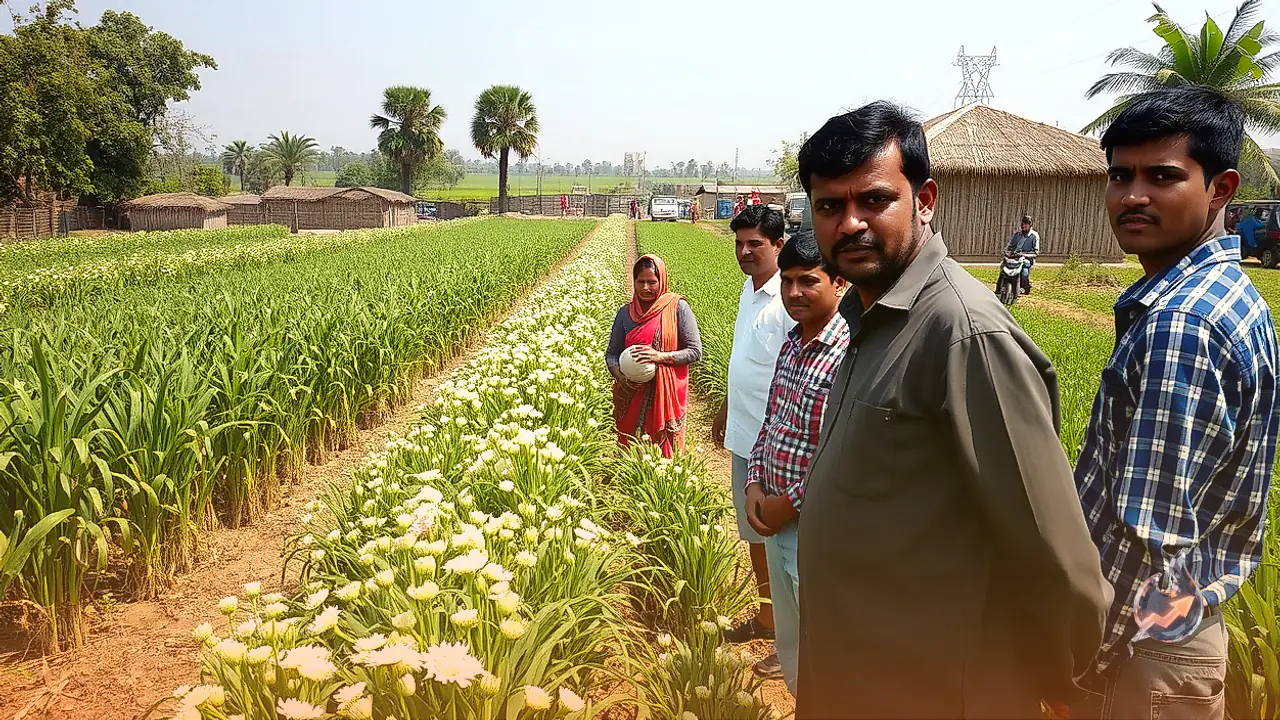
India boasts a vibrant rural economy deeply rooted in indigenous skills, traditional handicrafts, and unique entrepreneurial potential. Women self-help groups act as vital catalysts in channeling this creative energy from local communities into broader economic frameworks. Their offerings range from handloom garments and artisanal handicrafts to processed food items and specialized local artifacts. However, manufacturing a quality item is only the initial hurdle. Rural producers require direct market intelligence, consumer feedback, and reliable networking opportunities to scale their operations. Saras fairs serve as a practical bridge by placing women-led enterprises directly in front of buyers and institutions, evolving far beyond mere exhibitions into comprehensive market exposure platforms.
Decentralization and Local Growth
The strategic decentralization of the National Saras Fair reflects a broader national development vision aimed at bringing high-profile producer platforms closer to citizens across the entire country. Connecting local craftsmanship with diverse regional markets helps accelerate the organic growth of women-led micro-enterprises. This localized approach sets a precedent for organizing other major national events closer to regional populations, echoing strategies seen in decentralized international conferences. By moving key exhibitions away from major metropolitan centers, policymakers ensure that economic benefits reach deep into emerging urban and semi-urban clusters.
The Strategic Role of DAY-NRLM
As a flagship government intervention, the Deendayal Antyodaya Yojana-National Rural Livelihoods Mission focuses heavily on eradicating rural poverty and fostering sustainable economic empowerment for women. Operating primarily through self-help groups and their federated networks, the mission facilitates financial inclusion, capacity building, and long-term livelihood support. It equips participants with essential technical skills, financial literacy, and market linkages that enhance product visibility and branding. Because sustainable enterprise development relies heavily on continuous consumer interaction and institutional support, these fairs provide the vital physical and digital touchpoints necessary for long-term commercial viability.
From Humble Beginnings to National Scale
The institutional journey of the Saras fair began back in 1999 with an inaugural national event in Delhi featuring roughly 65 beneficiaries. Over the decades, the initiative has expanded exponentially across national, regional, state, and district tiers. To date, a total of 117 national Saras fairs have been successfully conducted, collectively generating annual sales exceeding ₹200 crore. In addition to flagship national events, individual states and union territories host at least two state-level fairs annually, resulting in roughly 50 similar exhibitions nationwide each year. These structured gatherings consistently drive brand recognition, buyer-seller networking, and comprehensive enterprise development.