





















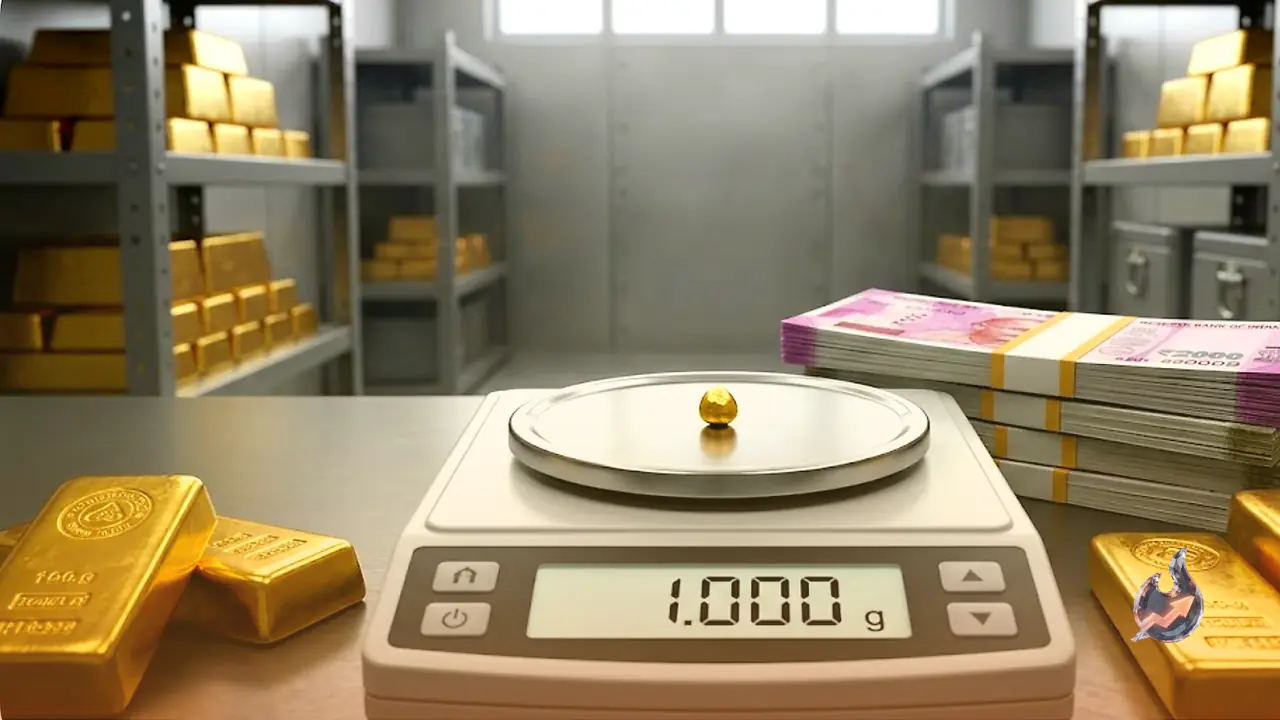

For years, gold has been another word for safety in the world of investing. But the speed at which its price has climbed in recent years has caught everyone's attention. Now some market watchers estimate that the metal will keep getting dearer, and that by 2030 the price of one gram of gold could reach around Rs 30,000. At that rate, eight grams of gold would cost close to Rs 2.4 lakh.
This is only an estimate, not a firm figure. Even so, it points to the direction the coming years may take, with gold slowly slipping out of the reach of ordinary buyers. That is exactly why it is increasingly seen as a valuable long-term investment.
Why prices keep climbing
Today's global economic conditions, persistently rising inflation and heavy buying by central banks are together seen as the biggest reasons behind gold's rally. Analysts say these factors could push gold to fresh record levels in the years ahead.
Gold has long been the kind of asset that helps shield wealth from the bite of inflation. Its price does swing up and down, yet over the long run the trend has been upward. That track record is why both investors and central banks treat it as a safe investment. Strong demand and limited supply keep it among the most favoured assets even today.
Central bank buying adds pressure
Over the past few years, the central banks of many countries around the world have sharply increased their gold reserves. That has kept demand in the market consistently strong. When demand rises quickly and supply does not keep pace, upward pressure on prices becomes almost inevitable. This is why global uncertainty, inflation and growing bank purchases are counted among the key drivers of the rally.
Limited supply is another big factor
A major reason behind rising prices is gold's limited supply. The pace of discovering new gold mines has slowed, while the cost of extracting gold from existing mines keeps climbing. Mining companies now have to invest more than before to keep production going, and that weighs directly on supply. On the other side, demand from investors, the jewellery sector and central banks remains firmly strong. It is this imbalance between demand and supply that leads many analysts to believe the upward trend in prices could continue in the years ahead.
Inflation and the rupee's shrinking power
If inflation stays high in the coming years, the purchasing power of the rupee could weaken further. In plain terms, people would have to spend more money to buy the same goods in the future. In such an environment, investors usually turn to safe assets like gold, which pushes its demand even higher. Some market experts estimate that gold could touch the Rs 30,000 per gram level by 2030. Even so, the actual price will depend on the economic situation, interest rates and the state of the global market at that time.
What to keep in mind before investing
Many financial experts believe that over the long term, gold can help guard against inflation and keep a portfolio balanced. But before making any investment, it is important to carefully assess your own financial situation, your appetite for risk and your investment goals.