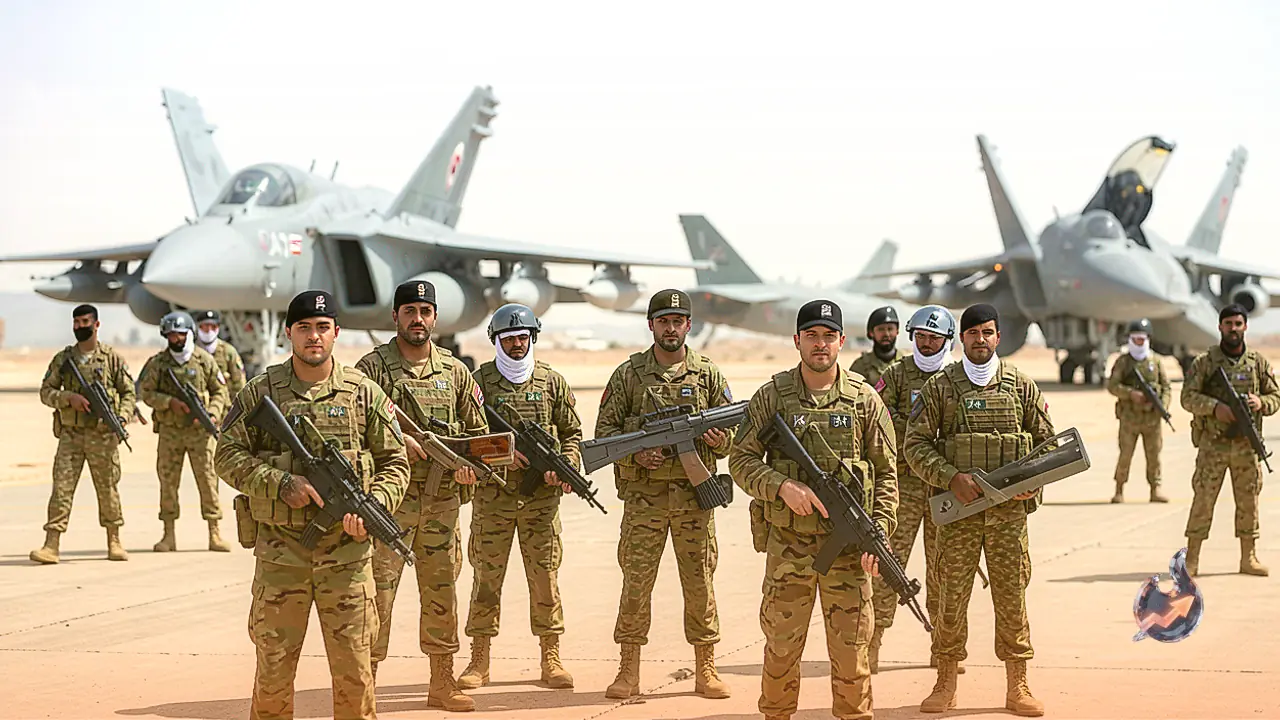























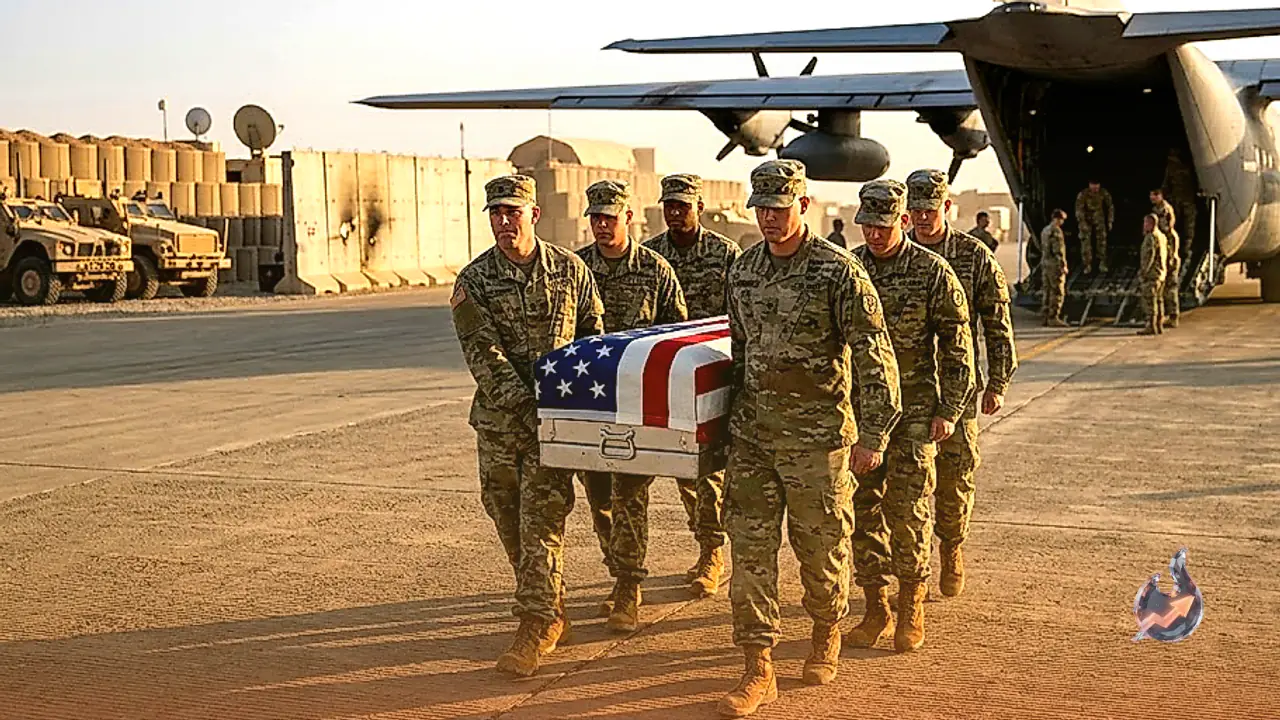

A devastating drone and ballistic missile assault launched by Iranian forces in Jordan has resulted in the deaths of two American service members, while another remains unaccounted for. This escalation has intensified the regional conflict, prompting swift responses from both US military command structures and neighboring defense forces.
Casualties and Medical Response
The US Central Command, widely known as Centcom, issued an official update regarding the physical impact of the strikes on American personnel. According to the military command, four US service members required urgent medical evacuation to various hospitals within Jordan to treat their injuries. Following medical evaluations and necessary treatments, all four of these individuals have since been discharged from the hospital facilities. Additionally, several other service members who sustained relatively minor injuries during the bombardment have already returned to their active duty stations.
Jordan's Air Defense Actions
Jordan's own military forces played an active role during the overnight hostilities. Defense officials from Jordan confirmed that their air defense systems successfully intercepted a total of 10 Iranian ballistic missiles that had been fired directly into Jordanian airspace. Fortunately, the military authorities in Jordan reported that no physical damage or casualties occurred on the ground as a result of these interceptions or falling debris.
The Breakdown of Diplomatic Agreements
This latest flare-up comes amid a broader collapse of diplomatic efforts between the two nations. In June, Washington and Tehran had managed to strike a preliminary deal aimed at bringing a decisive end to the ongoing war. However, this diplomatic understanding proved short-lived, completely unravelling within less than a month of being signed by the respective parties. The situation reached a critical breaking point when President Donald Trump declared that the temporary ceasefire agreement was officially "over." Following this declaration, the United States military launched its seventh consecutive night of retaliatory airstrikes targeting locations inside Iran.
Rising Death Toll on Both Sides
The overall human cost of this conflict continues to climb rapidly. With these latest deaths in Jordan, the total number of American military fatalities in this specific theater of conflict has risen to 16. This figure was further elevated earlier this week after an American Navy pilot, who had gone missing earlier in the month, was officially declared dead, marking the second time this week that the US military death toll had to be adjusted upward.
On the other side, the casualties from US military operations inside Iran have also been severe. According to reports from Iranian state media, which cited statistics provided by the country's official health ministry, at least 50 individuals have been killed over the last three weeks of American airstrikes. The same health ministry sources reported that more than 500 people have been injured during this intense three-week bombardment campaign.
Blockades and Maritime Chokepoints
Hostilities between the two adversaries have surged dramatically over the past week, driven by significant maritime maneuvers. In a bid to exert economic and strategic pressure, the United States decided to reimpose a strict naval blockade on various Iranian shipping ports. In immediate retaliation to this blockade, authorities in Tehran responded by declaring the vital Strait of Hormuz closed to maritime traffic. This closure of one of the world's most critical oil transit chokepoints has further heightened fears of a massive disruption to global shipping and energy markets, cementing the transition from localized skirmishes back into a full-scale regional confrontation.