





















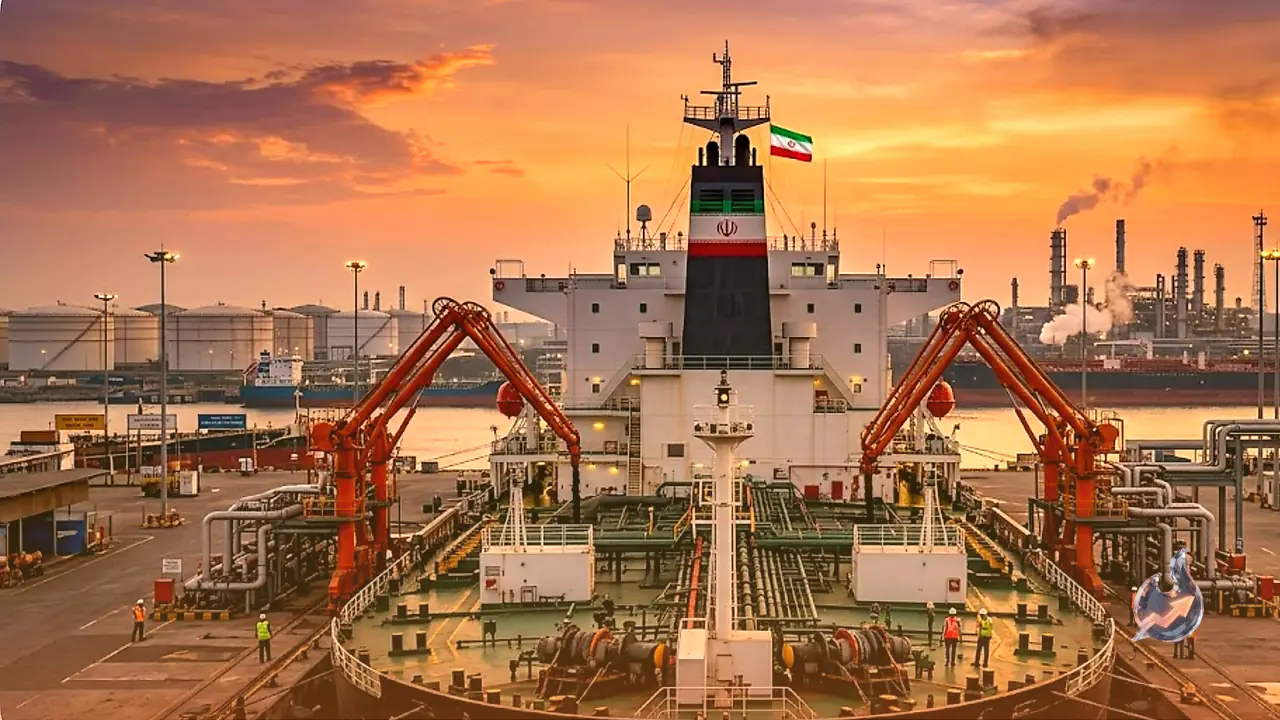

New Delhi. Amidst the ongoing strain of high global crude oil prices, Indian refineries have encountered a significant opportunity to secure cheaper energy supplies. Following a temporary relaxation of sanctions by the United States, several intermediaries are approaching India with offers to sell discounted crude oil. This new proposition does not come from Russia, but rather from another long-standing partner. With Washington lifting energy-related restrictions on Iran for a period of 60 days, various traders are now actively pushing to supply Iranian oil to the Indian market. Industry experts estimate that this deal could allow India to save between $3 and $4 per barrel relative to the cost of standard benchmark crude.
Direct Engagement with National Iranian Oil Company
Sources within the Indian refining sector suggest that Tehran is eager to ramp up its exports during this short window of opportunity provided by Washington’s waiver. Contact has been established directly with the National Iranian Oil Company (NIOC) as well as through various middlemen who claim to have secured the oil from the Iranian state-owned producer. A refining official noted that while many traders are currently soliciting interest in Iranian crude, the primary objective remains to prioritize direct engagement with NIOC wherever possible.
Pricing and Supply Constraints
NIOC has been informing Indian buyers that their crude will be priced $3 to $4 per barrel lower than other comparable regional grades. The intermediaries reaching out to Indian refineries are primarily small to medium-sized trading firms based in Singapore and Dubai. During the recent visit of Iranian Petroleum Minister Mohsin Paknejad to New Delhi, discussions were held regarding the potential supply of crude oil and LPG. However, Indian refineries currently face limited flexibility in the near term; most have already secured their supply requirements through August and are under pressure from Middle Eastern suppliers to fulfill existing long-term annual contracts.
Historical Context and Payment Hurdles
India has previously imported Iranian LPG through intermediaries, and these volumes could potentially increase under the current sanctions waiver. Nevertheless, commercial negotiations may take time to finalize, primarily because the mechanisms for payment and the necessary banking channels remain unclear. In April, following a 30-day waiver from Washington, India received two shipments of Iranian crude, which were settled using Chinese Yuan. Historically, around 2010, Iran was India’s second-largest supplier of crude oil. However, due to tightening US sanctions, New Delhi was forced to gradually reduce its intake before completely halting the purchase of Iranian crude in May 2019.