























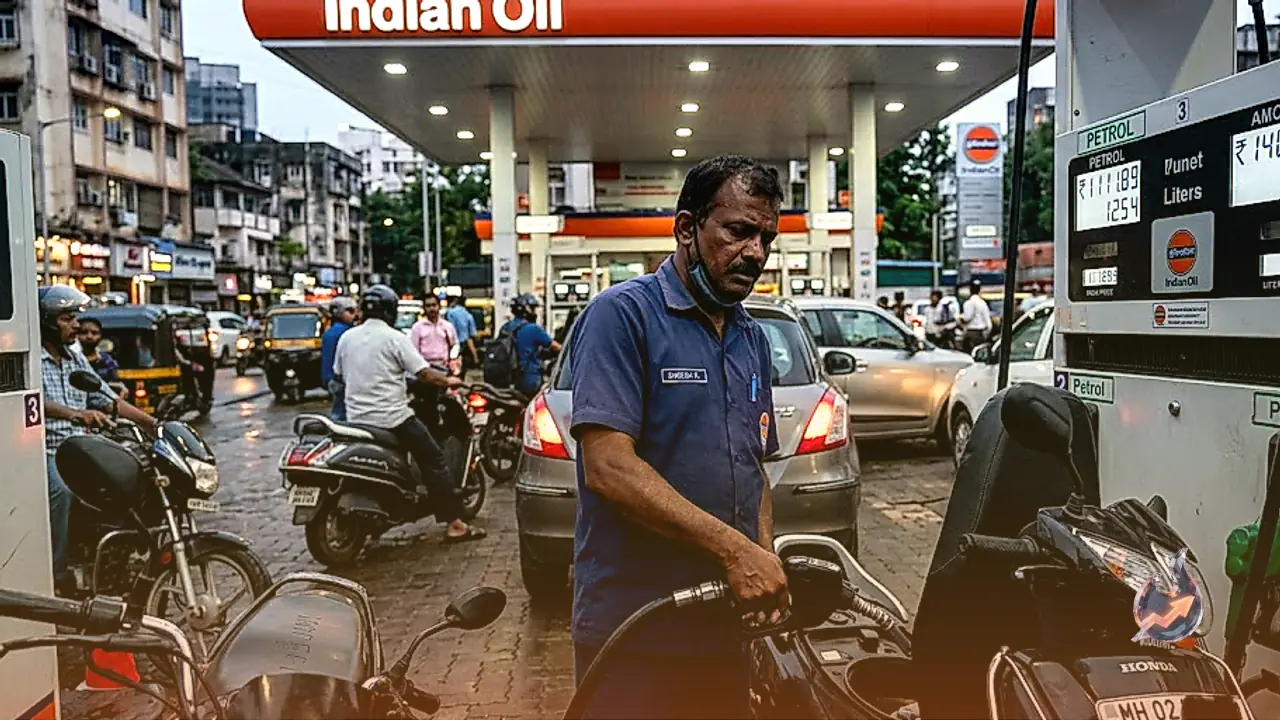

A sharp escalation in geopolitical friction across West Asia combined with lingering supply chain concerns has triggered a dramatic rally in global energy markets, driving Brent crude oil past the critical $100 per barrel threshold. This sudden price spike has thrown the financial calculations of state-owned Indian oil marketing companies into severe disarray. Despite the soaring cost of imported crude oil, domestic retail fuel rates in India have been held steady, forcing oil marketing companies to absorb substantial financial losses on every liter of petrol and diesel sold across the country.
Factors Driving the Global Crude Oil Surge
The latest wave of price increases in international petroleum markets stems primarily from intensifying diplomatic and military friction between the United States and Iran. Market participants remain increasingly anxious over potential supply bottlenecks originating from key crude-producing hubs in West Asia. During Wednesday's trading session, international benchmark Brent crude appreciated by approximately 2.5%, breaking above the $100 per barrel mark. Simultaneously, US WTI crude registered a gain of nearly 2%, reaching approximately $95 per barrel. Energy analysts caution that if these geopolitical tensions persist over an extended duration, international crude prices could face further upward pressure.
Quantifying OMC Losses Across Petrol, Diesel, and LPG
The gap between international procurement costs and domestic retail realization has translated into steep marketing losses for state-run refiners. According to assessment details provided by Prashant Vasisht, a senior official at credit rating agency ICRA, based on average crude oil prices recorded during September so far, oil marketing companies are operating with a negative marketing margin of roughly ₹5 per liter on petrol. The financial strain is even more severe on diesel, where companies are incurring a loss of approximately ₹23 per liter. Beyond transport fuels, state refiners are also absorbing an under-recovery of nearly ₹200 per cylinder on domestic LPG sales. This imbalance persists because domestic retail rates have not been revised to reflect the elevated international price environment.
Domestic Retail Prices Remain Frozen for Over Three Months
Retail pump prices for petrol and diesel in India have remained entirely static for more than three consecutive months. The last recorded modification to fuel rates took place on May 25, when petrol was raised by ₹2.61 per liter and diesel by ₹2.71 per liter. That adjustment marked the final step of a broader price alignment in the second half of May, during which rates were increased across four distinct tranches. In total, those four revisions had elevated petrol prices by ₹7.35 per liter and diesel prices by ₹7.53 per liter. Since that period, pump rates have remained locked despite turbulent movements in global benchmark prices.
Economic Pressure and Escalating Import Liabilities for India
The sustained surge in global oil prices presents a formidable macroeconomic challenge for India, which relies on overseas purchases to meet over 88% of its total crude oil requirements. Consequently, any upward movement in international spot rates translates directly into an expanded national import bill. Data covering the April to July period highlights that India's crude oil import bill expanded by more than 56% to reach $63.4 billion, compared to $40.5 billion recorded during the corresponding period of the previous year. If elevated crude prices coincide with weakness in the Indian rupee, the economy could confront heightened inflationary pressures, ultimately stretching consumer budgets across the country.