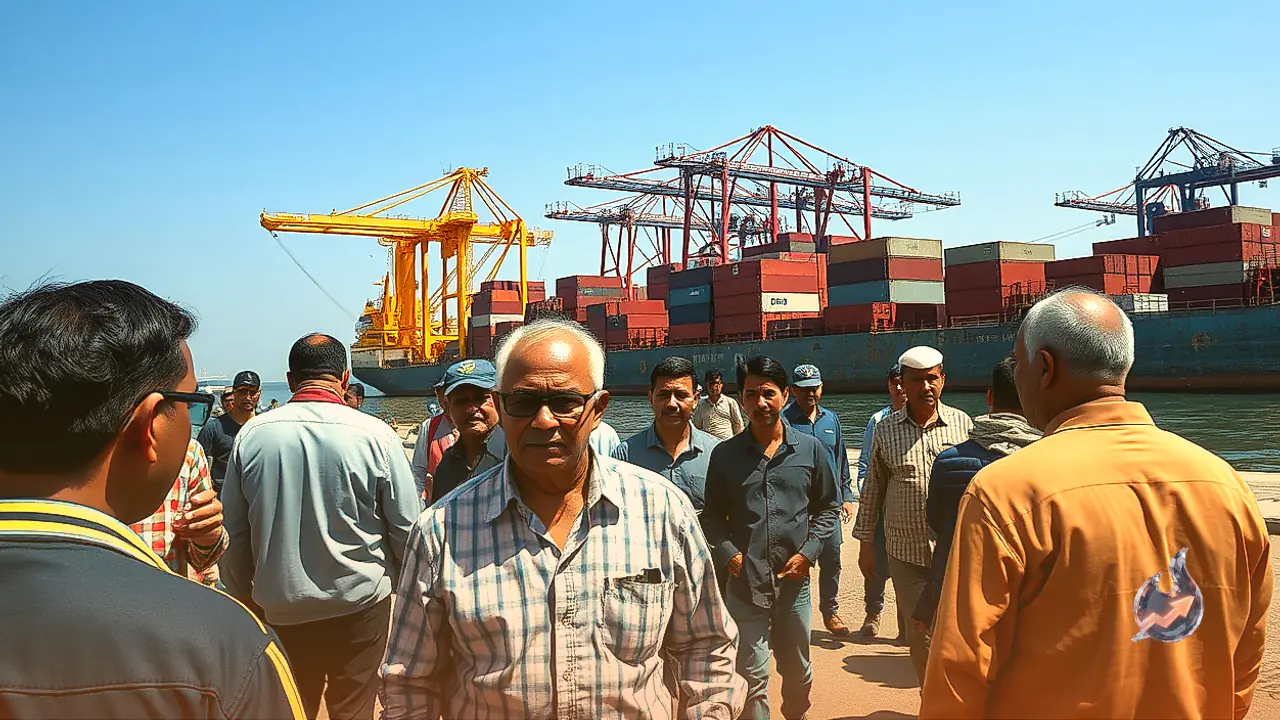























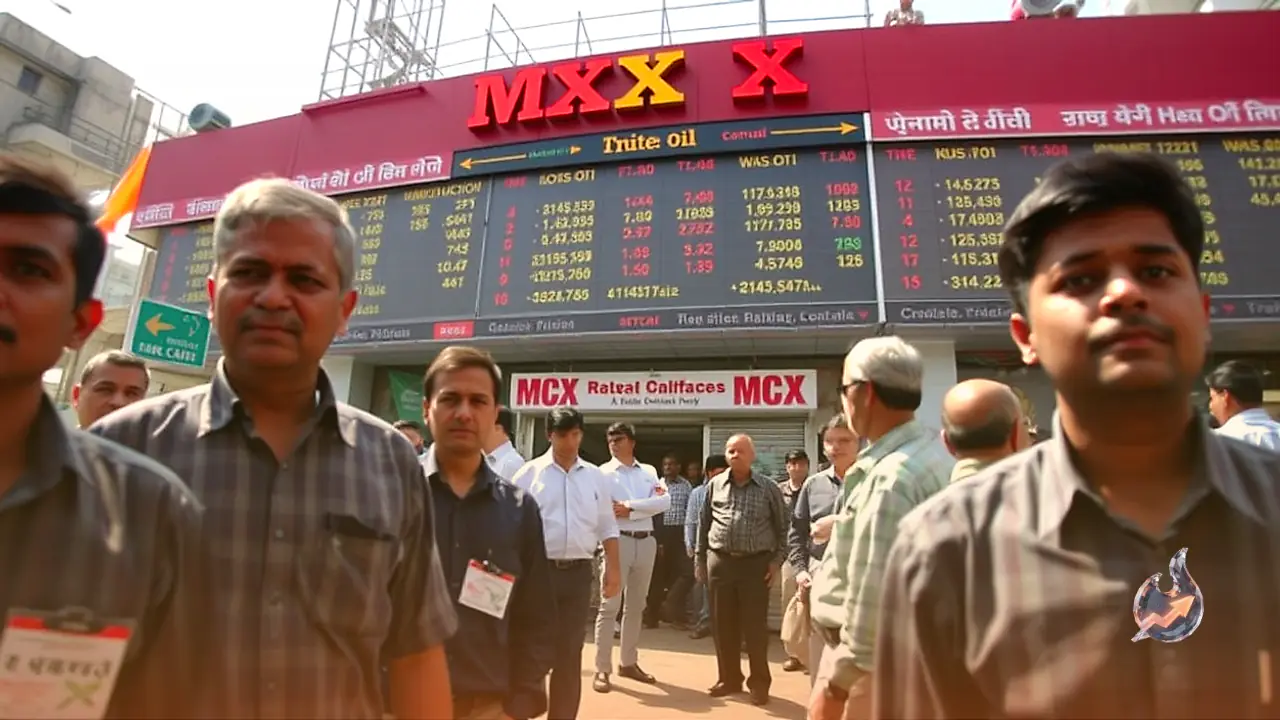

Crude oil benchmarks faced notable downward pressure on Monday as energy traders worked to balance escalating geopolitical confrontations across the Middle East against a steady production stance from OPEC+. Amid this tug-of-war in market sentiment, oil prices slid toward the $90 per barrel threshold. On the domestic front, the Multi Commodity Exchange (MCX) reflected sharp selling, where crude oil contracts scheduled for October 19 delivery were trading at Rs 8,674 per barrel around 11:22 AM, registering a drop of 2.71 percent or Rs 242.
Domestic Exchange Movement and Previous Close Context
In the opening session of the week, crude oil kicked off trading on the MCX platform at Rs 8,665 per barrel. This followed a previous closing figure of Rs 8,916 per barrel recorded on Thursday of the preceding week. Trading activity had remained entirely suspended on Friday on account of Gandhi Jayanti. During Monday's regular market hours, significant price swings were recorded across the board. The contract registered an intraday high of Rs 8,720 per barrel before touching an intraday low of Rs 8,644 per barrel.
International Benchmarks: WTI, Brent, and Murban Trends
Global commodity trackers highlighted divergence across key grades around 12:20 PM on Monday. Overseas markets saw WTI Crude trading lower by 1.10 percent at $90.11 per barrel. Global benchmark Brent Crude similarly lost ground, declining 0.61 percent to hover at $101.6 per barrel. Defying the broader downturn, Murban Crude moved in the opposite direction, advancing 1.30 percent to touch $110.8 per barrel during international trade.
Yemen Military Developments at Bab al-Mandab Chokepoint
Underlying supply risks remain elevated in the region following the launch of extensive military operations in Yemen by Saudi-backed forces. These ground actions aim to wrest back territories previously held by Iran-backed Houthis. The conflict directly impacts international shipping lanes, as Houthis had earlier seized control of the Bab al-Mandab chokepoint, a critical corridor connecting the Red Sea with the Gulf of Aden that handles vital global energy flows.
OPEC+ Output Quotas and G7 Emergency Reserve Response
According to Ajay Kedia, Director at Kedia Advisory, key members of OPEC+ have agreed to maintain their production quotas without any alterations for the upcoming month, even in the face of persistent supply bottlenecks. Crude values have once again been drifting toward the $100 per barrel mark, while retail fuel stations are seeing diesel prices touch all-time record highs. To counter these escalating pricing pressures, G7 member nations are releasing barrels from their emergency oil reserves. This joint release is slated to inject short-term supply into a fragile global market currently pressured by compounding geopolitical and maritime transit obstacles.