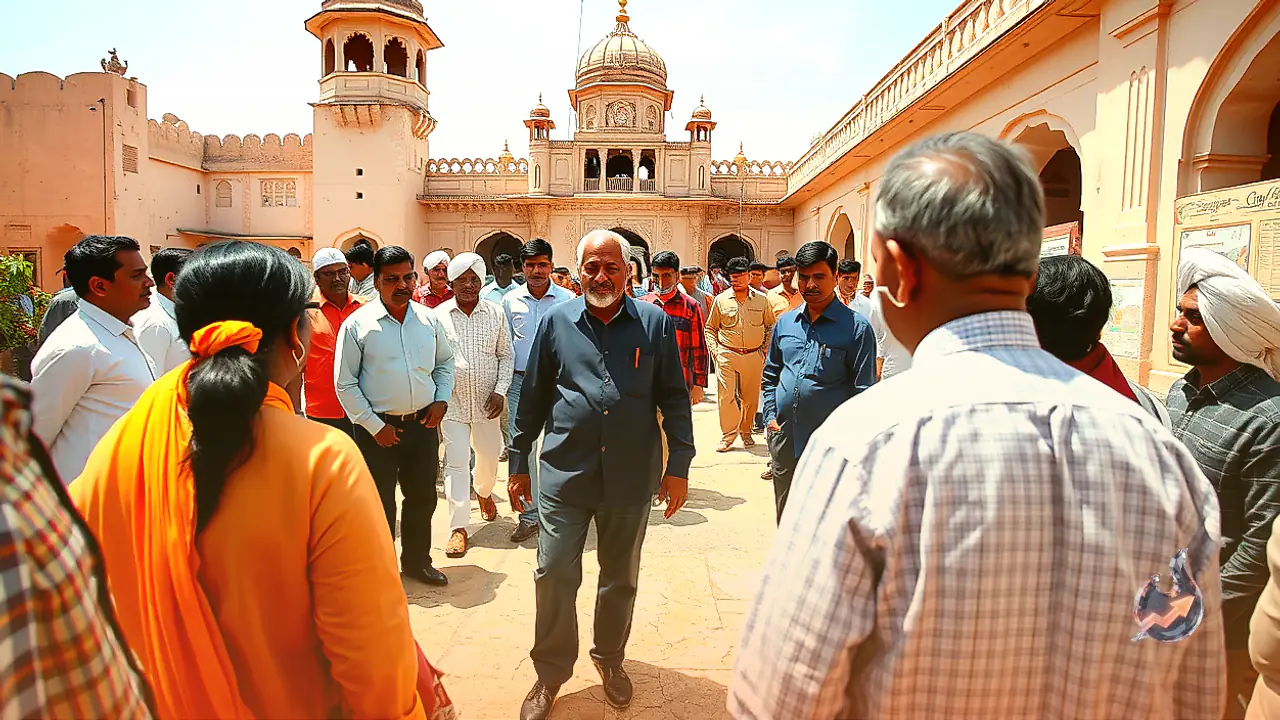
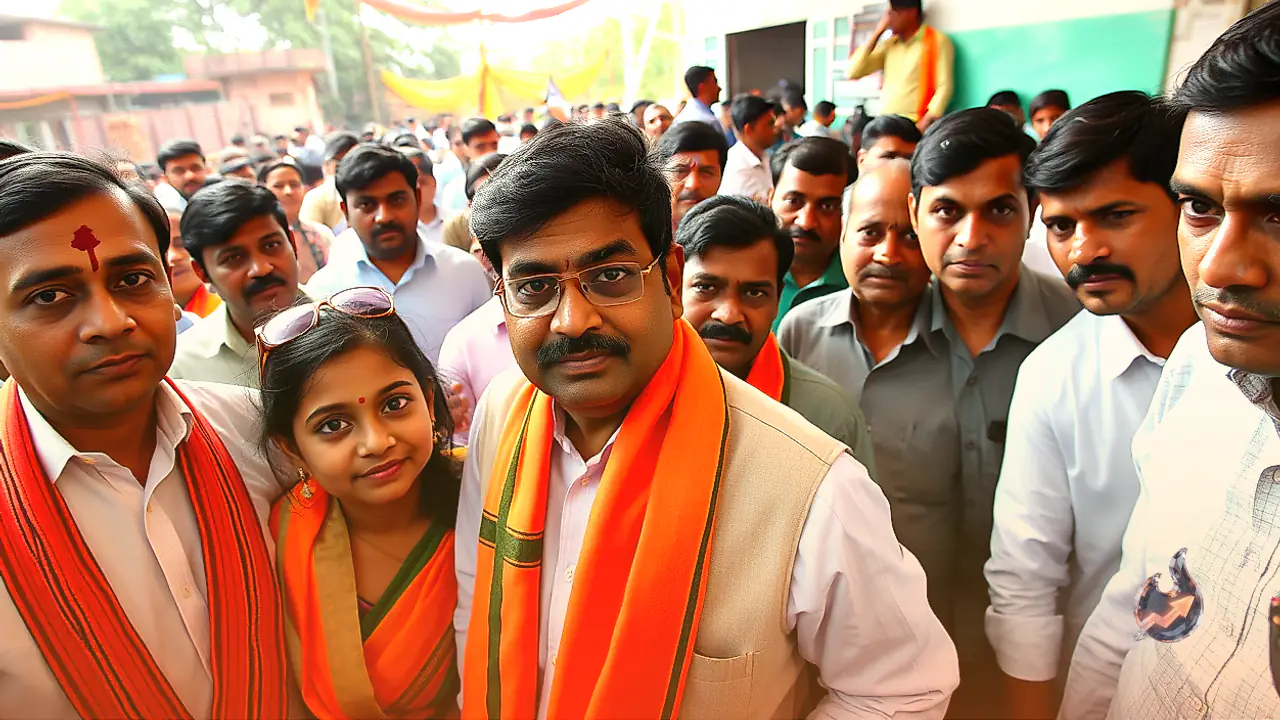
















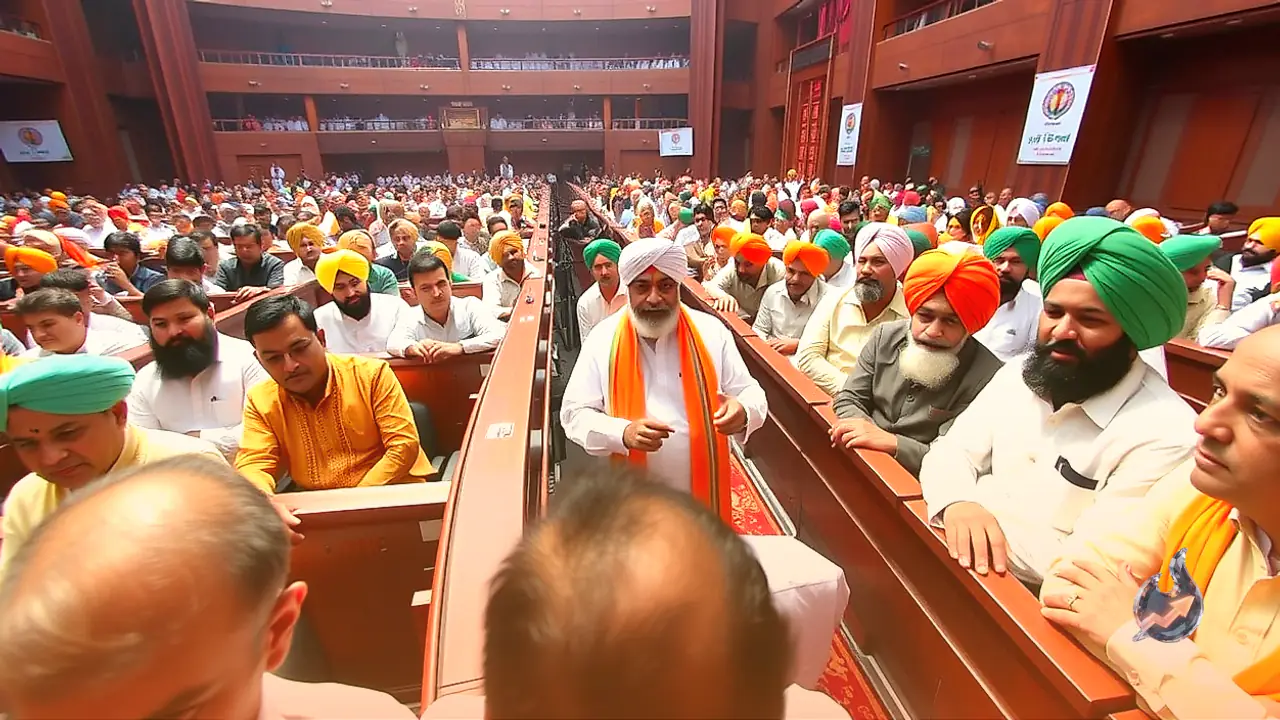

Marking his first visit to Jhunjhunu following his elevation to the role of Bharatiya Janata Party national general secretary, Rajya Sabha MP Dr. Satish Poonia laid down a decisive electoral blueprint for Punjab. Announcing the party's roadmap as its newly appointed Punjab in-charge, Poonia stated that the BJP intends to field candidates across all 117 assembly seats in the state without entering into alliances. Emphasizing his personal dedication, he remarked that he will leave no stone unturned in converting the trust placed in him by the central leadership into undeniable success on the ground. Earlier, party workers organized a welcoming reception for him in Dundlod, Jhunjhunu.
Expanding Grassroots Reach in Historically Challenging Ground
Dr. Satish Poonia addressed the political complexity of the border regions, acknowledging that commentators have traditionally viewed Punjab and Jammu and Kashmir as demanding battlegrounds for the BJP. However, he maintained that sustained organizational campaigns, community outreach programs, and coherent public policies have enabled the party to steadily carve out a formidable foothold in Punjab. The electorate in the state has previously tested governance under the Akali Dal, the Congress, and currently the Aam Aadmi Party. According to Poonia, ordinary citizens are now actively regarding the BJP as a credible and forward-looking governance alternative.
Targeting the incumbent dispensation in Punjab, Poonia pointed out that widespread dissatisfaction is mounting against the Aam Aadmi Party administration. He highlighted rising drug addiction, lawlessness, criminal incidents, and rampant corruption as primary grievances driving an unmistakable wave of anti-incumbency across villages and urban centres alike, prompting the public to look toward fresh political leadership.
From Modest Footholds to Forming Governments
Drawing historical parallels to illustrate the party's potential in Punjab, Dr. Satish Poonia referenced the BJP's trajectory in states like Odisha, West Bengal, and Haryana. He underscored that in each of these regions, the party initially operated with a constrained organizational base before systematically expanding its presence to capture power or emerge as the principal pole of governance. Even in Haryana, where the political environment presented intense headwinds and challenging conditions, the organization delivered commendable electoral dividends.
Poonia asserted that under Narendra Modi's national leadership, the concept of a double-engine government has earned broad democratic approval across multiple Indian states. He expressed confidence that Punjab too would choose to align with this developmental momentum to revitalize its economy and public infrastructure. Reinforcing his commitment, Poonia noted that the party will dedicate equal determination to fortifying booth networks and broadening its political foundation across both Punjab and Jammu and Kashmir.
Critique of the INDI Bloc and Internal Turmoil in Punjab Congress
Turning his focus toward national and regional opponents, Poonia launched a sharp offensive against the INDI alliance. He likened the participating regional and national outfits to horses pulling frantically in completely divergent directions, labeling the coalition a makeshift arrangement cobbled together without unified ideological coherence or long-term political viability across the nation.
Addressing queries regarding the organizational shakeup and replacement of the state party chief in Punjab Congress, Poonia alleged that deep factional cracks have paralyzed the party unit. Urging observers to listen to the defensive statements of Raja Warring, read the visible frustration on the face of Randhawa, and note the conspicuous absence of Channi from the scene, he claimed that the leadership change has ignited an internal fire among rival camps. Poonia concluded that this simmering hostility within the Congress will inevitably exact a heavy toll on its electoral fortunes in the upcoming polls.