






















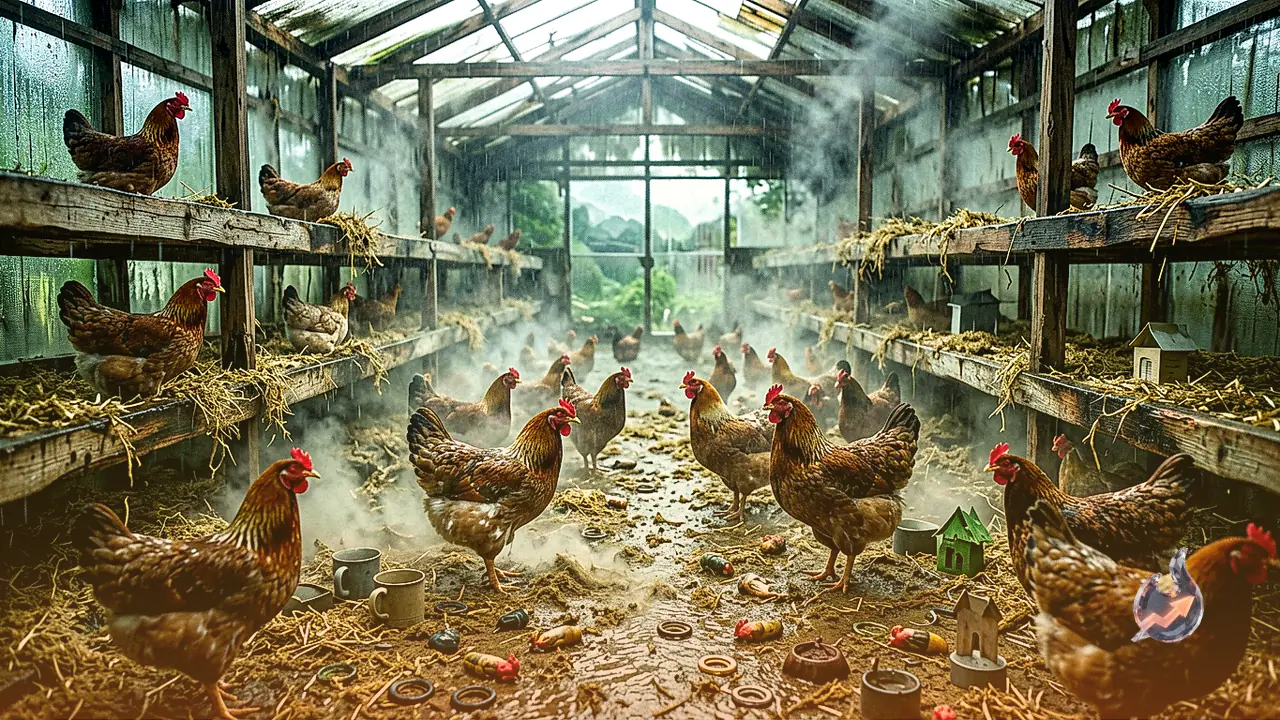

The onset of the rainy season presents significant operational challenges for poultry farmers in Bhilwara and nearby rural regions. High atmospheric humidity combined with moisture buildup inside poultry sheds creates an ideal environment for harmful pathogens to thrive. Damp bedding or litter serves as a primary trigger for serious flock infections. Consequently, poultry owners must prioritize roof repairs, continuous ventilation, and strict daily sanitation protocols to safeguard their birds throughout the monsoon.
Shed Maintenance and Air Ventilation Protocols
Preventing rainwater from entering the poultry shed is the first line of defense during the monsoon. Farmers should inspect roofs and walls to repair all leaks and cracks before heavy rains hit. Completely sealing off the shed to protect against rain is counterproductive, as it traps moisture and gases inside. Instead, maintain a functional ventilation system that allows a continuous flow of fresh air while helping damp air escape.
Litter Hygiene and Drinking System Inspections
Managing the bedding material requires constant vigilance during the rainy months. Whether using straw, wood shavings, or paddy husk, any damp portion of the litter must be removed immediately and replaced with fresh, dry material. Regularly raking and flipping the litter helps keep it dry and prevents compaction. Wet litter generates foul odors and elevates ammonia gas levels, which severely harm the respiratory health of chickens. Additionally, inspect water tanks, pipelines, and drinkers daily to repair leaks that could continually wet the floor.
Common Monsoon Diseases and Symptoms
Humid weather significantly increases the incidence of illnesses such as diarrhea, respiratory disease, watery eyes and nasal discharge, general weakness, loss of appetite, and coccidiosis in poultry. Contaminated drinking water, soggy litter, and poor hygiene accelerate the transmission of these pathogens. If a chicken appears lethargic, separates itself from the flock, or exhibits abnormal droppings, it should be isolated immediately. Accurately diagnosing avian diseases without diagnostic testing is difficult, making professional veterinary consultation essential when health issues persist.
Hygiene, Traditional Practices, and Biosecurity
Maintaining absolute cleanliness and dryness inside the shed is the most effective approach to disease prevention. Feeders and drinkers must be washed daily, and feed should be stored off the ground in a dry area. Never feed birds damp or moldy grain, as fungal toxins can be fatal. Pest management is equally crucial; farmers should suppress populations of flies, mosquitoes, and rodents while restricting unauthorized human visitors and wild birds from entering the shed. Traditional measures like placing neem leaves inside the shed offer supportive benefits, but they should never replace core biosecurity practices and sanitation.
Vaccination, Water Quality, and Medication Rules
Providing a continuous supply of clean, fresh water is mandatory for flock health, alongside strictly adhering to recommended vaccination schedules. Water and feed quality must be monitored closely during the monsoon season. All farm equipment, feeders, and drinking systems should be disinfected regularly using approved sanitizing solutions. If an outbreak occurs, farmers must avoid administering self-prescribed antibiotics or random medications, as incorrect treatments can worsen flock mortality.
Daily Inspections and Emergency Guidelines
Poultry keepers should conduct routine inspections of the shed every morning and evening to catch early indicators of disease. Early detection allows for prompt containment before infections spread across the entire flock. However, if farmers observe sudden high mortality rates, severe respiratory distress, twisted necks, or a rapid onset of symptoms, they should immediately bypass home remedies and contact the nearest qualified veterinarian for expert medical intervention.