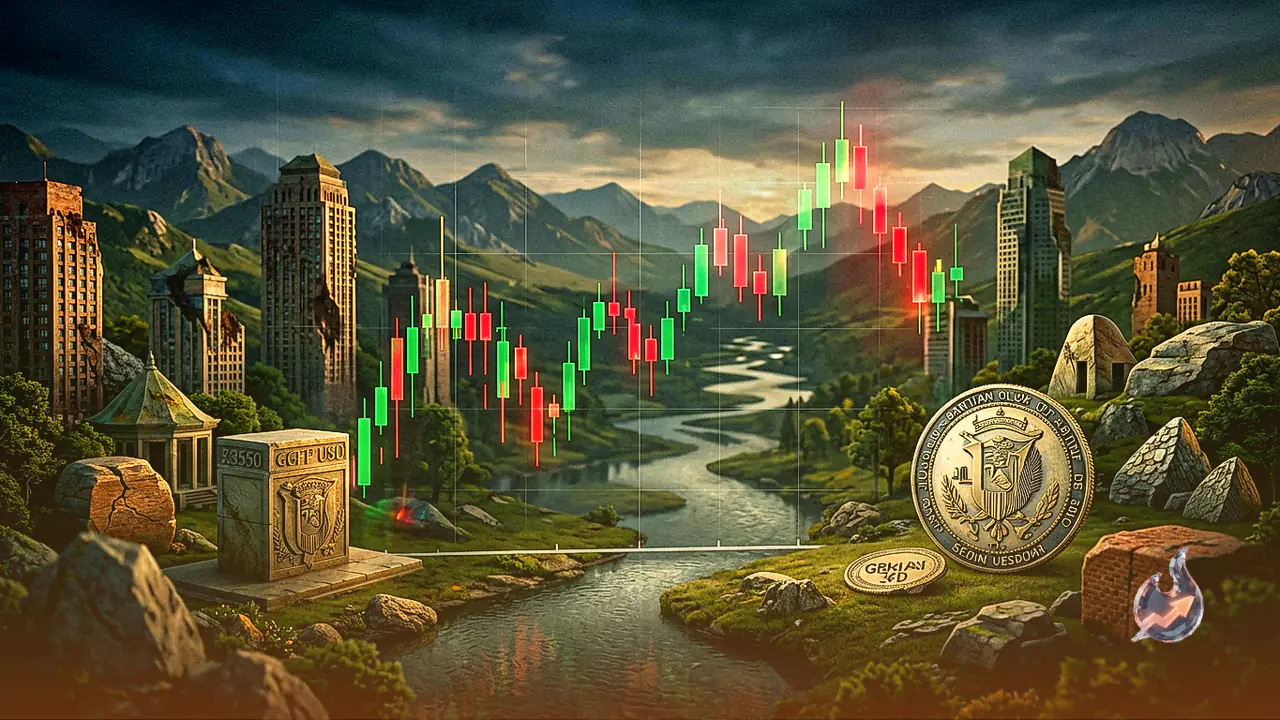























China's real estate slump is about to enter its sixth year, and the message from Commerzbank's Dr. Henry Hao is blunt: do not expect the market to come roaring back. Five years after the Evergrande crisis first cracked the country's property boom, the sector remains stuck in what he describes as structural stagnation, and Beijing appears to have accepted that its old growth engine is finished.
The downturn will mark its fifth anniversary in July 2026. Even though prices in the biggest cities have steadied in patches, the national housing market as a whole is still frozen. Hao's reading of the construction cycle suggests this is not a temporary dip that will bounce back the moment confidence returns, but a lasting shift, because policymakers are deliberately moving the economy onto new foundations.
The numbers behind the freeze
The scale of the contraction is easiest to see in the raw activity data. Real estate investment now sits at just 53 percent of the peak it reached in July 2021, meaning developers are putting barely half as much money into new projects as they were at the top of the cycle. Housing starts have fallen even harder, collapsing to a mere 24 percent of their former levels. With so few new projects breaking ground, the sector is all but guaranteed to keep dragging on overall economic output for years to come.
The one figure that looks healthier is housing completions, which are holding at 55 percent of their earlier peak. But Hao is careful to point out that this relative resilience is not a sign of underlying demand. It is entirely policy driven, the product of official pressure to finish the pre-sold apartments that were left half built when the crisis hit, rather than any genuine revival in appetite for new homes.
An L-shaped slide with a K-shaped split
At the national level, Hao describes prices as tracing an L-shaped path: a steep fall followed by a long flat stretch, with no sharp V-shaped recovery on the horizon. Underneath that national average, though, the picture splinters. He points to a K-shaped divergence, where the fortunes of different cities are pulling sharply apart. Top tier cities have managed some localized price stabilization, while lower-tier cities keep weakening, widening the gap between the strongest and weakest markets.
Driving all of this is a combination of forces that are hard to reverse. Demand has gone soft, funding for developers has tightened, and the country's changing demographics mean there are simply fewer new buyers coming through to soak up the supply. Together, those three pressures leave little room for a quick turnaround.
Beijing's damage control
The government has not been idle, but its goal is narrower than many outsiders assume. Rather than trying to reignite a boom, authorities are trying to manage the decline so it stays orderly. They have cut mortgage rates, lowered the down payments buyers need to put up front, and pushed local governments to step in and buy unsold homes to clear the glut. Each of these moves offers some support, yet Hao argues the structural constraints on the market are deep enough to blunt their impact.
Where the money goes now
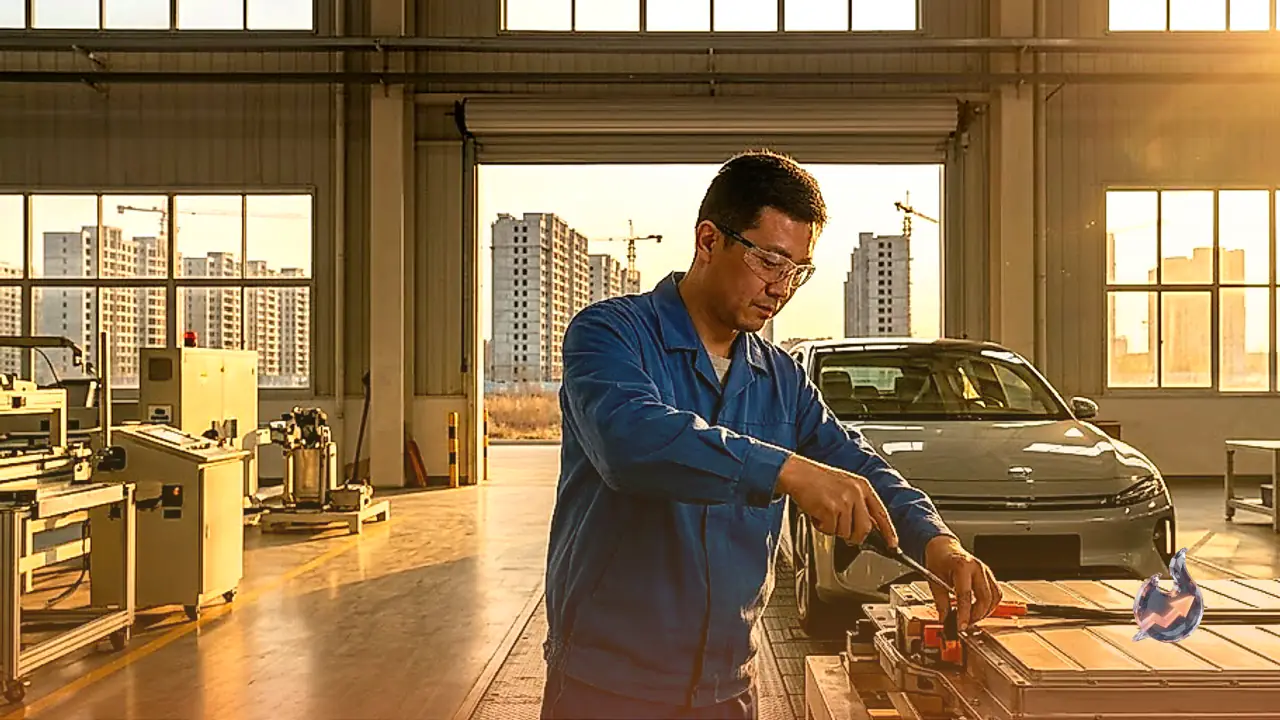
The bigger takeaway is a change in philosophy. "The era of real estate as a primary growth engine is definitively over," Hao says, and Beijing has responded by steering capital somewhere else entirely. The funds that once flowed into apartment towers are being redirected toward what officials call new productive forces, chiefly green technology, electric vehicles, and advanced industrial equipment.
That pivot reframes the whole story. The weakness in housing is not just a problem to be fixed but part of a deliberate rebalancing, in which the world's second largest economy tries to swap concrete and cranes for factories, batteries and clean energy. For anyone watching China, the lesson is that the property market is unlikely to be the thing that powers the next expansion. The stagnation, in Hao's view, is set to persist, and the growth, if it comes, will come from a different direction.