
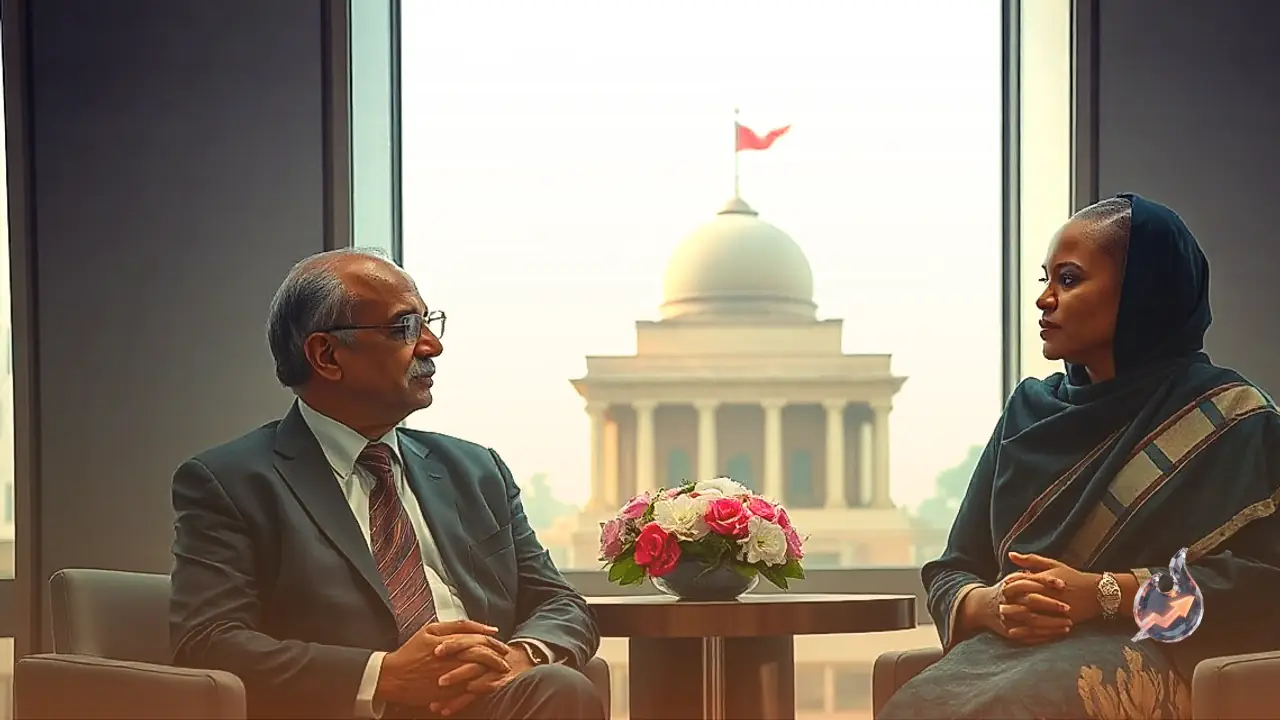


















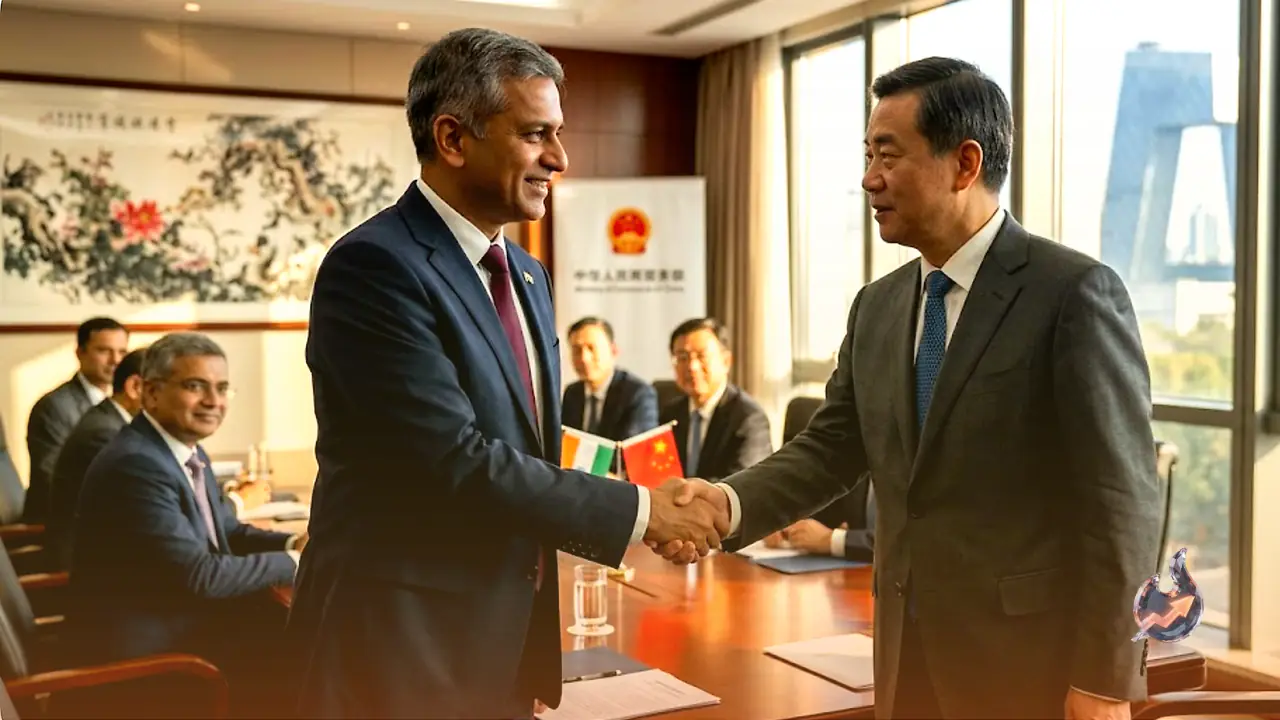

A significant diplomatic interaction occurred in Beijing as Indian Ambassador to China, Vikram Doraiswami, held a bilateral meeting with a senior Chinese commerce official on Monday. The discussion centered on commercial ties and trade strategies, marking another step in the ongoing efforts by both nations to stabilize their relationship following the military standoff in Eastern Ladakh in 2020.
Surging Trade Figures and Deepening Imbalance
Despite geopolitical friction, the commercial relationship between the two Asian giants has continued to expand. During the 2025-26 fiscal year, China surpassed the United States to become India's primary trading partner. According to official data from the Indian Ministry of Commerce, the total bilateral trade value reached USD 151.1 billion. However, this massive volume has come with a historically high trade deficit for India.
Specifically, Indian exports to China registered a substantial growth of 36.66 percent during the last fiscal year, reaching a total value of USD 19.47 billion. On the import side, goods entering India from China rose by 16 percent, amounting to USD 131.63 billion. Consequently, the trade gap widened to an unprecedented USD 112.6 billion in 2025-26, up from USD 99.2 billion recorded in the 2024-25 fiscal period.
Focus of the Envoy-Level Discussions
Ambassador Doraiswami met with Wang Liping, who serves as the Director General of the Department of Asian Affairs within the Chinese Ministry of Commerce. The Indian Embassy shared details of this encounter on the social media platform X, stating that the two officials held a detailed exchange of perspectives on multiple dimensions of trade and business cooperation. The talks covered existing bilateral dialogue mechanisms and explored practical methods to enhance partnership in sectors where both countries share mutual interests. Both sides agreed to maintain active communication moving forward.
Pushing for Market Entry and Normalization of Relations
India has consistently pressured Beijing to dismantle trade barriers and offer greater market access for Indian businesses, particularly in sectors where India holds a competitive edge globally. These key areas include information technology (IT) services, pharmaceutical products, and agricultural exports. This latest meeting is viewed as a vital step toward sustaining dialogue on these commercial sticking points.
The trade discussions occur alongside broader, gradual efforts to normalize bilateral relations, which had virtually frozen after the 2020 boundary clashes. Recently, both countries have resumed important cooperative activities, including the restart of the Kailash-Manasarovar Yatra, the restoration of flight operations, and the resumption of visa services. High-level institutional dialogues have also been revived as part of the strategy to keep economic communication channels active.