


















Launching a personal business in everyday consumer goods remains an attractive route for new entrepreneurs seeking steady market traction. Footwear represents an essential daily utility product with consistent year-round replacement demand across diverse consumer segments. Janardan Kumar, an experienced operator in the footwear trade, notes that products integral to daily routines provide strong business stability, creating reliable opportunities for steady returns when managed effectively.
Evaluating the Two Primary Investment Paths
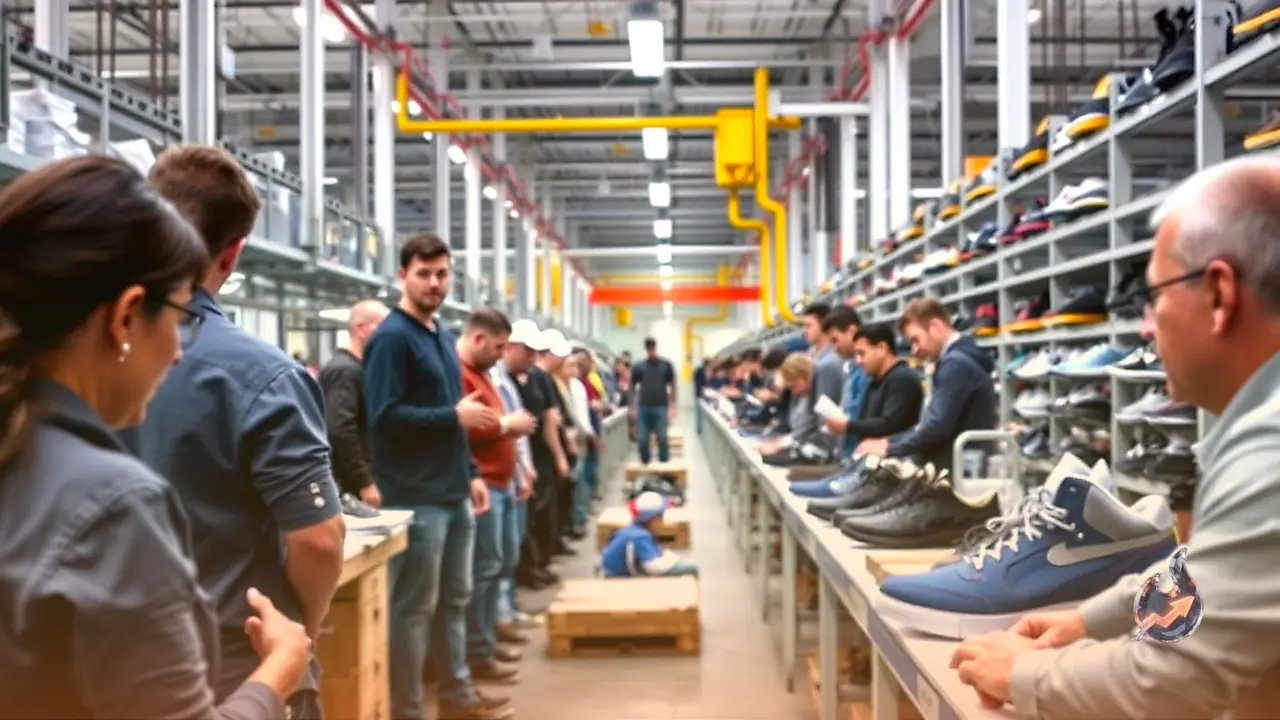
Prospective business owners can choose between two clear operating formats depending on their available capital. The first approach involves setting up a comprehensive manufacturing facility capable of handling the entire production cycle. Under this model, operators process raw materials directly into finished pairs under one roof. Establishing this complete factory infrastructure requires an estimated capital outlay of around 1 crore rupees to cover specialized equipment, operational space, and full-scale fabrication tooling.
Low-Capital Assembly Model for Smaller Budgets
For entrepreneurs operating with smaller resources, an accessible entry point requires significantly lower initial commitments. A functional operation can be launched with an initial capital range of 2 to 5 lakh rupees by focusing strictly on assembly rather than raw fabrication. In this format, businesses procure uncut soles or raw footwear bases alongside straps from major trading hubs in Delhi or Kolkata, assemble the parts locally, and supply the completed goods directly to retailers. This lower-risk approach keeps equipment costs minimal while still generating solid operating margins.
Regulatory Requirements and Market Competition
Formalizing the venture requires fulfilling several mandatory administrative procedures before commercial distribution begins. New ventures must obtain Udyam registration, secure a GST registration, and formally register their footwear brand name. While intense market competition presents customer acquisition challenges, maintaining product durability and finish allows new entrants to establish long-term retail relationships. Bihar offers a substantial regional market, with trade hubs in Bhagalpur such as Tilkamanjhi and Sujaganj market providing ready local retail channels for finished footwear products.