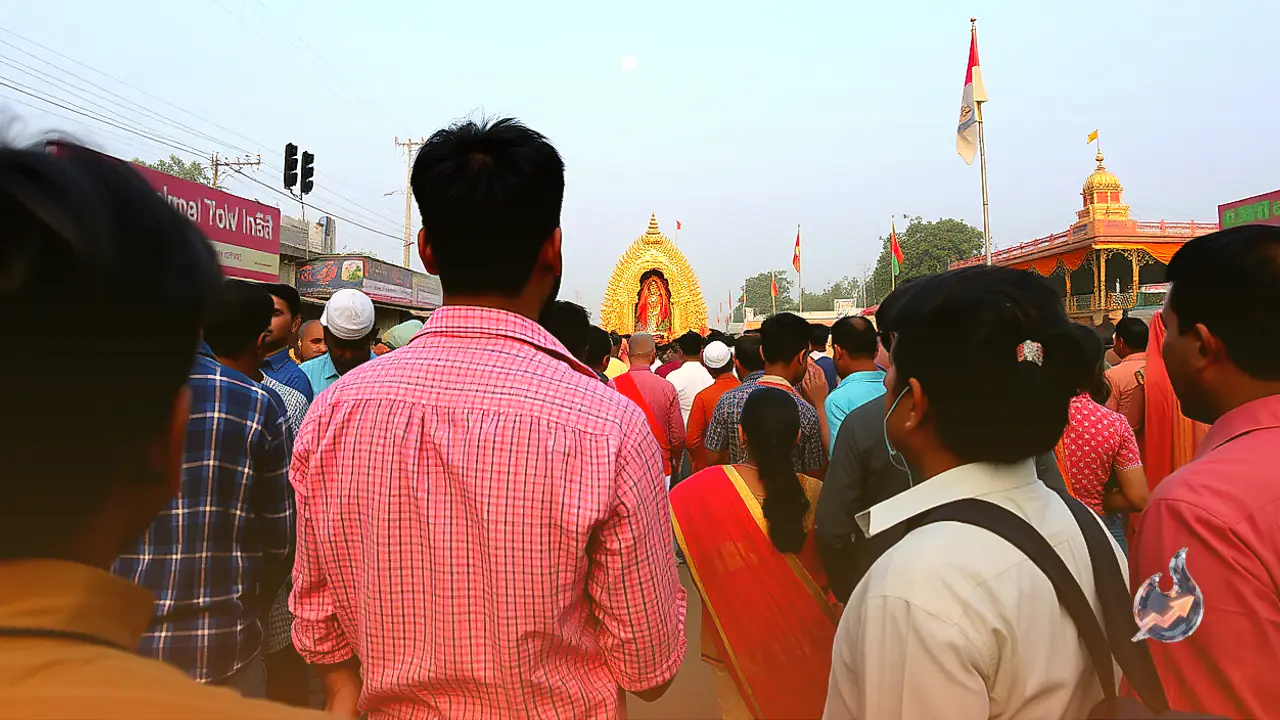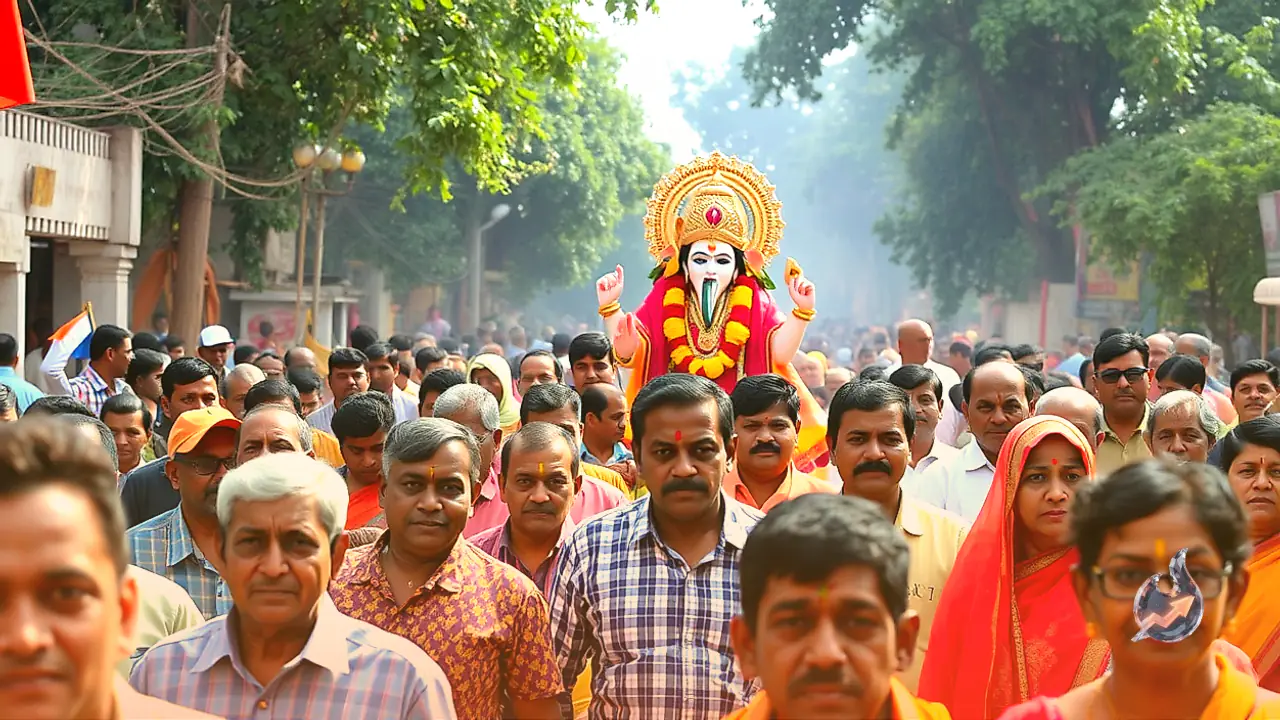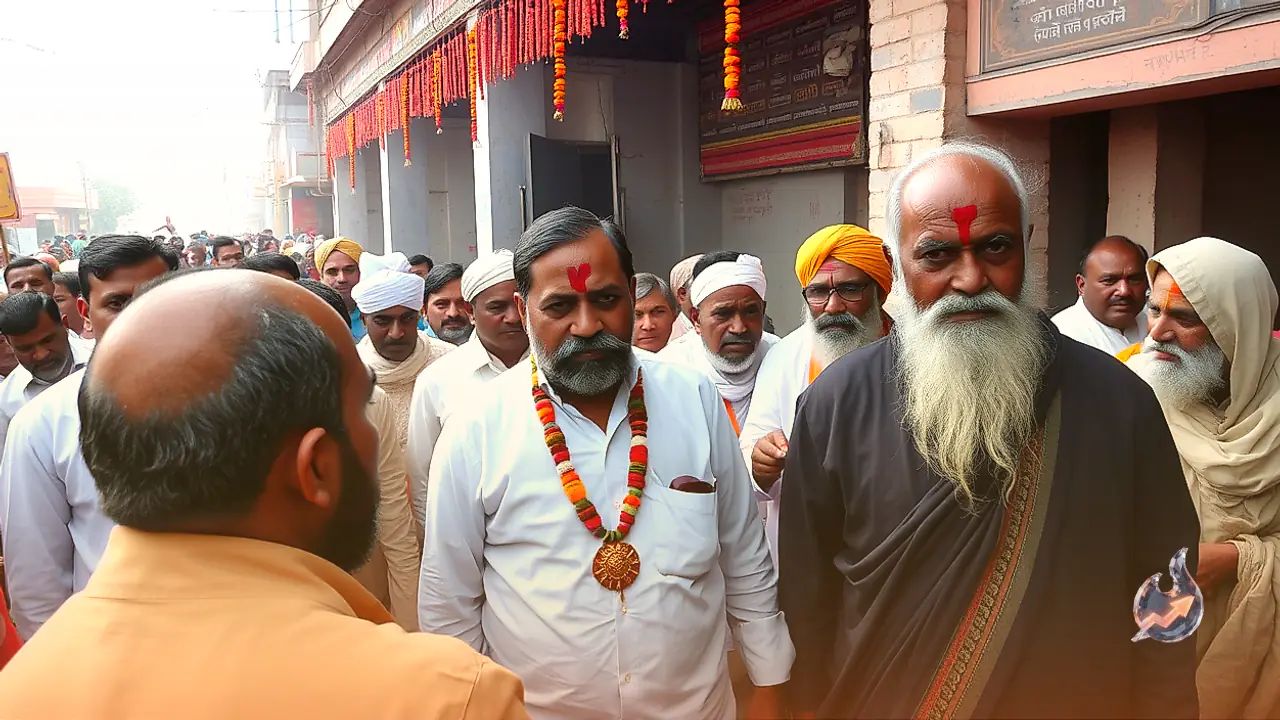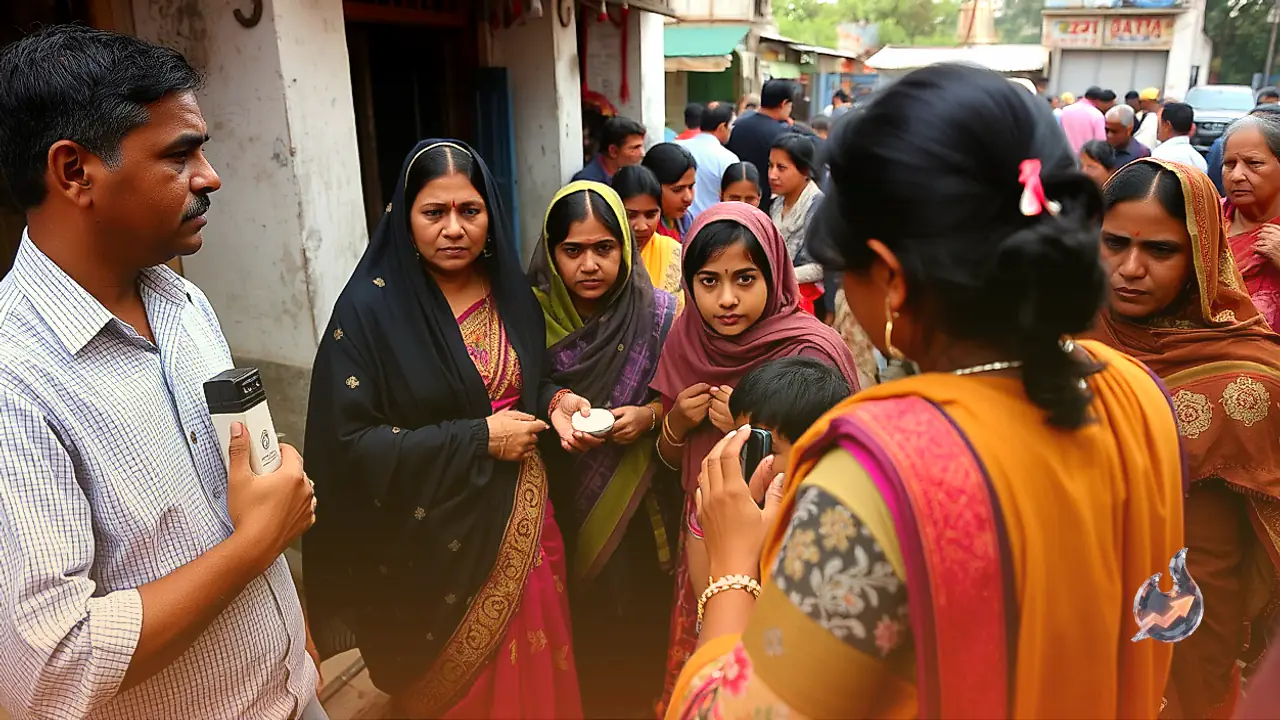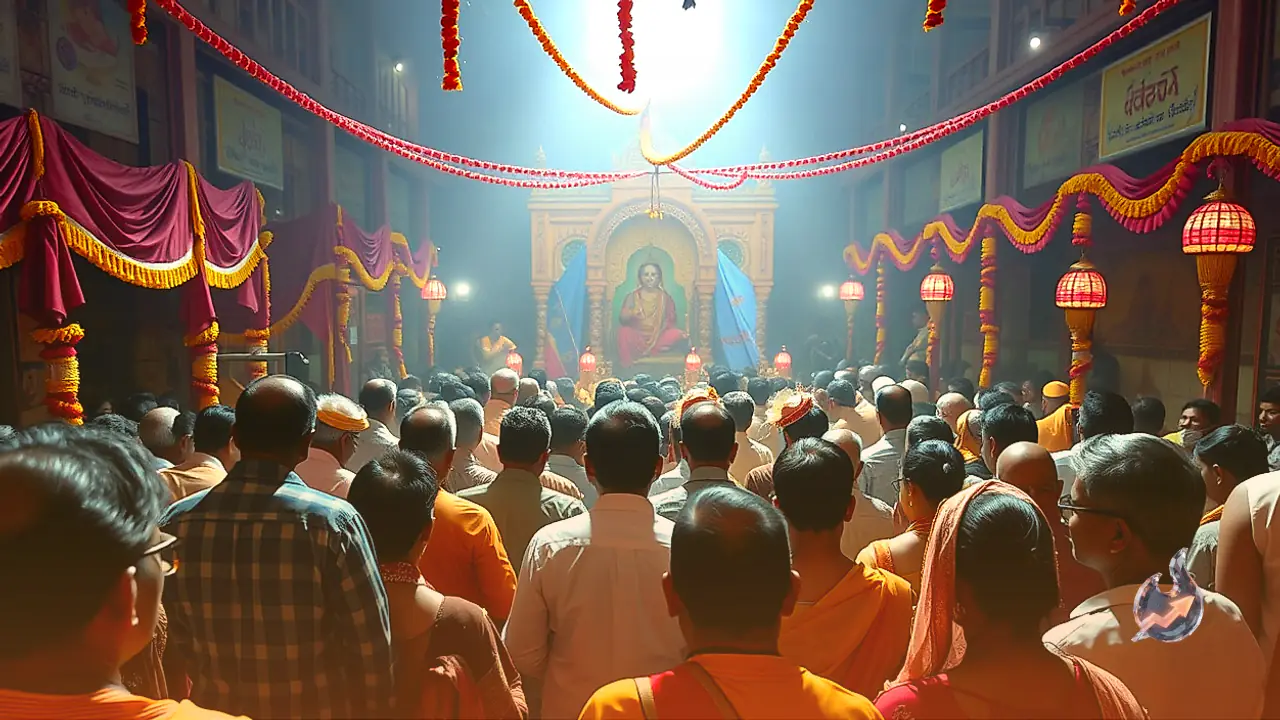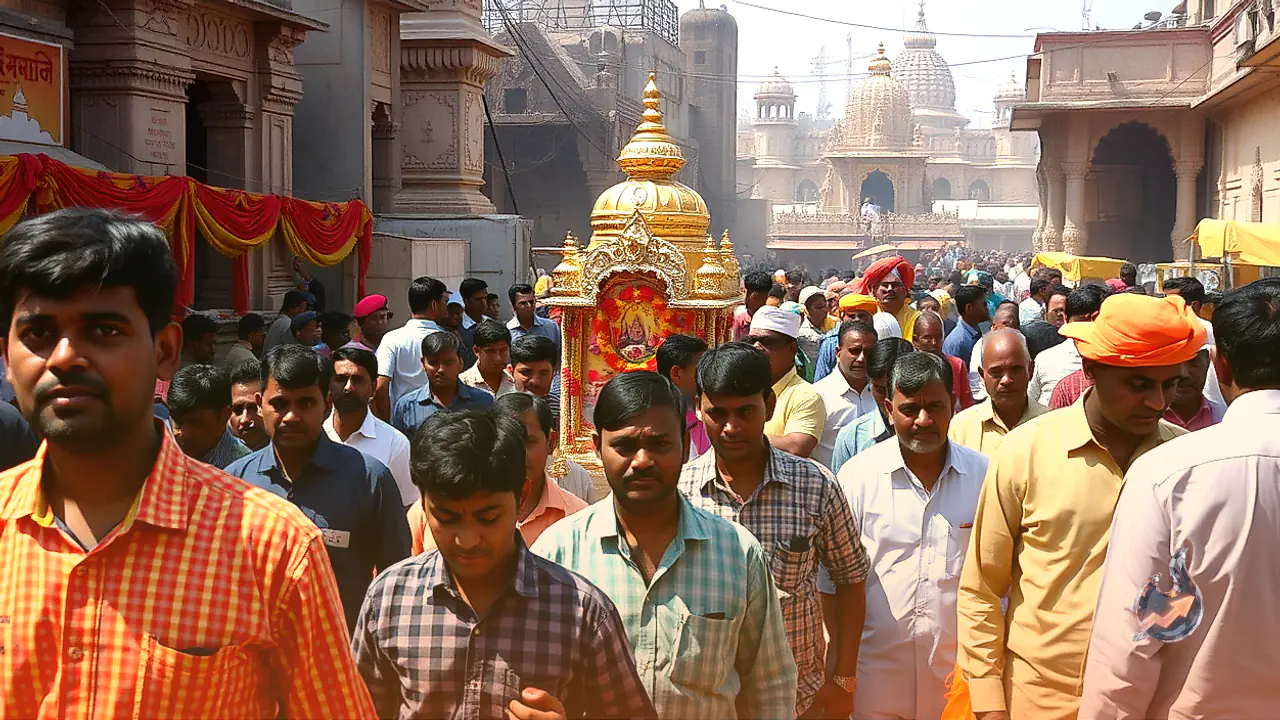


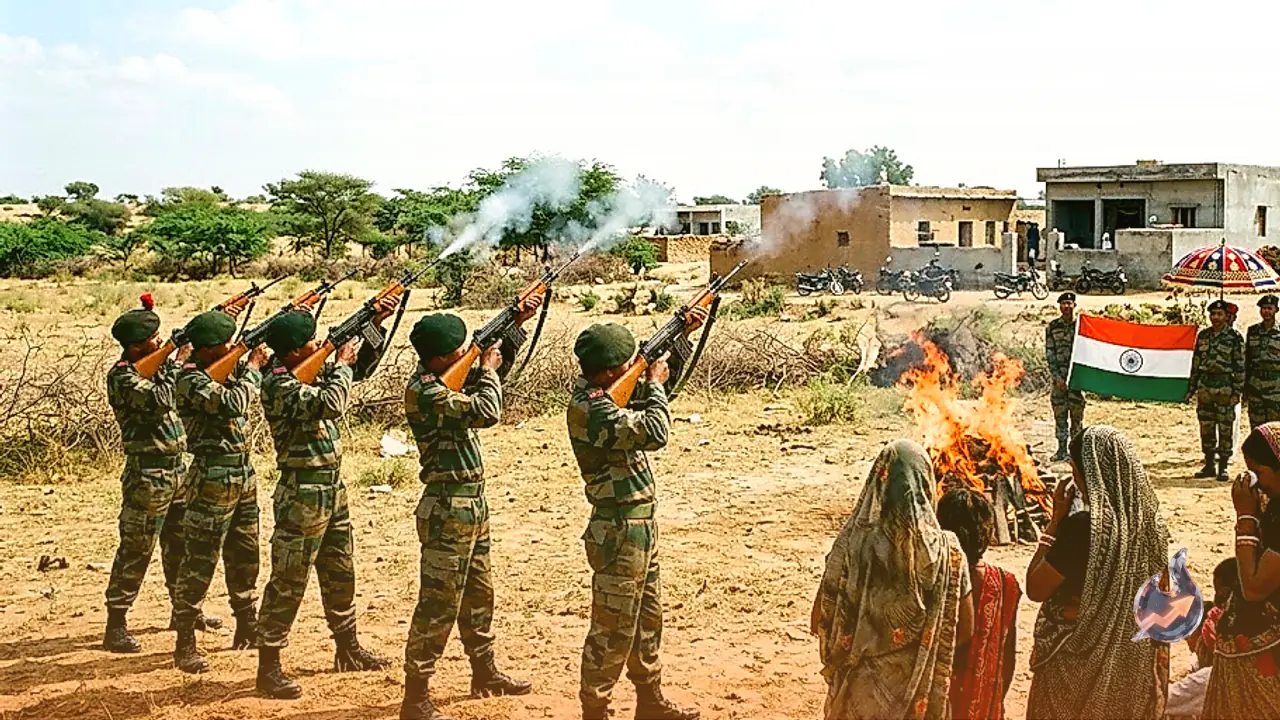

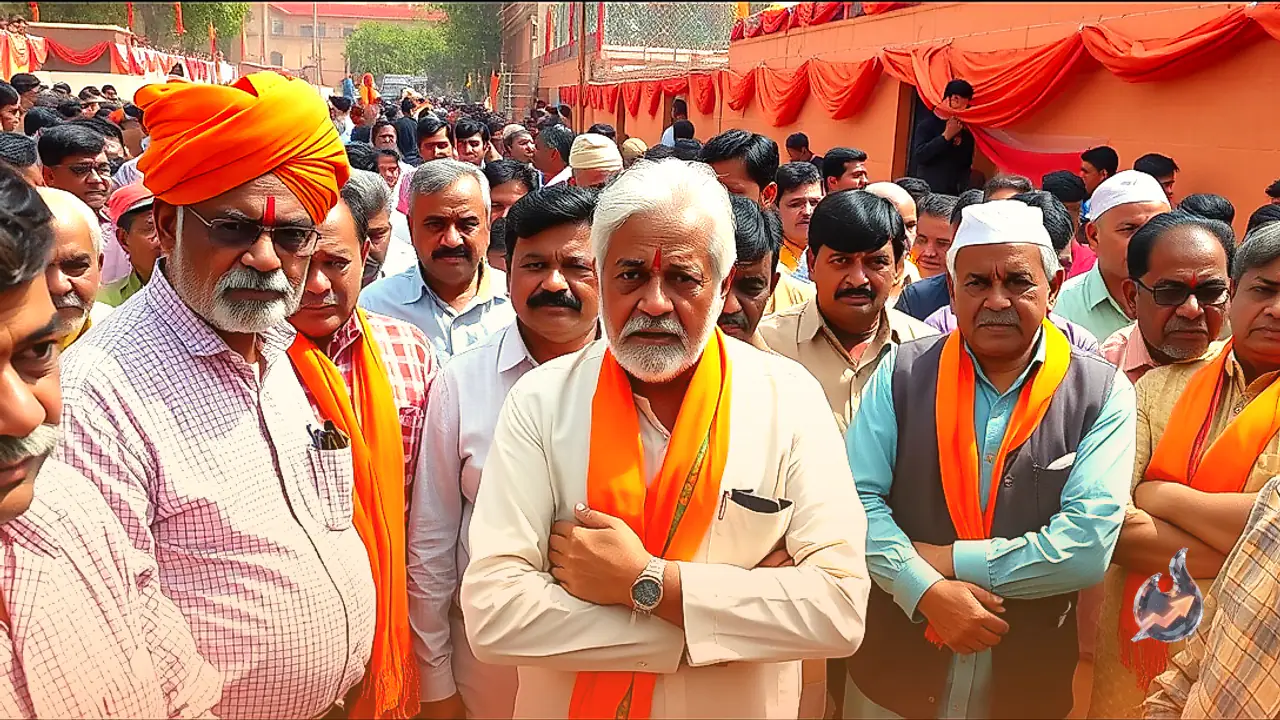
















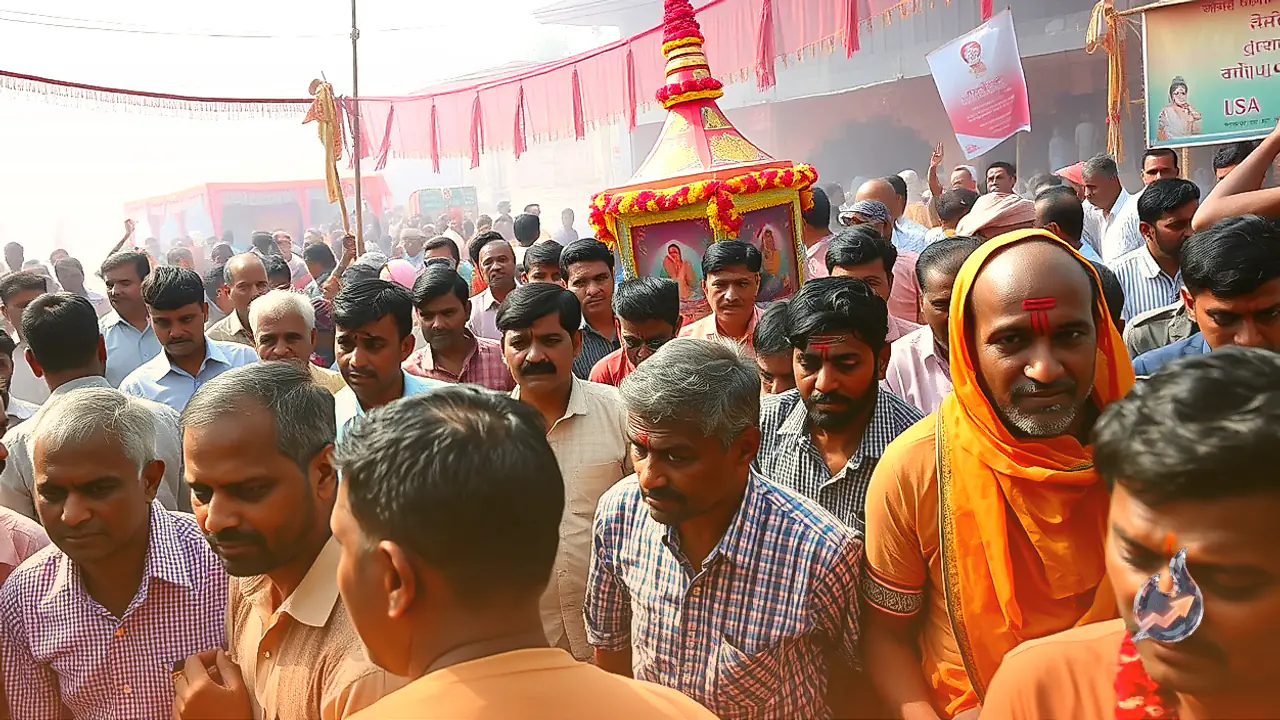

Honoring ancestors through dedicated rituals holds an essential place in traditional spiritual duties. In the sacred texts of the Garud Puran, performing Shraddha and Tarpan for departed souls is described as a fundamental religious obligation of descendants, categorized among the sixteen essential life rites known as Shodasha Samskaras. Throughout the period of Pitru Paksha, families remember their forebears and perform sacred offerings, including Pind Daan, water oblations, charitable acts, and feast donations, to ensure peaceful rest for their souls. Modern lifestyles sometimes lead people to discard these ancestral observances as obsolete formalities. Sacred scriptures explain that completely ignoring these customs can lead to profound and adverse consequences in daily household life.
Neglecting Ancestral Debt and the Arising of Pitru Dosh
Failing to perform rites directly infringes upon the duty of ancestral debt, known as Pitru Rin. The Garud Puran explains that when the prescribed funeral and memorial rites are not carried out properly, the ancestors remain unsatisfied and deprived of spiritual nourishment. In such instances, the entire household may incur what is traditionally understood as Pitru Dosh. This condition directly affects the peace, harmony, and prosperity of the home. Families that forsake these rites often experience relentless mental distress, sudden recurring obstacles in their endeavors, financial hardships, and internal conflict among family members. Furthermore, issues such as delays in marriage and difficulties in lineage expansion are closely associated with this neglect.
The Distress of Neglected Ancestors and Severe Scriptural Warnings
During the special fortnight of Pitru Paksha, departed ancestors travel in subtle forms from their realm down to the earthly realm with the hope that their living descendants will welcome and satisfy them with food and water. When people dismiss their existence or claim that memorial offerings are futile, thereby skipping rituals on the specified lunar dates, the ancestors depart feeling disappointed, dejected, and distressed, leaving behind heavy curses. According to symbolic warnings noted in the Garud Puran, compelled by extreme thirst and hunger, unsatisfied spirits may even draw blood from their own kin. As a direct fallout, family members encounter persistent career troubles, commercial setbacks, and unyielding obstacles across different spheres of life.
Expressing Genuine Gratitude and Benevolence Through Rituals
The true purpose of Shraddha extends far beyond dry mechanical rituals; it embodies deep remembrance, devotion, and gratitude toward ancestors. During Pitru Paksha, families perform water offerings, prepare food donations, feed Brahmins, serve cattle, and assist those in need according to their financial capacity. Performing these compassionate deeds with pure faith invites blessings from ancestors, bringing enduring joy, security, and tranquility to the family. This is why the philosophical teachings of the Garud Puran place immense emphasis on devotion toward ancestors, charity, and righteous living.