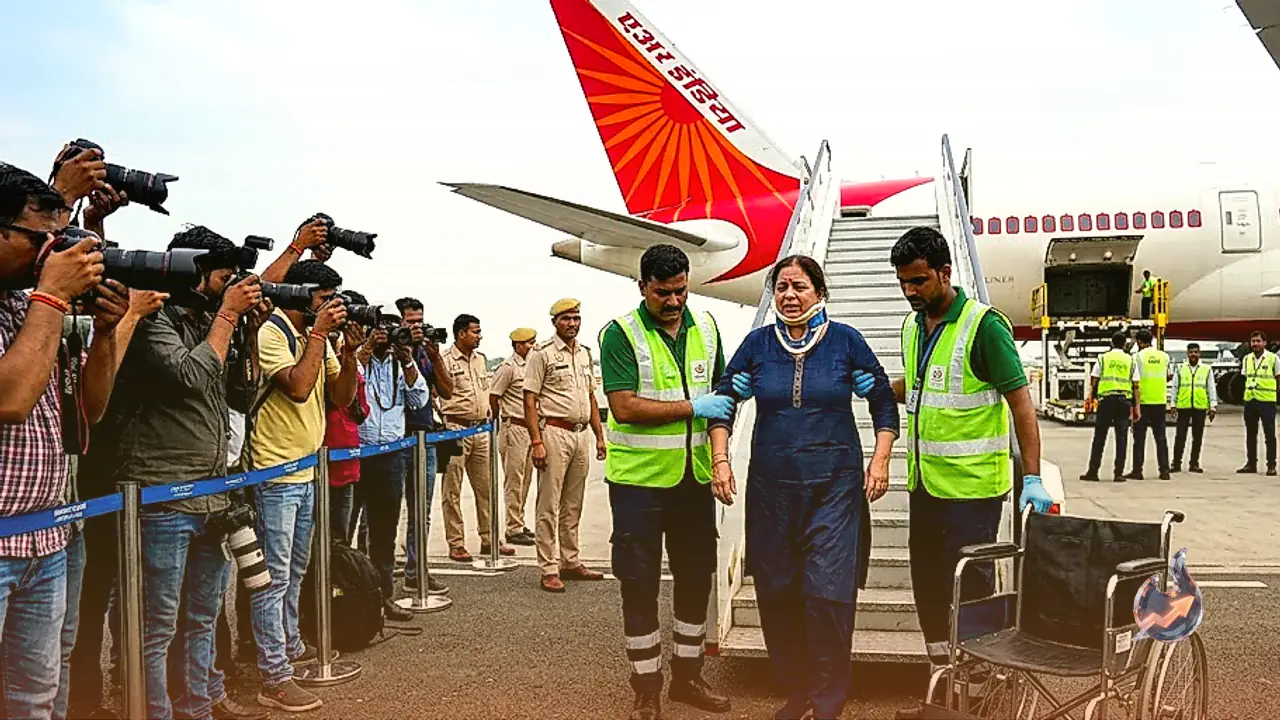
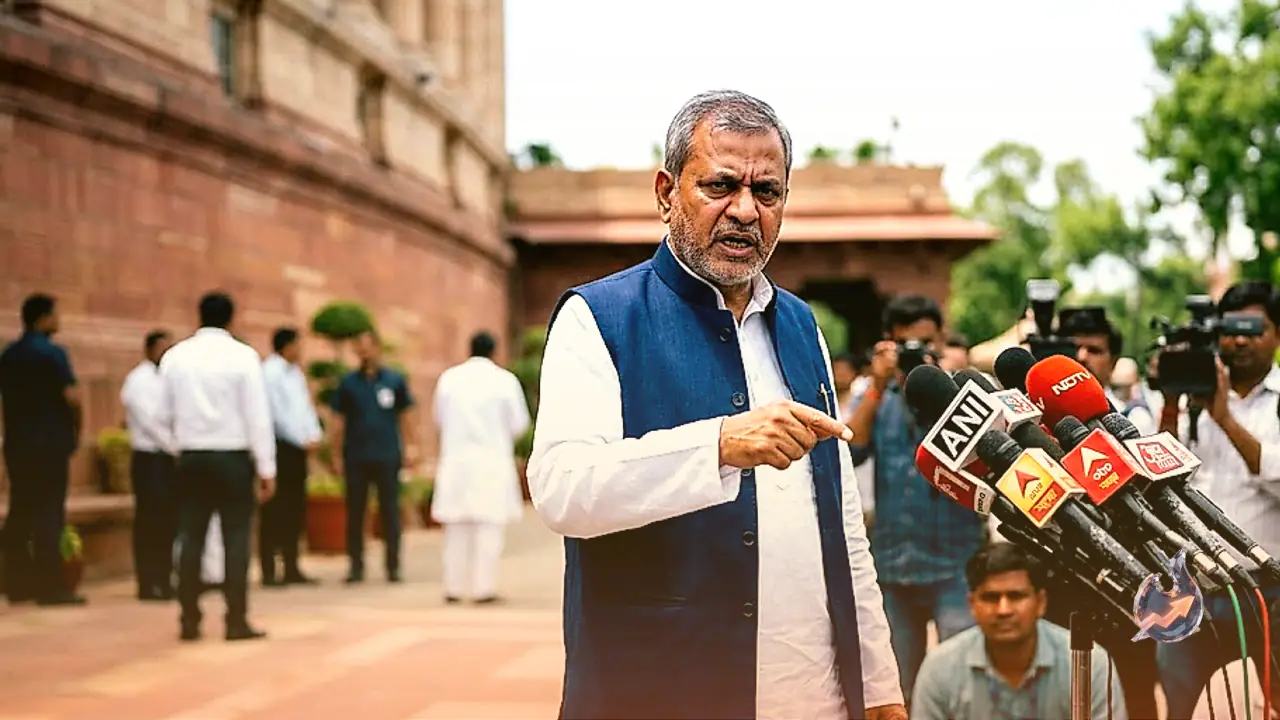



















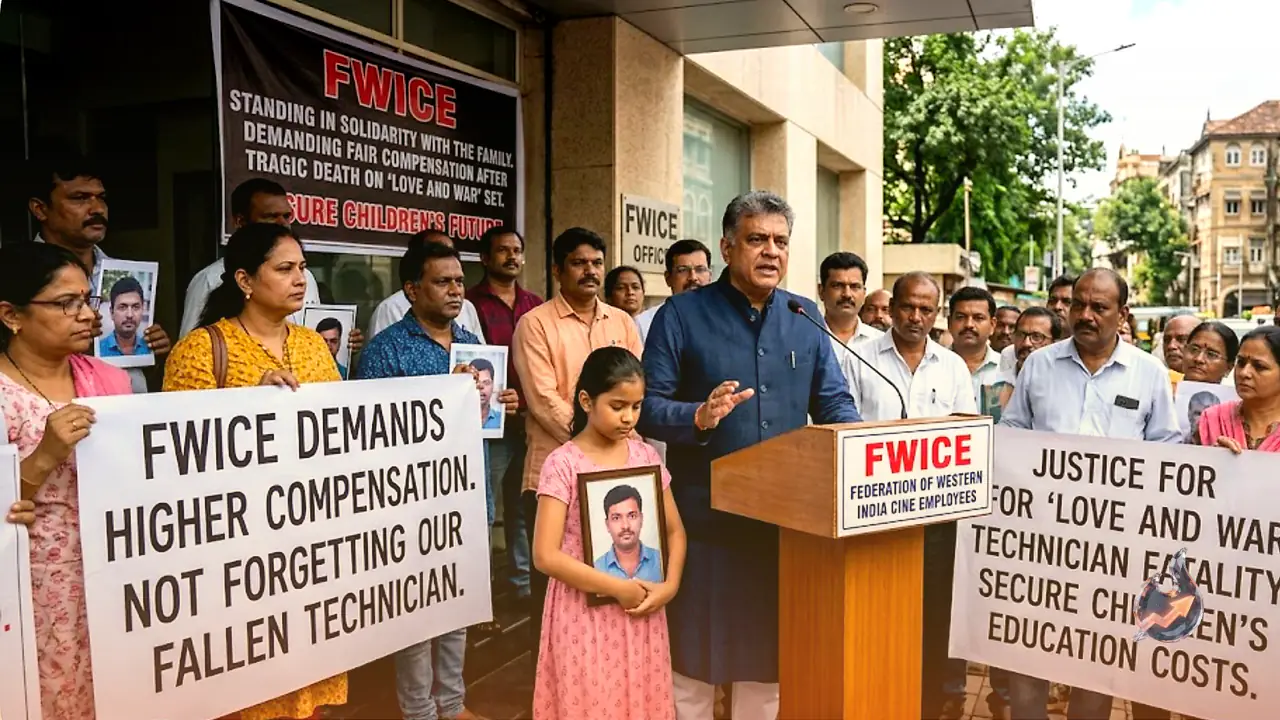

A somber atmosphere has gripped the film industry following a tragic accident on the sets of Sanjay Leela Bhansali's upcoming production, Love and War. The unfortunate death of a technician due to electrocution during the shoot has ignited a significant debate regarding safety protocols and labor conditions within the movie business. Representing the film workers, the Federation of Western India Cine Employees (FWICE) has stepped forward to demand stricter accountability and enhanced financial support from the production house.
FWICE Advocates for Increased Compensation and Educational Support
BN Tiwari, the head of FWICE, revealed that while Sanjay Leela Bhansali has provided an initial ex-gratia of 40 lakh rupees to the family of the deceased technician, Chandradhari Singh Yadav, the organization deems this insufficient given the gravity of the loss. Chandradhari Singh Yadav, aged 42, was the primary breadwinner for his household, leaving behind a grieving wife and two young children. Consequently, FWICE has formally urged the production team to raise the total compensation to 50 lakh rupees and to commit to covering the entirety of the children's future educational expenses.
Potential Support from Yash Raj Productions
Tiwari noted that there has been no formal response from Sanjay Leela Bhansali regarding these upgraded demands yet. In the event that these requests are not met, Yash Raj Productions has expressed a willingness to assist the bereaved family. Since Chandradhari Singh Yadav had previously worked with Yash Raj Productions, the banner is prepared to extend support during this period of crisis. The federation emphasized that the entire film industry must rally around the family of the staff member during this difficult time.
Critique of Industrial Work Culture
Beyond this specific tragedy, the FWICE leadership has raised broader concerns regarding the prevailing work culture in the film industry. Tiwari clarified that their advocacy is not directed against any single producer but is intended to overhaul the systemic issues plaguing sets. It is a common occurrence for employees to be forced to work well beyond their scheduled hours. According to existing regulations, an eight-hour shift can be followed by a maximum of four hours of overtime, which must be compensated separately. In reality, many workers are forced to put in shifts as long as 16 hours, often without receiving the mandatory overtime pay or humane treatment.
Mandatory Health and Security Standards
The FWICE head highlighted that the organization has already held discussions with the producers' association to implement stringent health and safety guidelines on all film sets. Their objective is not to impede ongoing productions, but to ensure that no crew member is ever compelled to work under life-threatening conditions. Every individual has a physical threshold, and work schedules must respect human capacity, supported by rigorous safety protocols to prevent such disasters from recurring.