


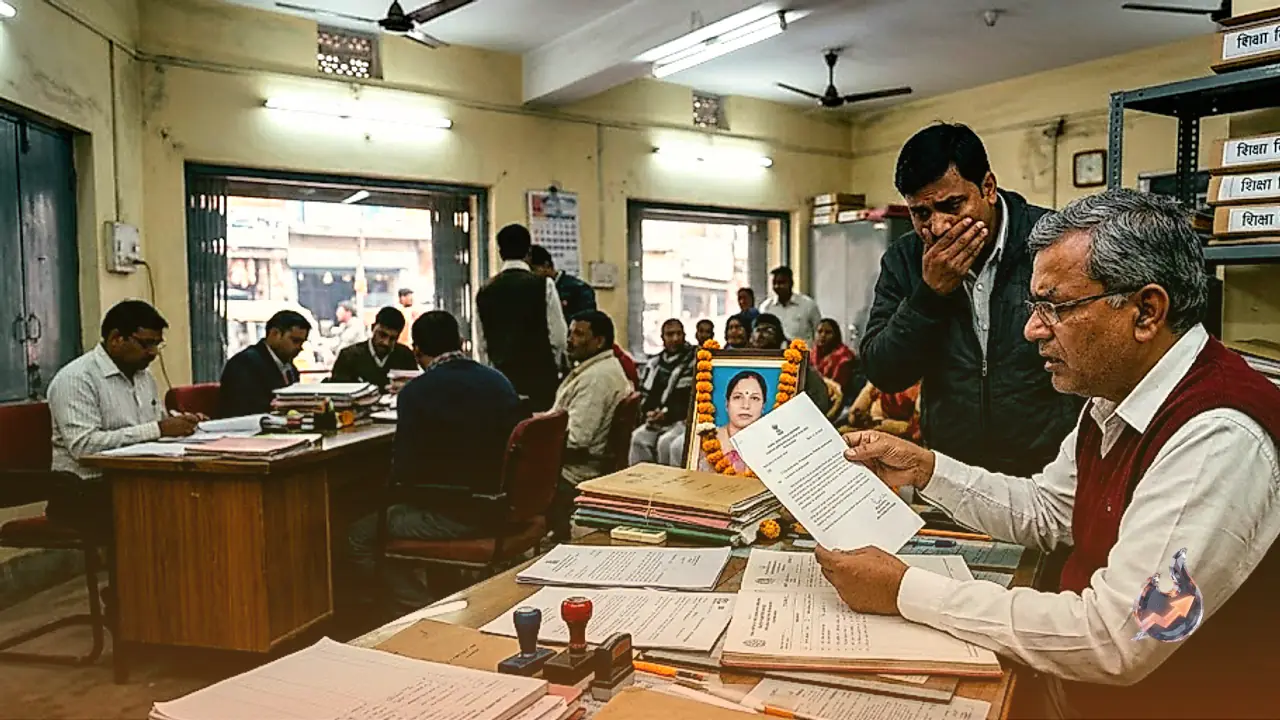




















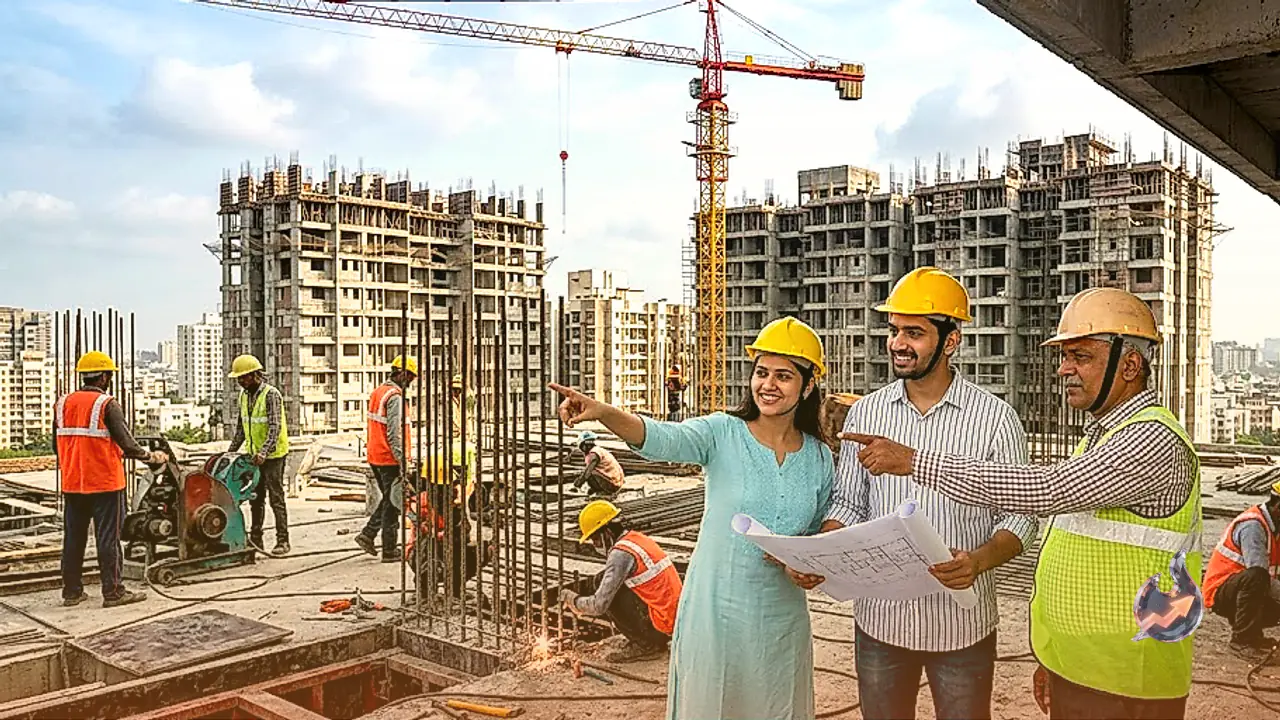

New Delhi. Rising land prices and construction costs in metropolitan areas are driving flat prices steadily higher. Amidst this scenario, the reconstruction of stalled real estate projects has emerged as a fresh and viable alternative model for builders. This approach yields better margins for developers while simultaneously benefiting home buyers. Consequently, real estate companies across metropolitan centers nationwide are increasingly inclined to acquire previously stalled projects through the National Company Law Tribunal, mutual consent, and development authorities instead of launching entirely new greenfield projects. This shift significantly increases the likelihood that stuck real estate developments across Delhi-NCR and other major cities will soon reach completion.
How Builders Secure Financial Advantages
Developers reap substantial rewards from such deals. They successfully bypass the high cost of purchasing expensive land for projects and instead focus on fulfilling the liabilities of previous builders, clearing dues owed to authorities or financial institutions, and managing remaining funds owed to home buyers. This method proves considerably cheaper and ensures projects are completed at a lower overall cost. Under this framework, numerous builders now settle land dues in accordance with the recommendations of the Amitabh Kant Committee and resolution plans approved by the Committee of Creditors to resume construction. A solid planning strategy, proper reconstruction, and targeted sales approaches help control overall project costs, thereby boosting developer profit margins.
Balancing Land Costs and Quality Standards
Shailendra Sharma, Chairman of Renox Group, believes that the biggest challenge currently facing real estate companies is maintaining a healthy balance between land and construction costs. Passing the entire burden of increased costs onto buyers in projects already launched and largely sold is no simple task. Under such conditions, acquiring a partially incomplete project rather than starting a new one creates superior opportunities for builders. To sustain margins here, expanding inventory is just as crucial as paying meticulous attention to quality, design, and modern amenities that appeal to today's home buyers.
Reducing Expenses Through Existing Construction
Builders note that another major advantage of acquiring legacy projects is the reduction of expenses due to existing structures on-site. Incomplete developments often feature anywhere from 15 to 50 percent, and occasionally 70 to 80 percent, completed construction. Funds do not need to be spent all over again on those structures; instead, developers only need to inspect the quality and safety of prior work and implement necessary improvements. Furthermore, updating and refining previously approved architectural plans allows developers to increase floors and units based on the Floor Area Ratio, paving the way for higher overall unit yields.
Relief From Past Liabilities and Legal Clarity
Gitanjali Khanna, Managing Director of Rearko Private Limited, points out that projects acquired through the National Company Law Tribunal process clear away old liabilities entirely. Land and regulatory approvals remain readily established. Half-finished towers become available at lower valuations. Initial capital is primarily deployed toward clearing statutory authority dues and revalidating approvals, allowing work to commence much faster compared to brand-new launches. Provisions under the SWAMIH Fund and capital generated from unsold inventory help accelerate the completion of such stalled projects.
Rising Raw Material Prices and Construction Pressures
Escalating raw material costs are driving continuous increases in overall construction expenses. Between 2023 and 2025, the average core building construction cost across the top seven cities rose by 13 percent, climbing from 1,956 rupees to 2,212 rupees per square foot. Simultaneously, Mechanical, Electrical, and Plumbing costs surged by over 17 percent, moving from 672 rupees to 788 rupees per square foot. In such an environment, projects featuring partial prior construction offer incoming developers a vital opportunity to save costs compared to prevailing market rates. Driven by strong market momentum, demand and average sales values for flats have risen, making it viable to reconstruct, complete, and profit from these previously abandoned developments.
Opportunities and Challenges Facing Developers
Ashwani Nagpal, Chief Operating Officer of Diligent Builders, explains that taking responsibility for a stalled project presents a new builder with both significant opportunities and distinct challenges. This process creates a strong possibility for all project stakeholders, including home buyers, to recover their dues. Under the insolvency process, old legal or criminal liabilities do not transfer to the incoming builder, though developers must successfully navigate the process alongside a majority of legacy home buyers to ensure construction proceeds without regulatory obstruction. Pre-existing structures assist the new builder with expedited construction and financial management, while redevelopment secures healthy profit margins.
Broader Benefits for Home Buyers and the Economy
Government initiatives of this nature ultimately extend clear advantages to ordinary home buyers. Completing stalled projects helps fulfill the lifelong dreams of individuals who have awaited their homes for years. To mobilize initial capital, builders frequently price initial inventory attractively, creating opportunities for affordable housing options. Once a project restarts, it triggers a chain reaction of job creation and commercial transactions across hundreds of related goods, while generating public revenue through electricity, water, internet services, and property registration fees.