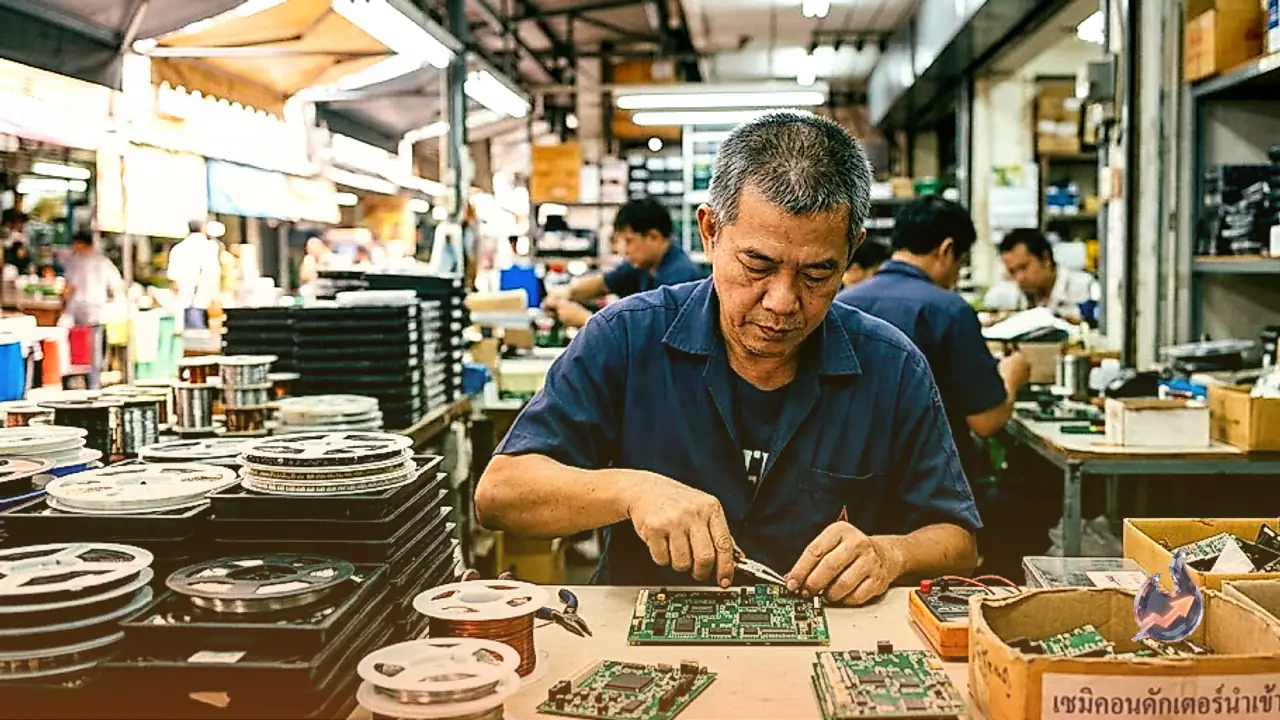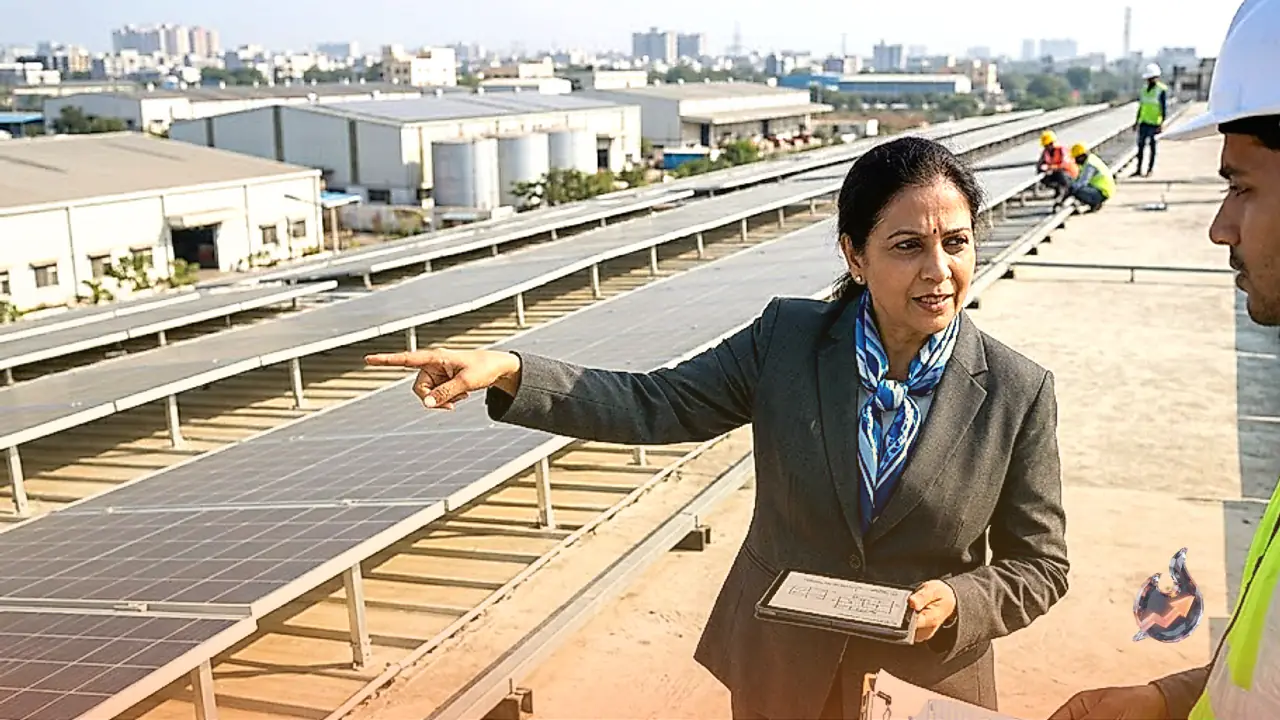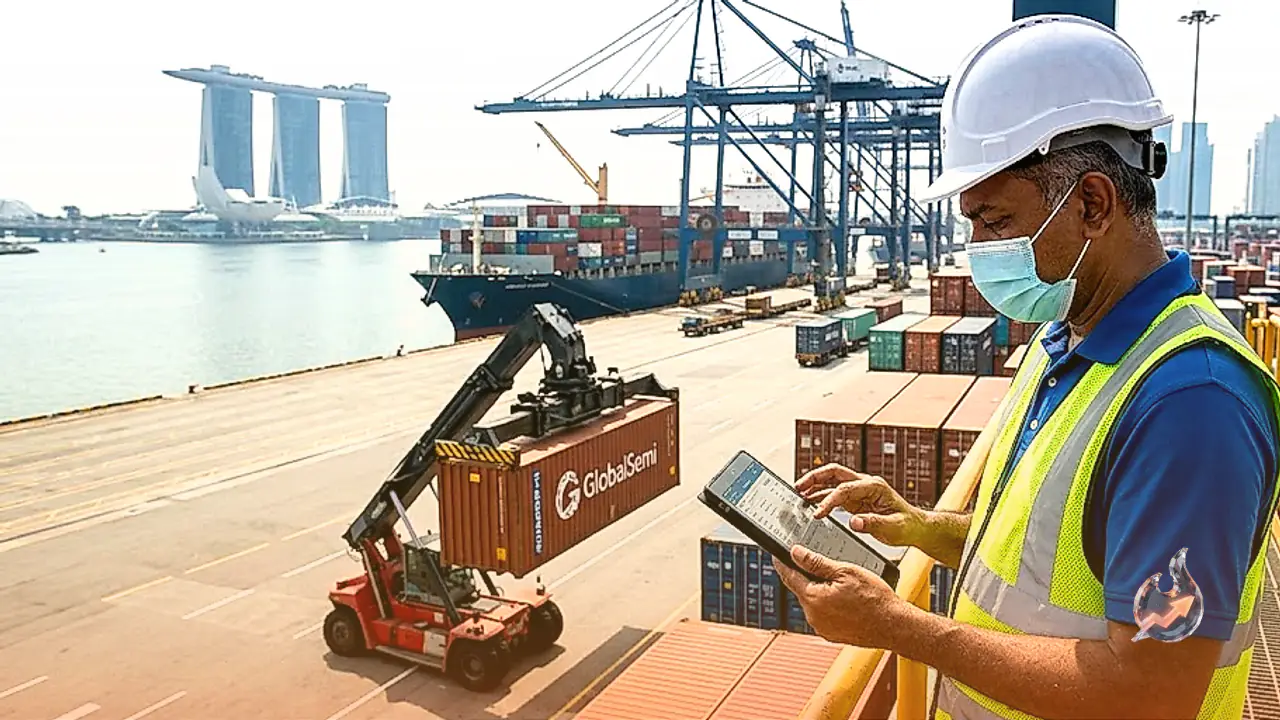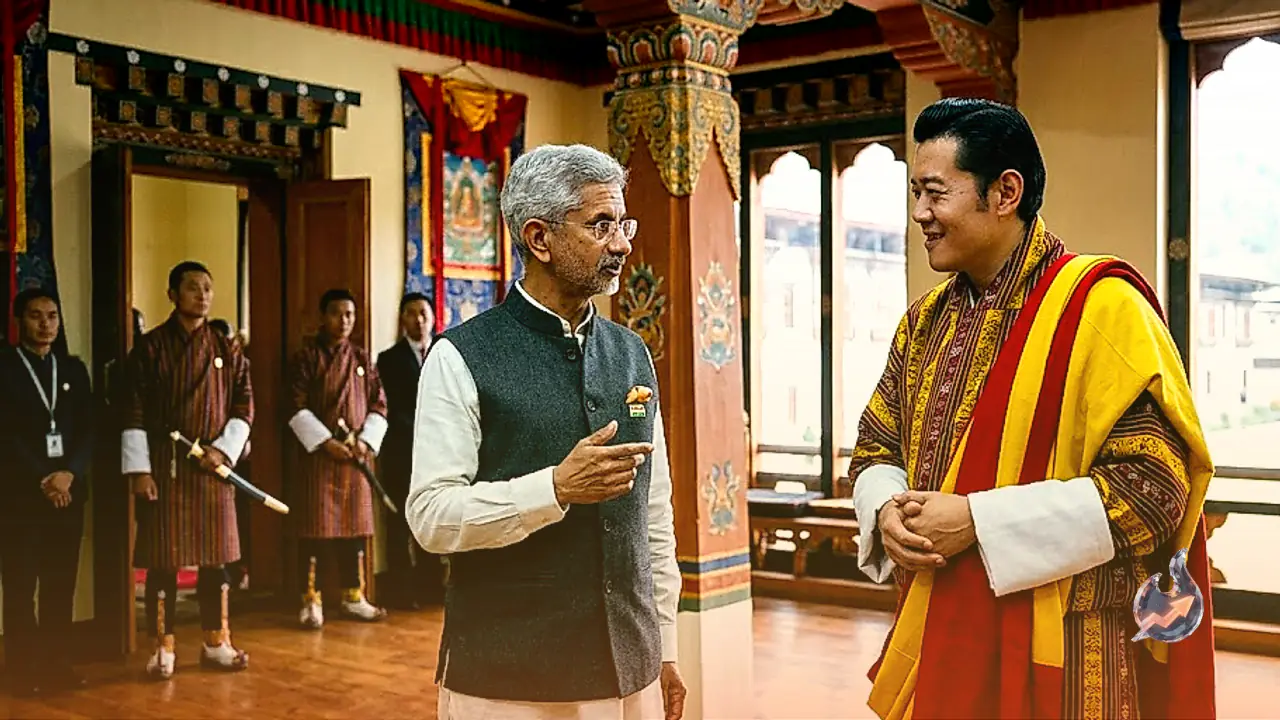




















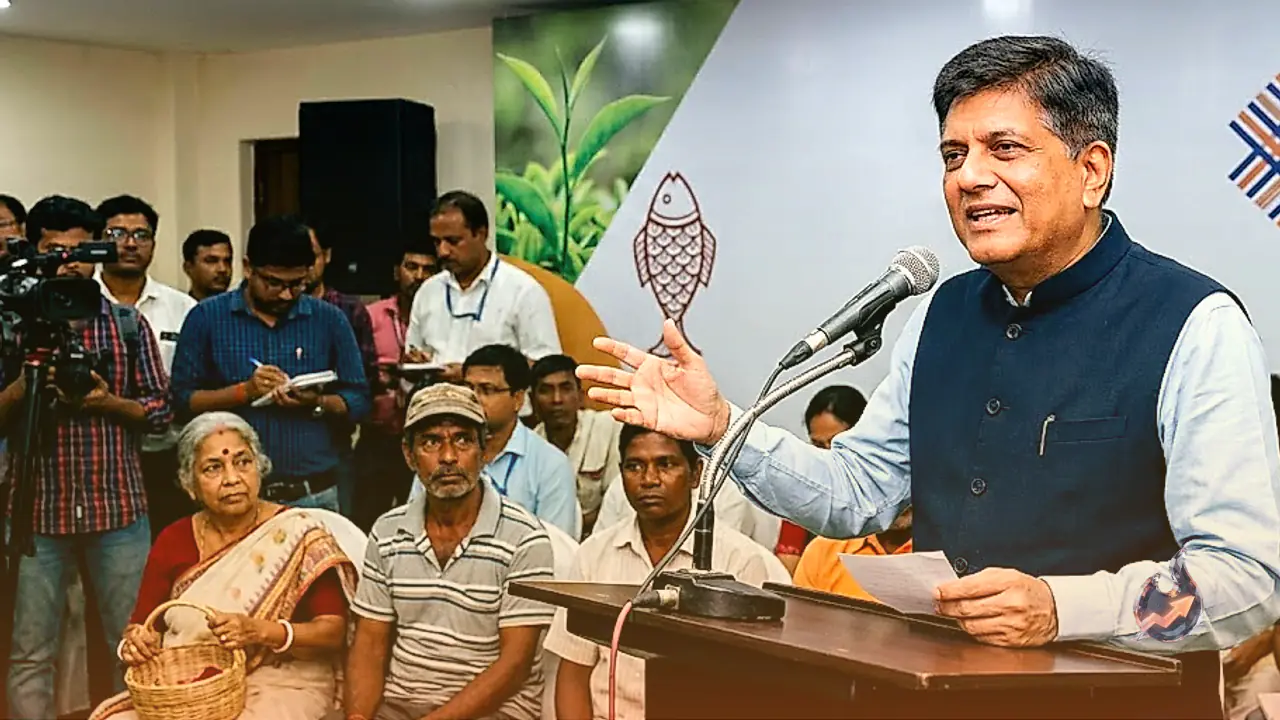

Free trade agreements signed by India with multiple global partners are positioned to deliver a major economic boost to West Bengal's traditional industries. Union Commerce Minister Piyush Goyal highlighted that under the leadership of Prime Minister Narendra Modi, India has executed strategic trade pacts with 9 nations. This policy framework is designed to directly benefit key sectors in West Bengal, including its renowned tea plantations, fisheries, and handicraft operations. Government estimates indicate that approximately 50 lakh individuals across the state depend on these three sectors for their livelihood, and easier access to international markets is expected to enhance household incomes while strengthening product visibility worldwide.
Global Trade Expansion for Tea and Fisheries
West Bengal's Darjeeling and Dooars regions are globally recognized for producing premium quality tea. Darjeeling tea holds a protected Geographical Indication (GI) tag, enjoying consistent demand across Europe, Japan, and the Middle East. Through zero or reduced tariff structures under the new FTAs, Indian tea can compete far more effectively on global shelves. Increased export orders will accelerate estate operations, fostering job security for garden workers and contractors. Industry data shows that the tea sector alone supports between 10 lakh and 12 lakh livelihoods in the state.
Similarly, West Bengal ranks among India's top fish producing states, encompassing extensive freshwater and marine aquaculture ecosystems. The sector sustains around 18 lakh to 20 lakh livelihoods. Preferential access to high value markets such as the UK, Australia, the UAE, and the European Union creates significant export momentum for marine products, particularly shrimp. Reduced trade barriers are projected to boost earnings for coastal fishing communities and regional supply chain operators.
Reviving Handicrafts and Empowering the Workforce
The state's rich artisanal heritage, including Kantha embroidery, Dokra metalcraft, Terracotta art, jute products, and bamboo crafts, commands long standing international admiration. However, historically high import tariffs and restricted market entry prevented export growth from reaching its potential. Lower tariff walls under the FTAs will make these handcrafted goods price competitive overseas, driving fresh demand for cottage industries and weaving clusters.
A crucial dimension of this trade policy is its positive impact on female employment. Women constitute a substantial portion of the workforce in tea gardens, fish processing facilities, and handicraft manufacturing. Boosting production across these sectors will generate sustainable employment for women in rural and semi urban communities. Additionally, earlier this year, the state government reported that 42 industrialists had expressed interest in investing in West Bengal. While these investment proposals remain in preliminary stages, combining incoming industrial capital with FTA benefits could accelerate regional economic growth.
Geographic Reach Across 9 Partner Regions
India's trade agreements unlock distinct commercial channels across multiple global markets for exporters in West Bengal
- United Arab Emirates (UAE): The bilateral pact opens vast Middle Eastern markets for tea, jute, handicrafts, and seafood exports.
- United Kingdom (UK): Free trade access to the UK market is expected to drive substantial demand for Darjeeling tea, leather goods, textiles, handicrafts, and marine products.
- Australia: Lower trade barriers pave the way for expanded exports of tea, seafood, and handcrafted goods.
- EFTA Member States: Agreements with Switzerland, Norway, Iceland, and Liechtenstein are structured to encourage both bilateral trade and foreign direct investment.
- Mauritius (CECPA): The Comprehensive Economic Cooperation and Partnership Agreement provides a gateway to emerging markets across the African continent.
- ASEAN and East Asia: The trade framework provides access to 10 South East Asian nations under the ASEAN agreement. Additionally, trade agreements with Japan open avenues for tea, marine items, and engineering goods, while dedicated arrangements with South Korea and Singapore further expand trade access.
Infrastructure Bottlenecks and Supply Chain Readiness
Trade experts emphasize that the signing of free trade agreements does not automatically guarantee export surges. To fully capitalize on international market access, domestic operational standards must be upgraded. Exporters and producers in West Bengal will need to align with international quality standards, modern packaging methods, efficient logistics networks, cold storage infrastructure, and resilient supply chains. Without these essential structural improvements, local businesses may be unable to leverage the full commercial potential of open global markets.