





















With the arrival of the monsoon season, the growth of new grass in pastures brings both potential nutrition and significant health risks for livestock. Along with fresh greenery, this season often sees the emergence of various wild and toxic weeds, as well as harmful insects, which can be fatal if ingested by goats. To protect your animals from preventable health issues or death, veterinarians emphasize the need for heightened vigilance and specific management practices during these months.
Precautions for Feeding
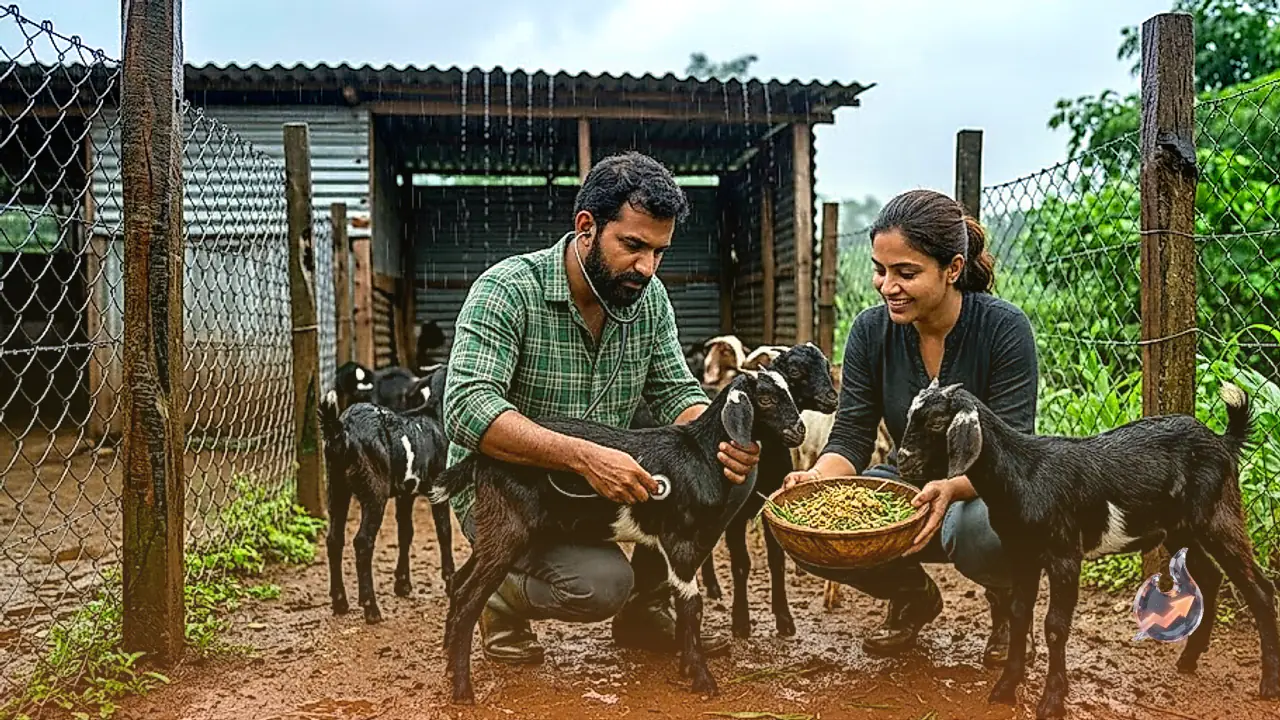
Veterinarian Ajay Raghuvanshi stresses that great care must be taken when selecting fodder during the rainy season. It is essential to thoroughly inspect all forage before feeding it to the animals. If any suspicious or unfamiliar plant growth is detected in the grass, it should be removed immediately. Farmers should strictly avoid letting goats consume wet or soggy grass. As wet fodder is a primary cause of digestive problems and infections, providing clean, dry, and safe fodder is crucial for maintaining herd health.
Hygiene and Environmental Management
The conditions in which goats are housed play a vital role in their well-being. Animals should always be kept in dry, elevated areas to prevent them from staying in standing water or mud, which significantly increases the risk of illness. Additionally, disease management requires proactive measures; if any individual animal shows signs of sickness, it must be promptly isolated from the healthy members of the flock. This simple step is highly effective in preventing the spread of communicable diseases among the livestock.
Vital Vaccinations
To safeguard goats against monsoon-related ailments, timely vaccination is a non-negotiable step. Farmers should ensure their goats receive two critical vaccines, namely the T-to-toxin and PPR vaccines. These can be obtained at your local veterinary clinic. The vaccination process is highly affordable, costing only 100 rupees. By ensuring these preventive measures are taken, farmers can shield their livestock from life-threatening illnesses and significantly improve the overall health outcomes of their herd throughout the rainy season.